
 By Kathryn Roqueeto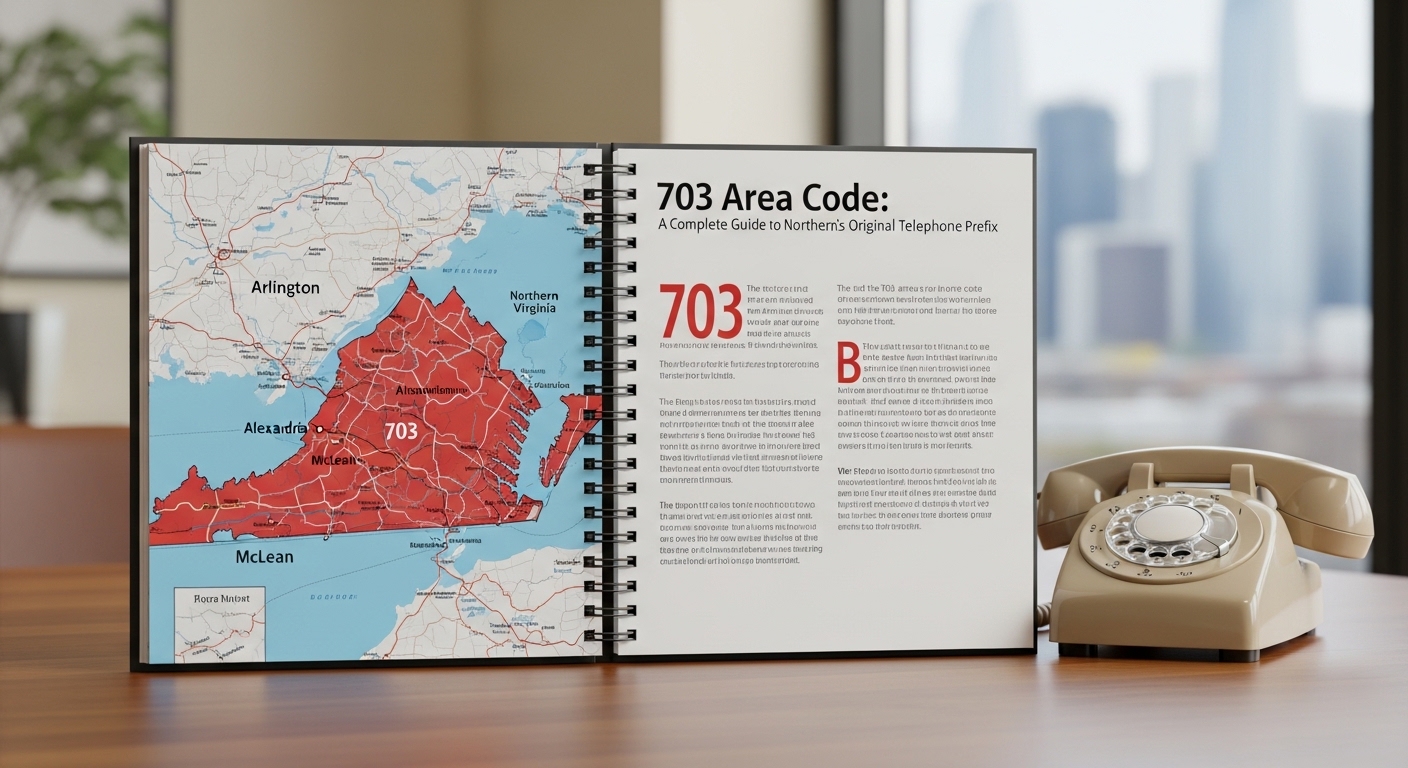
Introduction to Northern Virginia’s Primary Telephone Region
The 703 area code serves Northern Virginia and represents one of the original telephone prefixes established in 1947. This region includes major cities like Alexandria, Arlington, and parts of Fairfax County near Washington DC. Furthermore, understanding this telephone prefix helps residents and businesses navigate communication effectively throughout the region. Moreover, this distinctive identifier connects millions of people across one of America’s most dynamic metropolitan areas.
Historical Background and Original Implementation
Initially, telephone companies created this prefix as part of the North American Numbering Plan’s original rollout. The Bell System designed these numerical identifiers to streamline long-distance calling across the United States systematically. Consequently, Northern Virginia received one of the earliest designations due to its proximity to the nation’s capital. Additionally, the region’s strategic importance influenced telecommunications planning decisions during the post-war expansion period significantly.
Geographic Coverage and Service Areas
Currently, this telephone prefix covers multiple counties and independent cities throughout Northern Virginia’s bustling corridor. Arlington County, Alexandria, and portions of Fairfax County fall within this primary service boundary today. Meanwhile, the coverage extends to smaller communities like Falls Church, Vienna, and McLean seamlessly. Therefore, residents across these diverse areas share this common telecommunications identifier for local communication purposes.
Population Growth and Telephone Number Demand
Northern Virginia experienced tremendous population growth throughout the late twentieth century, creating unprecedented telephone number demands. Consequently, telecommunications providers struggled to meet the increasing need for unique telephone identifiers effectively. Moreover, the technology boom in the 1990s accelerated business formation and residential development dramatically. Subsequently, this explosive growth necessitated additional planning to ensure adequate numbering resources for future expansion.
Introduction of the 571 Overlay System
In 2000, telecommunications regulators introduced the 571 overlay to address the growing shortage of available numbers. This overlay system allowed both prefixes to serve the same geographic region without splitting communities. Furthermore, the overlay approach eliminated the need for existing customers to change their established telephone numbers. Therefore, both identifiers now coexist within the same service area, providing expanded capacity efficiently.
Major Cities and Communities Served
Alexandria stands as one of the most historic cities served by this regional telephone identifier. Arlington County encompasses numerous neighborhoods, government facilities, and commercial districts within its boundaries comprehensively. Additionally, Fairfax County includes suburban communities that have transformed into thriving urban centers over decades. Meanwhile, smaller cities like Falls Church maintain their distinct character while sharing this common telecommunications framework.
Economic Significance and Business Connections
Northern Virginia hosts numerous federal agencies, defense contractors, and technology companies requiring reliable telecommunications infrastructure. Consequently, this telephone prefix has become synonymous with the region’s economic vitality and business environment. Moreover, companies often view this identifier as a mark of legitimacy and regional connection. Therefore, businesses frequently prefer maintaining this prefix to establish credibility with local customers and partners.
The Technology Corridor and Innovation Hub
The Dulles Technology Corridor represents one of America’s premier innovation centers, housing countless technology firms. Subsequently, this region became a focal point for internet infrastructure, cloud computing, and cybersecurity companies. Furthermore, the concentration of talent and resources attracted additional investment and entrepreneurial activity continuously. Meanwhile, telecommunications services evolved to support these sophisticated business requirements and demanding technical specifications.
Residential Communities and Suburban Development
Suburban development transformed Northern Virginia from rural farmland into densely populated residential communities during recent decades. Consequently, housing developments spread across the region, creating diverse neighborhoods with distinct characteristics and amenities. Moreover, excellent schools and proximity to Washington DC attracted families seeking quality living environments. Therefore, the telephone prefix became associated with desirable residential locations and strong community connections.
Government and Military Presence
The Pentagon, numerous defense agencies, and military installations operate throughout this telecommunications service region extensively. Additionally, these government facilities employ hundreds of thousands of workers who require reliable communication systems. Furthermore, the proximity to federal decision-makers makes this region strategically important for national security. Subsequently, telecommunications infrastructure receives significant investment and attention to ensure operational continuity and security.
Dialing Requirements and Ten-Digit Implementation
Currently, callers must dial all ten digits when placing calls within the region, regardless of location. This requirement emerged after the overlay implementation to distinguish between the two coexisting prefixes. Moreover, this system ensures calls route correctly to intended recipients without confusion or misdirection. Therefore, residents and businesses adapted their dialing habits to accommodate this necessary telecommunications protocol change.
Area Code Exhaustion and Future Planning
Telecommunications regulators continuously monitor numbering resources to anticipate future capacity needs and prevent service disruptions. Currently, the two overlays provide sufficient capacity for the region’s communication requirements adequately. However, continued population growth and business expansion may eventually necessitate additional planning and solutions. Meanwhile, regulatory bodies evaluate various options to ensure long-term sustainability of the numbering system.
Impact on Local Identity and Regional Pride
Many residents view this telephone prefix as an integral part of their community identity and connection. Furthermore, the identifier represents membership in a dynamic, prosperous region with national significance and influence. Additionally, businesses leverage this association to build trust and demonstrate their commitment to local communities. Therefore, the prefix transcends its purely functional purpose to become a symbol of regional belonging.
Comparison with Neighboring Telephone Regions
The 202 prefix serves Washington DC, creating a clear distinction between the capital and Virginia suburbs. Meanwhile, Maryland’s suburbs utilize the 301 and 240 prefixes for their respective service areas. Consequently, these different identifiers help define geographic and administrative boundaries across the metropolitan region. Moreover, understanding these distinctions assists newcomers in navigating the complex telecommunications landscape effectively.
Mobile Phones and Number Portability
Modern telecommunications regulations allow customers to retain their telephone numbers when changing service providers or locations. Therefore, someone may keep this prefix even after moving to another state or region entirely. Additionally, mobile phone adoption means many people maintain numbers acquired years ago regardless of current residence. Subsequently, the prefix no longer guarantees that a person currently resides within the original service area.
Scams and Fraudulent Calls
Unfortunately, scammers frequently spoof local prefixes to increase the likelihood that recipients will answer their calls. Consequently, seeing a familiar prefix on caller ID does not guarantee the call originates from nearby. Moreover, residents should exercise caution when receiving unexpected calls requesting personal or financial information immediately. Therefore, verifying caller identity through independent means before sharing sensitive data remains critically important always.
Telecommunications Technology Evolution
The telecommunications industry has evolved dramatically since the original implementation of this numbering system decades ago. Initially, rotary phones and physical switchboards connected calls through manual and mechanical processes exclusively. Subsequently, digital switching, fiber optics, and internet-based telephony transformed how people communicate across distances. Meanwhile, this prefix adapted to serve these new technologies while maintaining its fundamental identifying function.
Business Marketing and Local Branding
Companies often highlight their local prefix in marketing materials to emphasize community connections and accessibility. Furthermore, customers frequently prefer doing business with local providers who understand regional needs and preferences. Additionally, displaying a recognizable prefix can increase response rates and customer trust measurably. Therefore, businesses strategically incorporate this identifier into their branding and customer outreach efforts consistently.
Emergency Services and Public Safety
Emergency responders use telephone number information to determine caller location and dispatch appropriate resources quickly. Consequently, accurate location data associated with telephone numbers becomes critically important during crisis situations. Moreover, the transition to wireless communications created new challenges for emergency service providers and regulators. Therefore, enhanced systems now work to provide precise location information regardless of calling device used.
Cultural Diversity and International Connections
Northern Virginia hosts one of America’s most diverse populations, with residents from countless countries and cultures. Subsequently, this region requires robust international calling capabilities and multilingual telecommunications support services extensively. Furthermore, the diplomatic community and international organizations maintain significant presence throughout the area consistently. Meanwhile, telecommunications providers offer specialized services to meet these unique multicultural communication requirements effectively.
Real Estate and Property Values
Properties located within this service area often command premium prices due to location and amenities. Additionally, proximity to employment centers, quality schools, and transportation infrastructure influences real estate values significantly. Furthermore, the telephone prefix serves as a quick identifier for property location during real estate searches. Therefore, buyers and sellers understand the geographic implications when they encounter this familiar numerical identifier.
Transportation and Commuting Patterns
The region features extensive transportation networks connecting communities to Washington DC and surrounding employment centers. Consequently, many residents commute significant distances daily, creating demand for mobile telecommunications services during travel. Moreover, traffic congestion affects communication patterns as people rely on hands-free calling while driving. Therefore, reliable cellular coverage throughout the transportation corridors remains essential for daily life management.
Education and Academic Institutions
Numerous colleges, universities, and research institutions operate within this telecommunications service area extensively today. Additionally, these academic centers contribute to the region’s intellectual capital and workforce development efforts significantly. Furthermore, students and faculty require sophisticated telecommunications infrastructure to support research and educational activities. Meanwhile, educational institutions have become major telephone number consumers, requiring large blocks of available numbers.
Healthcare Facilities and Medical Services
The region boasts world-class hospitals, medical centers, and healthcare providers serving diverse patient populations comprehensively. Consequently, reliable telecommunications systems support critical medical operations, patient care, and emergency response coordination. Moreover, telemedicine adoption has increased demand for high-quality video and data communications capabilities substantially. Therefore, healthcare organizations invest heavily in telecommunications infrastructure to deliver excellent patient care consistently.
Conclusion: The Enduring Significance of Regional Telecommunications
This Northern Virginia telephone prefix continues serving millions of residents and businesses throughout the dynamic region. Furthermore, it represents more than just a numerical identifier; it symbolizes community, connection, and regional identity. Additionally, as telecommunications technology evolves, this prefix adapts while maintaining its fundamental purpose of connecting people. Therefore, understanding its history, coverage, and significance helps residents and businesses navigate this complex communications landscape. Moreover, the identifier will likely continue serving this vital region for many years ahead. Ultimately, this prefix remains an essential part of Northern Virginia’s infrastructure and daily life consistently.