
 By admin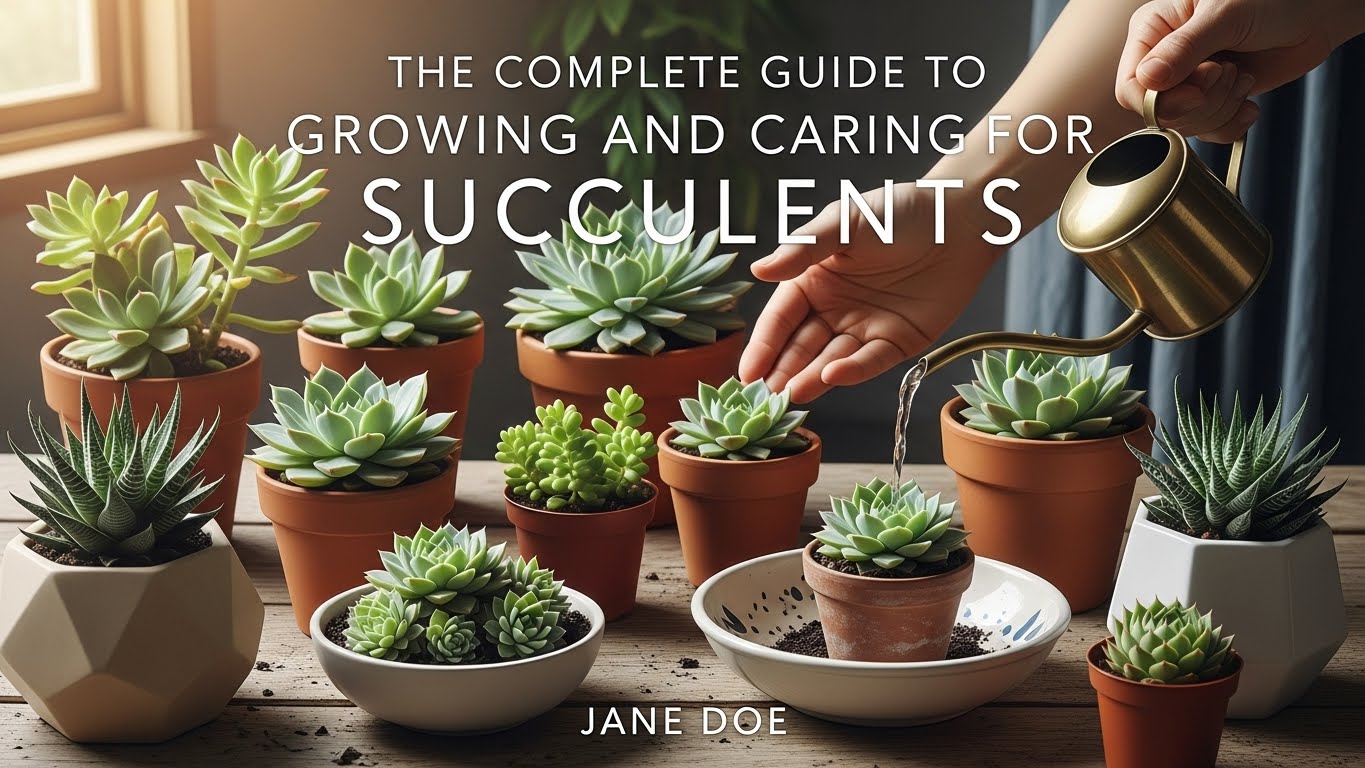
Introduction to These Amazing Plants
Succulent plants have captured the hearts of gardeners worldwide with their stunning shapes and minimal care requirements. Furthermore, these remarkable plants store water in their leaves, making them perfect for busy lifestyles and forgetful waterers. Desert regions originally housed these beauties, but now they thrive in homes across every continent and climate zone. Moreover, their incredible variety offers endless options for collectors who want diversity in their indoor gardens today. Beginning gardeners love them because they forgive mistakes and continue growing despite occasional neglect from their owners.
Understanding Their Unique Characteristics
Water Storage Systems
These plants developed thick, fleshy leaves that act as reservoirs during long periods without rainfall in nature. Additionally, this adaptation allows them to survive conditions that would kill most other houseplants within just days. The waxy coating on their surfaces prevents moisture loss and protects them from intense sunlight exposure daily. Consequently, you’ll notice their leaves feel firm and plump when the plant receives adequate hydration from you. This special feature makes them exceptionally suited for people who travel frequently or forget watering schedules sometimes.
Diverse Shapes and Sizes
From tiny thumb-sized varieties to massive tree-like specimens, the diversity within this plant family astounds everyone. Meanwhile, some species produce rosette patterns that resemble perfect geometric flowers carved from living jade stone. Others grow in trailing cascades perfect for hanging baskets that create stunning vertical gardens in small spaces. Similarly, columnar types reach skyward like miniature desert cacti, adding dramatic height to any plant collection today. This variety ensures every gardener finds options that match their aesthetic preferences and available growing space perfectly.
Popular Varieties Worth Growing
Echeveria Species
Echeveria plants form gorgeous rosettes with powdery blue, purple, or pink leaves that look almost artificial. However, these Mexican natives remain surprisingly easy to grow despite their exotic appearance that impresses all visitors. They produce tall flower stalks in spring with bell-shaped blooms that attract hummingbirds to outdoor gardens naturally. Moreover, they propagate easily from leaf cuttings, allowing you to expand your collection without spending more money. Many collectors focus exclusively on this genus because hundreds of cultivars offer endless collecting possibilities forever.
Jade Plants
The classic jade plant grows into a small tree over time, developing a thick trunk. Therefore, many people pass down mature specimens through generations as living family heirlooms with sentimental value. Their glossy green leaves bring good fortune according to feng shui practitioners who place them strategically. Additionally, these plants tolerate lower light conditions better than most other varieties available in nurseries today. With proper care, they live for decades and eventually produce clusters of delicate white flowers annually.
Aloe Vera
Beyond ornamental value, aloe vera provides medicinal gel that soothes burns and promotes skin healing naturally. Furthermore, this practical plant grows quickly and produces numerous offsets that you can separate and share freely. The thick, spiky leaves contain clear gel that ancient civilizations used for thousands of years medicinally. Consequently, keeping one in your kitchen provides both beauty and a natural first aid remedy always. This dual-purpose plant deserves a place in every home for its usefulness and attractive appearance.
Essential Care Requirements
Lighting Needs
Bright, indirect light keeps these plants compact and maintains their vibrant colors throughout the entire year. Nevertheless, direct afternoon sun can scorch leaves, especially when plants sit behind glass windows that magnify intensity. Rotate containers regularly so all sides receive equal light exposure and prevent lopsided, stretched growth patterns. In addition, inadequate light causes etiolation, where plants stretch awkwardly toward windows seeking more illumination desperately. South-facing windows typically provide ideal conditions for most varieties during winter months when daylight decreases significantly.
Proper Watering Techniques
The golden rule states that underwatering beats overwatering every single time when caring for these plants. Subsequently, water deeply but infrequently, allowing soil to dry completely between thorough soakings for optimal health. During summer growth periods, weekly watering usually suffices, though you should always check soil moisture first. Conversely, winter dormancy requires much less water, sometimes only once monthly depending on indoor humidity levels. Wrinkled leaves signal thirst, while mushy, translucent foliage indicates deadly overwatering that causes root rot quickly.
Temperature Preferences
Most varieties prefer temperatures between sixty and eighty degrees Fahrenheit for optimal growth and flower production. Nonetheless, they tolerate brief cold snaps down to forty degrees without sustaining permanent damage to tissues. Protect plants from freezing temperatures that turn their water-filled cells into damaging ice crystals instantly. Similarly, excessive heat above ninety-five degrees slows growth and may cause sunburn on unacclimatized specimens suddenly. Indoor environments typically maintain perfect temperature ranges year-round, making these plants ideal houseplant choices always.
Soil and Container Selection
Best Soil Mixtures
Well-draining soil prevents the root rot that kills more of these plants than any other problem. Therefore, commercial cactus mixes work perfectly, or you can create custom blends using regular potting soil. Add coarse sand, perlite, or pumice to increase drainage and prevent water from pooling around roots. In fact, aim for soil that dries within three to five days after watering for ideal conditions. Heavy, moisture-retentive soils spell disaster because roots suffocate in soggy conditions that encourage fungal growth rapidly.
Choosing Containers
Terracotta pots offer excellent breathability that helps prevent overwatering by wicking moisture through their porous walls. However, plastic containers work fine if you exercise careful watering discipline and select ones with drainage holes. Ensure containers have adequate drainage holes because standing water in saucers invites root rot and diseases. Additionally, shallow, wide pots suit these plants better than deep containers because their root systems spread. Decorative containers without drainage require extra caution, or you should use them as cachepots only.
Propagation Methods
Leaf Cuttings
Many species propagate easily from individual leaves that you gently twist from the mother plant completely. Subsequently, let the cutting callus for several days before placing it on dry soil to develop roots. Within weeks, tiny plantlets emerge from the leaf base, creating perfect clones of the parent specimen. This method allows you to multiply your collection rapidly without purchasing additional plants from expensive nurseries. Furthermore, propagation makes excellent gifts for friends who admire your thriving collection at home regularly.
Stem Cuttings
Beheading leggy plants provides stem cuttings while simultaneously encouraging the parent plant to produce new offsets. Likewise, allow cut stems to dry for three to seven days before inserting them into soil. This callusing period prevents rot by sealing the wound before roots begin developing from the base. Most cuttings root within three weeks, establishing independent plants that grow vigorously once established fully. This technique revitalizes stretched plants while creating new specimens you can keep or share with others.
Division and Offsets
Mature plants naturally produce baby offsets called pups that grow around the base of the mother. Meanwhile, these babies can remain attached or be separated once they reach one-third the parent’s size. Gently remove offsets with some roots attached, then plant them in their own containers immediately. This method provides the fastest way to obtain substantial new plants without waiting for propagation. In addition, removing offsets keeps the mother plant neat and prevents overcrowding that affects overall health.
Common Problems and Solutions
Overwatering Issues
Mushy, translucent leaves indicate overwatering, which remains the number one killer of these otherwise hardy plants. Moreover, affected plants develop root rot that spreads quickly and often proves fatal without immediate intervention. Remove plants from wet soil, trim away rotted roots with sterile scissors, and repot in fresh. Allow several days for wounds to callus before watering again to prevent further infection spreading. Prevention through proper watering practices beats attempting to save already damaged plants every single time.
Pest Infestations
Mealybugs appear as white, cottony masses in leaf crevices and along stems where they suck sap. Similarly, spider mites create fine webbing and cause stippled, pale leaves that eventually drop off entirely. Treat infestations with isopropyl alcohol applied directly to pests using cotton swabs for immediate control. Alternatively, insecticidal soap sprays work well for larger infestations covering multiple plants in your entire collection. Isolate affected plants immediately to prevent pests from spreading to your other healthy specimens nearby.
Stretching and Etiolation
Plants stretch toward light sources when conditions provide insufficient illumination for their specific needs and preferences. Consequently, they develop long spaces between leaves and lose their compact, attractive form that originally attracted you. Move affected plants closer to bright windows or supplement with grow lights for better results. Unfortunately, stretched growth cannot reverse itself, but you can behead plants and propagate the tops. The remaining stump often produces new compact growth when provided with adequate lighting moving forward consistently.
Seasonal Care Adjustments
Summer Growing Season
Active growth occurs during warmer months when these plants appreciate more frequent watering and occasional fertilization. Therefore, water weekly and feed monthly with diluted fertilizer at half the recommended strength for houseplants. Outdoor placement benefits many varieties, but gradually acclimate them to prevent sunburn on tender, indoor-grown foliage. Additionally, this season provides the perfect time for propagation since cuttings root quickly in warm conditions. Monitor for pests more carefully because outdoor exposure increases the risk of infestations from garden insects.
Winter Dormancy
Cooler temperatures and shorter days trigger dormancy in many species that naturally rest during winter months. Accordingly, reduce watering frequency to once monthly or less depending on your specific home’s humidity level. Stop fertilizing completely because plants cannot utilize nutrients during their rest period and salts accumulate. Furthermore, avoid repotting during dormancy since disturbing roots when plants aren’t actively growing causes unnecessary stress. Use this quiet period for planning spring projects and researching new varieties to add next season.
Creative Display Ideas
Container Gardens
Combine multiple varieties in shallow bowls for stunning miniature desert landscapes that captivate everyone who visits. Likewise, arrange plants by height, texture, and color for visually appealing compositions that rival professional designs. Use decorative rocks, driftwood, or small figurines to create themed displays that reflect your personality. These arrangements make wonderful gifts for housewarmings, birthdays, or any occasion requiring something special and unique. Moreover, container gardens allow experimentation with different combinations until you discover your perfect aesthetic preference.
Vertical Gardens
Wall-mounted frames or hanging planters showcase trailing varieties that cascade beautifully in vertical arrangements dramatically. Subsequently, these space-saving solutions work perfectly for small apartments where floor space remains limited but walls. Living walls create stunning focal points that bring nature indoors while purifying air naturally throughout rooms. Additionally, vertical displays make plant care easier by bringing specimens to eye level for monitoring. This modern approach to gardening suits contemporary decor while maximizing your growing area without cluttering surfaces.
Terrariums
Open terrariums provide excellent homes for these plants because they offer the drainage and airflow necessary. However, avoid closed terrariums that trap moisture and create humid environments these desert plants absolutely detest. Layer rocks, charcoal, and gritty soil for proper drainage that prevents water from pooling at container bottoms. These miniature ecosystems make fascinating projects that combine artistry with horticultural skill in creative ways. Furthermore, geometric glass containers add modern elegance to any decor style while showcasing your plants beautifully.
Conclusion
Growing these remarkable plants brings joy and beauty into homes while requiring minimal effort from busy gardeners. Their resilience and diversity make them perfect for beginners who want gardening success without complicated requirements. With proper care including adequate light, infrequent watering, and well-draining soil, they thrive for years. Start your collection today and discover why millions of enthusiasts worldwide have fallen in love completely. These amazing plants reward patience with stunning growth, occasional flowers, and endless propagation possibilities that continue forever.