
 By admin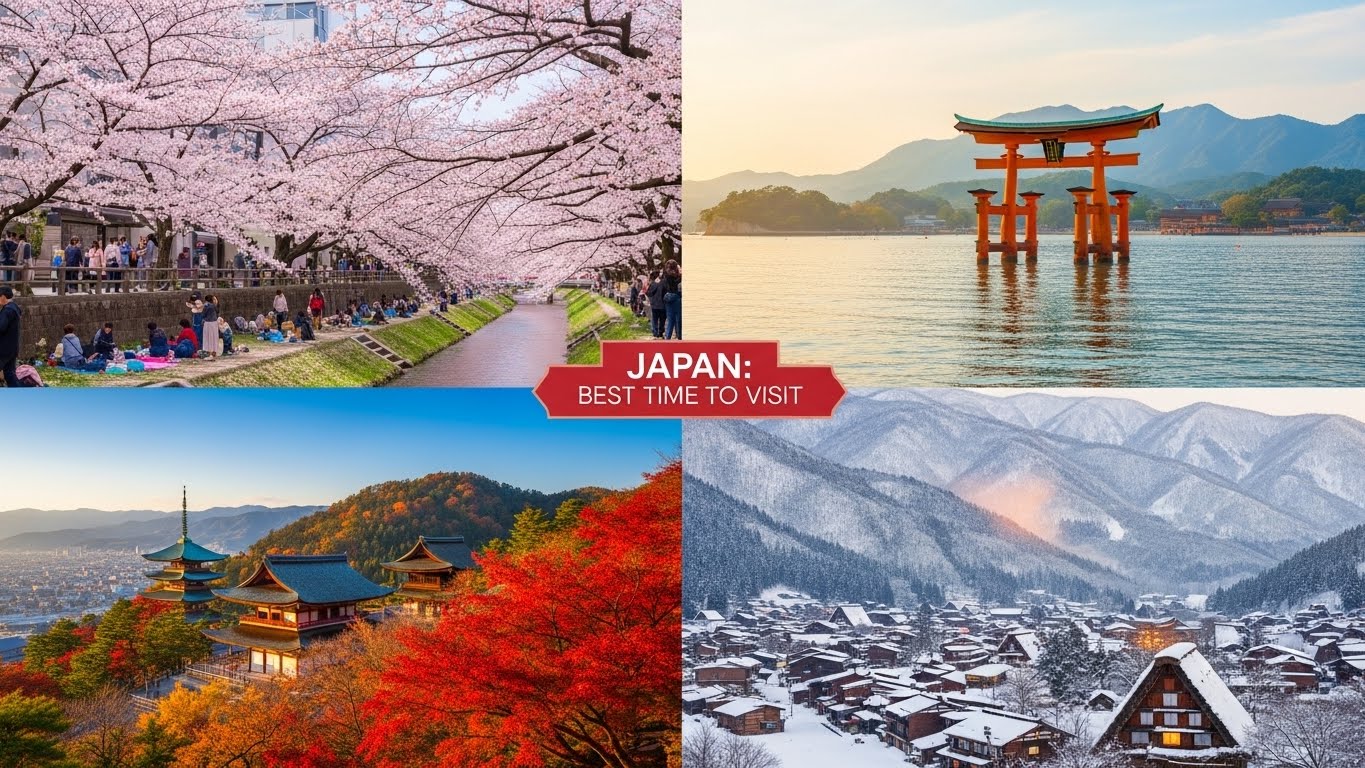
Planning Your Perfect Japanese Adventure
Travelers often wonder about the best time to visit Japan when planning their dream adventure to this fascinating island nation. The answer depends entirely on your preferences regarding weather, crowds, festivals, and natural beauty throughout different seasons. Furthermore, Japan offers unique experiences during every season, from delicate spring blossoms to vibrant autumn leaves and winter wonderlands. Understanding seasonal variations helps travelers make informed decisions that align perfectly with their interests, budget, and travel expectations.
Spring Season: Cherry Blossoms and Mild Weather
March Through May Beauty
Spring brings spectacular cherry blossoms that transform Japan into a pink paradise, attracting millions of visitors annually worldwide. The sakura season typically begins in late March and progresses northward through early May across the archipelago. Additionally, mild temperatures ranging from 50 to 70 degrees Fahrenheit create comfortable conditions for extensive outdoor exploration and sightseeing. However, this popularity means larger crowds and higher prices at hotels, restaurants, and popular tourist attractions throughout the country.
Peak Bloom Timing Varies
Cherry blossom forecasts emerge each year around February, helping travelers plan their trips to coincide with peak bloom periods. Tokyo and Kyoto usually experience peak blooms in late March or early April, while northern regions bloom later. Moreover, the fleeting nature of sakura means blossoms last only one to two weeks before petals fall gracefully. Consequently, travelers must remain flexible with dates or risk missing the spectacular displays that define Japanese spring entirely.
Spring Festivals and Celebrations
Beyond cherry blossoms, spring hosts numerous traditional festivals called matsuri that showcase Japanese culture, history, and community spirit. The Takayama Festival in April features elaborate floats, traditional costumes, and vibrant processions through historic streets of this mountain town. Furthermore, Golden Week in late April brings multiple national holidays, creating extended vacation periods for Japanese families nationwide. Tourists should note that Golden Week increases domestic travel significantly, making reservations essential for accommodations and transportation services.
Summer Season: Festivals and Mountain Escapes
June Through August Characteristics
Summer delivers warm to hot temperatures with high humidity levels, particularly in cities like Tokyo, Osaka, and Kyoto. Nevertheless, this season offers incredible festival opportunities including spectacular fireworks displays that light up night skies across Japan. Additionally, mountain regions and northern areas like Hokkaido provide refreshing escapes from intense heat and humidity in urban centers. Travelers seeking outdoor adventures find excellent hiking conditions in alpine areas during these warmer months throughout the country.
Rainy Season Considerations
The tsuyu rainy season typically affects most of Japan from early June through mid-July, bringing frequent showers. However, Hokkaido largely escapes this wet period, making it an attractive destination for travelers seeking sunshine during June. Moreover, rain brings lush greenery that creates beautiful landscapes perfect for photography and nature appreciation throughout the countryside. Smart travelers pack appropriate rain gear and plan indoor activities like museums, temples, and shopping during wet periods.
Summer Festival Magic
Japanese summer festivals create unforgettable experiences with traditional dances, street food, fireworks, and cultural performances under warm evening skies. The Gion Matsuri in Kyoto during July ranks among Japan’s most famous festivals, featuring massive floats and traditional ceremonies. Furthermore, local neighborhoods host smaller festivals where visitors experience authentic community celebrations away from major tourist crowds and attractions. Wearing yukata summer kimonos adds to the festive atmosphere while providing comfortable traditional attire for warm weather conditions.
Autumn Season: Colorful Foliage and Pleasant Temperatures
September Through November Appeal
Autumn rivals spring as the most desirable time for visiting Japan, offering stunning fall foliage and comfortable temperatures. The koyo season begins in northern regions during September and gradually moves southward through November across the country. Additionally, pleasant weather conditions with lower humidity make extensive sightseeing, hiking, and outdoor activities particularly enjoyable during these months. Consequently, autumn attracts significant tourist numbers, though typically fewer visitors than the famous spring cherry blossom season brings.
Fall Color Peak Timing
Maple trees, ginkgo trees, and various deciduous species create spectacular displays of red, orange, and golden yellow hues. Mountainous regions and temples with gardens become prime viewing locations, attracting photographers and nature enthusiasts seeking perfect autumn shots. Moreover, weather remains mild and stable, providing reliable conditions for planning outdoor excursions and day trips throughout this season. Travelers should monitor autumn foliage forecasts that track color progression from north to south across Japanese regions systematically.
Harvest Festivals and Local Cuisine
Autumn brings harvest celebrations showcasing seasonal foods including mushrooms, chestnuts, sweet potatoes, and freshly harvested rice from paddies. Furthermore, sake breweries begin new production cycles, offering special tastings and brewery tours for interested visitors throughout the season. Traditional autumn festivals celebrate agricultural bounty with community gatherings, traditional performances, and regional specialties representing local culinary heritage. Food enthusiasts particularly appreciate this season when restaurants feature seasonal menus highlighting the freshest regional ingredients available.
Winter Season: Snow Sports and Fewer Crowds
December Through February Features
Winter transforms Japan into a wonderland, particularly in regions receiving substantial snowfall like Hokkaido and the Japanese Alps. Ski resorts across the country offer world-class powder snow that attracts winter sports enthusiasts from around the globe. Additionally, winter brings significantly fewer tourists compared to spring and autumn, creating peaceful temple visits and uncrowded attractions. However, travelers must prepare for cold temperatures, particularly in northern regions where conditions reach well below freezing regularly.
Winter Illuminations and Hot Springs
Cities throughout Japan host spectacular winter illumination displays that transform streets, parks, and shopping districts into magical wonderlands. Tokyo, Osaka, and other major cities compete with elaborate light installations that dazzle visitors throughout the cold months. Moreover, soaking in outdoor hot springs called onsen becomes especially enjoyable when surrounded by snowy landscapes and mountains. This quintessentially Japanese experience combines relaxation, natural beauty, and traditional culture in one memorable activity during winter visits.
New Year Celebrations
New Year represents Japan’s most important holiday, when many businesses close and families gather for traditional celebrations nationwide. Temples and shrines welcome millions of visitors for hatsumode, the first shrine visit of the new year. Furthermore, traditional foods, decorations, and customs create unique cultural experiences for travelers fortunate enough to witness this special time. However, many restaurants, shops, and attractions close from December 31 through January 3, requiring advance planning and preparation.
Regional Variations Across the Archipelago
Hokkaido’s Distinct Climate
Japan’s northernmost island experiences significantly different weather patterns compared to regions further south across the archipelago. Hokkaido offers cool, pleasant summers that attract visitors escaping heat and humidity in central and southern Japanese cities. Additionally, winter brings world-renowned powder snow that makes Niseko and other ski resorts internationally famous among skiing enthusiasts. The Sapporo Snow Festival in February showcases massive ice sculptures, attracting visitors despite brutally cold temperatures during this period.
Okinawa’s Subtropical Paradise
Okinawa’s subtropical climate allows for comfortable beach visits from April through October, much longer than mainland Japan offers. Winter temperatures rarely drop below 60 degrees Fahrenheit, making these southern islands attractive for travelers seeking warmth during cold months. However, summer brings typhoon risk and intense heat that can limit outdoor activities and beach enjoyment for sensitive travelers. Consequently, spring and autumn provide ideal conditions for exploring Okinawa’s beautiful beaches, coral reefs, and unique Ryukyuan culture extensively.
Budget Considerations for Different Seasons
Peak Season Premium Pricing
Spring cherry blossom season and autumn foliage periods command premium prices for flights, accommodations, and popular tourist experiences nationwide. Hotels in major cities like Tokyo and Kyoto often require bookings months in advance during these popular travel windows. Furthermore, restaurants, transportation services, and tour operators raise prices to match increased demand from international and domestic travelers alike. Budget-conscious travelers should expect to pay 30 to 50 percent more during peak seasons compared to off-peak periods.
Shoulder Season Value
Late May, June, and late November through early December offer excellent value with moderate weather and significantly smaller crowds. These periods provide opportunities to experience Japan’s attractions without fighting masses of tourists or paying inflated seasonal prices everywhere. Moreover, shoulder seasons still offer pleasant weather conditions suitable for most outdoor activities and extensive sightseeing throughout the country. Smart travelers find exceptional deals on accommodations, particularly in business hotels that cater primarily to domestic business travel during weekdays.
Conclusion
Choosing when to travel depends on personal priorities regarding weather preferences, desired activities, budget constraints, and crowd tolerance levels. Spring and autumn offer spectacular natural beauty but bring larger crowds and higher costs that affect overall travel experiences. Conversely, summer and winter provide unique seasonal activities, cultural festivals, and better value despite less ideal weather conditions. Therefore, understanding seasonal characteristics helps travelers select the perfect timing that aligns with their individual interests and expectations completely.