
 By admin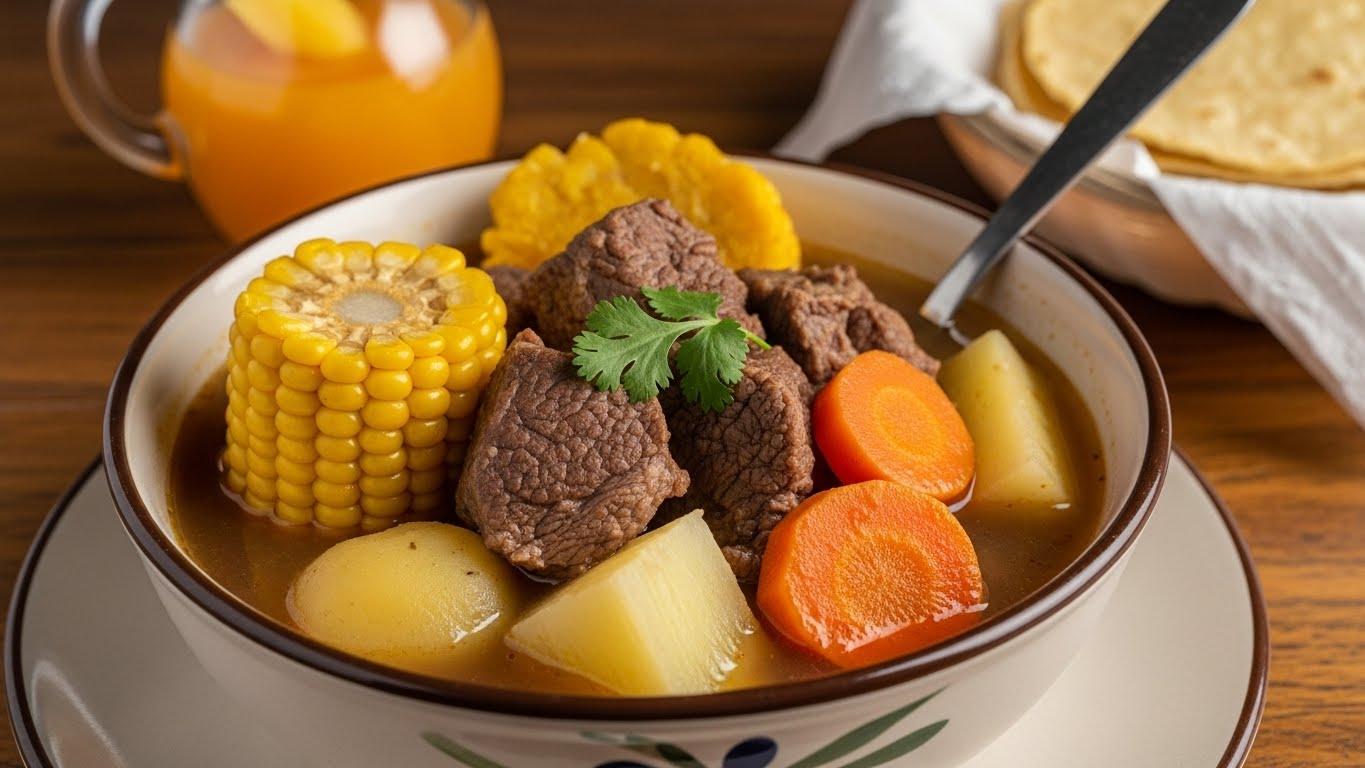
Introduction to Costa Rica’s Signature Dish
Costa Rican families have cherished this hearty beef stew for generations, making it a cornerstone of their culinary heritage. Moreover, Olla de Carne represents comfort food at its finest with tender meat and vibrant vegetables swimming in savory broth. This traditional dish brings families together around the table, especially during cool evenings and special Sunday gatherings throughout the year. Furthermore, home cooks across Costa Rica prepare their own versions, each adding personal touches that reflect regional traditions and preferences.
The Rich History Behind This Traditional Stew
Spanish colonizers brought their cooking methods to Central America, where they merged beautifully with indigenous ingredients and culinary techniques. Consequently, this fusion created something entirely unique that Costa Ricans now consider their national treasure and source of pride. The dish evolved over centuries as families passed down recipes through generations, preserving cultural identity and traditional values. Additionally, economic factors influenced ingredient choices, making this meal both affordable and nutritious for families of all backgrounds.
Cultural Significance in Costa Rican Homes
Families gather every Sunday to enjoy large pots of this warming stew, creating memories that last a lifetime. Indeed, grandmothers teach their grandchildren the art of selecting the perfect meat cuts and preparing vegetables with care. This cooking tradition strengthens family bonds while keeping cultural heritage alive for future generations to appreciate and continue. Meanwhile, the aroma of simmering broth fills homes with warmth, signaling that something special awaits at the dinner table.
Essential Ingredients for Authentic Flavor
The foundation starts with quality beef, typically chuck roast or short ribs that become incredibly tender during slow cooking. Similarly, Costa Rican cooks select an impressive variety of root vegetables that add substance, nutrition, and distinctive flavors. Fresh yucca, plantains, sweet potatoes, and chayote create a rainbow of colors and textures in every spoonful served. Therefore, selecting fresh, high-quality ingredients makes all the difference between an ordinary meal and an extraordinary culinary experience.
Selecting the Perfect Meat Cut
Beef chuck roast contains enough marbling to stay moist and flavorful throughout the extended cooking process required for tenderness. Alternatively, short ribs provide rich, beefy flavor and fall-off-the-bone texture that diners absolutely love and request repeatedly. Some cooks prefer bone-in cuts because bones release collagen and minerals, enriching the broth with deeper flavor profiles. Meanwhile, others choose boneless options for easier serving and eating, particularly when feeding young children or elderly family members.
Vegetables That Define the Dish
Yucca brings starchy goodness and a slightly sweet flavor that complements the savory beef broth wonderfully and satisfyingly. Green plantains add a unique taste and texture that you cannot replicate with any other ingredient available today. Additionally, chayote squash provides a mild, crisp element that absorbs the surrounding flavors while maintaining its distinctive character. Furthermore, corn on the cob cut into thick rounds adds sweetness and visual appeal that makes every bowl inviting.
Carrots and potatoes round out the vegetable selection, contributing familiar flavors and additional heartiness to this already substantial meal. Consequently, each vegetable plays a specific role in creating the complex flavor profile that makes this dish special. Fresh cilantro and culantro add aromatic notes that brighten the entire pot with their distinctive herbal characteristics and freshness.
Traditional Cooking Methods and Techniques
Costa Rican cooks begin by browning beef chunks in a large, heavy pot until they develop a deep caramel color. Subsequently, they add onions, garlic, and bell peppers, allowing these aromatics to soften and release their essential oils completely. Water or beef stock joins the pot next, covering the meat completely before the long simmering process begins properly. Indeed, patience proves essential because rushing this step results in tough meat and underdeveloped flavors that disappoint diners.
The Art of Slow Simmering
Low heat transforms tough meat into tender, succulent pieces that practically melt in your mouth with minimal chewing required. Moreover, slow cooking allows flavors to meld together beautifully, creating a harmonious broth that tastes greater than individual ingredients. Experienced cooks check the pot regularly, skimming off any foam that rises to the surface for clearer broth. Meanwhile, they adjust seasoning gradually throughout the process, building layers of flavor rather than adding everything at once.
Adding Vegetables at the Right Time
Timing matters tremendously when adding vegetables because different types require varying cooking durations to reach perfect tenderness levels. First, cooks add harder vegetables like yucca and plantains, which need more time to soften without falling apart. Subsequently, they introduce potatoes, carrots, and corn, which cook faster but still need adequate time to absorb flavors. Finally, delicate vegetables like chayote go in last, ensuring they maintain their texture and do not become mushy.
Modern Variations and Personal Touches
Contemporary cooks experiment with different spice combinations, sometimes adding cumin or paprika for additional warmth and depth of flavor. Furthermore, some families include pumpkin or butternut squash, which adds natural sweetness and a velvety texture to broth. Vegetarian versions replace beef with hearty mushrooms and extra beans, creating satisfying meals that honor the original spirit. Additionally, pressure cookers and slow cookers offer convenient alternatives to traditional stovetop methods for busy modern families today.
Regional Differences Across Costa Rica
Coastal regions often incorporate coconut milk, lending a subtle tropical sweetness that pairs beautifully with traditional savory elements. Meanwhile, highland communities might add more potatoes and less yucca, reflecting agricultural products readily available in their areas. These regional variations demonstrate how one dish adapts to local ingredients while maintaining its essential character and identity. Nevertheless, all versions share the same goal of creating a nourishing, delicious meal that brings people together lovingly.
Serving Suggestions and Traditional Accompaniments
Costa Ricans typically serve this hearty stew in large, deep bowls that can hold generous portions of everything. Moreover, white rice almost always accompanies the meal, providing a neutral base that soaks up the flavorful broth perfectly. Fresh lime wedges sit on the table, allowing diners to add bright citrus notes according to their preferences. Additionally, hot sauce and pickled vegetables offer optional toppings for those who enjoy extra heat and tanginess.
Perfect Side Dishes and Beverages
Freshly made corn tortillas provide an excellent vehicle for soaking up every last drop of delicious broth remaining. Furthermore, a simple cabbage slaw with lime dressing adds refreshing crunch that contrasts beautifully with the stew’s richness. Cold beer or fresh fruit juice makes an ideal beverage choice, depending on personal preferences and the occasion. Meanwhile, avocado slices add creamy richness and healthy fats that enhance the meal’s nutritional value significantly.
Nutritional Benefits and Health Considerations
This traditional meal provides an excellent source of protein, complex carbohydrates, and essential vitamins from diverse vegetable ingredients. Consequently, families enjoy a balanced, nutritious meal that fuels their bodies and satisfies their hunger for hours afterward. The variety of vegetables ensures diners receive multiple nutrients, including fiber, potassium, and vitamins A and C. However, those watching sodium intake should monitor salt additions carefully and adjust seasonings according to dietary requirements.
Making Healthier Versions Without Sacrificing Flavor
Cooks can select leaner beef cuts and trim visible fat, reducing overall calorie content while maintaining protein levels. Additionally, increasing vegetable quantities and decreasing meat portions creates a lighter version that remains filling and satisfying overall. Using homemade stock instead of store-bought versions eliminates unnecessary sodium and artificial additives that compromise nutritional value. Furthermore, adding extra herbs and spices compensates for reduced salt, ensuring the dish remains flavorful and appealing.
Tips for Perfect Results Every Time
Always choose fresh ingredients whenever possible because quality directly impacts the final dish’s taste and overall appeal significantly. Moreover, resist the temptation to rush the cooking process, as slow simmering develops the complex flavors this dish deserves. Taste and adjust seasonings throughout cooking rather than waiting until the end when corrections become more difficult. Additionally, allow the finished product to rest briefly before serving, letting flavors settle and meld even further together.
Common Mistakes to Avoid
Overcrowding the pot prevents proper browning and can result in steamed rather than caramelized meat that lacks depth. Similarly, adding all vegetables simultaneously leads to some pieces becoming mushy while others remain undercooked and unpleasantly hard. Cutting vegetables into dramatically different sizes creates uneven cooking, with some pieces disintegrating while others stay too firm. Therefore, maintaining consistent sizes ensures everything finishes cooking at the same time with ideal textures throughout.
Storing and Reheating Leftovers
This stew actually tastes even better the next day after flavors have had additional time to develop and intensify. Consequently, many families intentionally make large batches, knowing they will enjoy delicious meals throughout the upcoming week ahead. Store cooled stew in airtight containers in the refrigerator, where it will keep safely for three to four days. Alternatively, freeze portions in individual containers for convenient future meals that taste freshly made when properly reheated and served.
Best Reheating Methods
Stovetop reheating works best because it allows you to monitor temperature and stir occasionally, ensuring even heating throughout. Moreover, add a splash of water or stock if the stew has thickened too much during storage time. Microwave reheating offers convenience but requires stirring halfway through to prevent hot spots and ensure consistent temperature distribution. Meanwhile, avoid reheating multiple times, as this degrades vegetable texture and can compromise food safety over time.
Cooking This Dish for Special Occasions
Many Costa Rican families prepare extra-large batches for holidays, celebrations, and family gatherings throughout the festive calendar year. Indeed, the generous portions demonstrate hospitality and ensure no guest leaves hungry or unsatisfied with their dining experience. Special occasions might include premium meat cuts or additional vegetables, elevating the everyday version to something truly extraordinary. Furthermore, serving this traditional meal connects younger generations to their cultural roots and family heritage in meaningful ways.
Conclusion: A Dish Worth Celebrating
This beloved stew represents more than just food; it embodies Costa Rican culture, family values, and culinary traditions passed down. Moreover, its simplicity allows home cooks of all skill levels to create delicious, satisfying meals for their loved ones. The combination of tender meat, vibrant vegetables, and rich broth creates comfort in every spoonful served at tables. Therefore, whether you have Costa Rican heritage or simply love exploring international cuisines, this dish deserves a place in your cooking repertoire. Try preparing it this weekend and experience the warmth and satisfaction that generations of families have cherished together.