
 By admin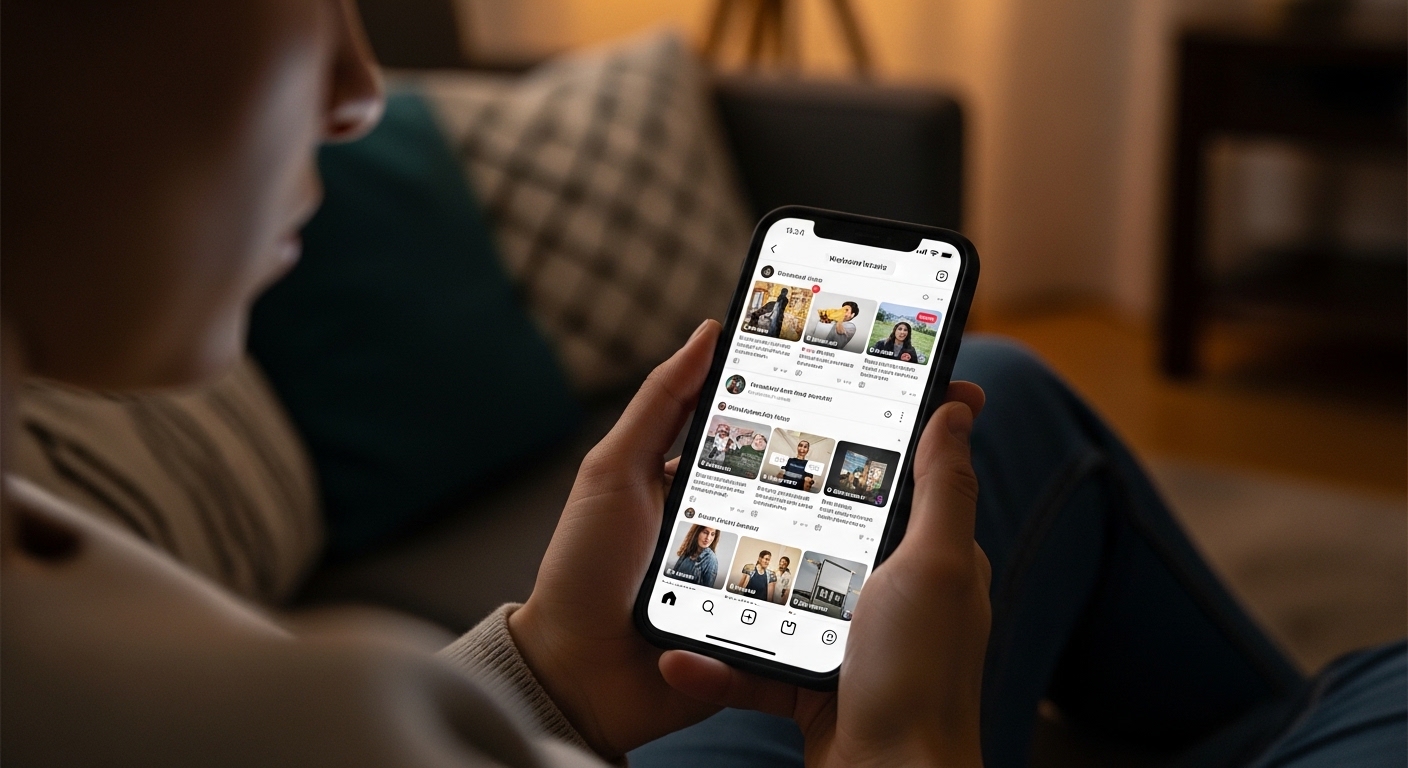
What Defines a Silent Scroller?
The Silent Scroller represents millions of social media users who consume content daily without leaving any trace of their presence. Therefore, these individuals browse through posts, watch videos, and read updates while never commenting, liking, or sharing anything publicly. Moreover, this behavior pattern has become increasingly common across all major platforms including Instagram, Facebook, Twitter, and TikTok. Consequently, content creators struggle to understand their true audience size because engagement metrics don’t reflect actual viewership or consumption rates.
The Psychology Behind Passive Consumption
Furthermore, multiple psychological factors drive people to adopt this non-participatory approach when browsing through their social media feeds regularly. Many users feel anxious about posting comments because they fear judgment from friends, family members, or complete strangers online. Additionally, some people prefer observing conversations rather than actively participating in discussions that might expose their opinions to public scrutiny. Indeed, this protective behavior helps individuals avoid potential conflicts, misunderstandings, or negative interactions that sometimes occur in digital spaces.
Social Anxiety in Digital Spaces
Similarly, many users experience performance anxiety when considering whether to engage publicly with content they encounter on various platforms. They worry about crafting the perfect comment, choosing appropriate emojis, or saying something that others might perceive as foolish. Meanwhile, the permanence of digital footprints makes people hesitant to contribute thoughts that could resurface years later in unexpected contexts. Thus, remaining invisible feels safer than risking embarrassment or creating a digital record that might cause future complications or regrets.
Fear of Algorithmic Consequences
Likewise, some users avoid engagement because they understand how platform algorithms track behavior and curate future content based on interactions. Every like, comment, or share signals preferences to algorithms that then flood feeds with similar content indefinitely afterward. As a result, people carefully guard their engagement to prevent platforms from making incorrect assumptions about their interests or values. Subsequently, they consume content silently to maintain control over their digital experience without triggering unwanted algorithmic responses or recommendations.
Impact on Content Creators
Naturally, creators face significant challenges when trying to build communities and measure success without visible engagement from their audiences. Low interaction rates can feel discouraging even when view counts indicate that thousands of people consume their content regularly. Moreover, creators often question the quality of their work when engagement remains minimal despite consistent effort and creative output. Therefore, many talented individuals abandon content creation because they cannot see tangible evidence of their impact on audience members.
Metrics Don’t Tell the Full Story
Specifically, engagement statistics provide incomplete pictures of content performance because they exclude all the people who watch without interacting. A video might receive 10,000 views but only 50 likes, creating the false impression that viewers didn’t enjoy it. However, countless viewers might have loved the content but simply chose not to engage publicly for various personal reasons. Consequently, creators must develop resilience and trust that their work reaches and resonates with people beyond what metrics reveal.
Why People Choose Silent Consumption
Essentially, numerous practical and emotional reasons explain why individuals prefer consuming content without leaving visible traces of their activity. Some people lack time to craft thoughtful responses, so they quickly scroll through content during brief breaks throughout the day. Additionally, others feel that their contributions won’t add value to existing conversations that already contain hundreds or thousands of comments. Indeed, the sheer volume of content available today makes selective engagement necessary for most users managing limited time and energy.
Privacy Concerns Drive Behavior
Particularly, privacy-conscious users avoid engagement to minimize their digital footprint and reduce the amount of personal data platforms collect. Every interaction provides platforms with valuable information about preferences, habits, and interests that companies use for targeted advertising purposes. Meanwhile, users increasingly understand that their online behavior generates detailed profiles that third parties buy, sell, and analyze extensively. Thus, limiting engagement serves as a privacy protection strategy that reduces exposure to data harvesting and commercial surveillance practices.
Time Management Considerations
Conversely, busy professionals and parents often consume content during stolen moments when they cannot dedicate time to meaningful engagement. They scroll through feeds while waiting in lines, commuting on public transportation, or taking quick breaks between responsibilities. Moreover, typing comments on mobile devices requires more effort than simply viewing content, especially when autocorrect creates frustrating mistakes. Ultimately, silent consumption allows people to stay informed and entertained without the time commitment that active participation demands.
Cultural Differences in Engagement Patterns
Notably, engagement behaviors vary significantly across different cultures, age groups, and geographic regions based on social norms and expectations. Some cultures emphasize collective harmony and discourage public disagreement, which leads to lower comment rates on controversial topics. Meanwhile, younger generations who grew up with social media often engage more freely than older adults who approach platforms cautiously. Furthermore, platform popularity differs globally, with certain regions favoring specific networks that encourage different types of user interactions.
The Business Implications
Undoubtedly, brands and marketers must reconsider their success metrics when they recognize that engagement rates don’t reflect true audience reach. Companies invest substantial resources in social media marketing while judging effectiveness primarily through likes, shares, and comments from followers. However, silent consumers represent potential customers who see brand messages regularly even though they never interact with posts publicly. Therefore, businesses need alternative methods to measure brand awareness and content effectiveness beyond traditional engagement metrics alone.
Rethinking Marketing Strategies
Basically, successful marketers now focus on reach and impressions rather than exclusively prioritizing engagement rates when evaluating campaign performance. They recognize that brand exposure matters even when viewers don’t click, comment, or share content with their networks. Additionally, companies track website traffic, search volume, and sales conversions to understand how social media content influences consumer behavior. Hence, smart businesses develop comprehensive measurement frameworks that acknowledge the value of passive content consumption and its commercial impact.
Breaking Through the Silence
Interestingly, some creators successfully encourage engagement by explicitly inviting participation through direct questions and calls to action in posts. They create content specifically designed to elicit responses, such as polls, quizzes, or requests for personal stories and experiences. Moreover, fostering welcoming communities where people feel safe sharing thoughts without fear of harsh judgment increases participation rates. Indeed, the most engaging creators build trust with their audiences by responding thoughtfully to comments and valuing contributions.
Creating Safe Spaces for Interaction
Essentially, establishing clear community guidelines and moderating discussions helps create environments where people feel comfortable engaging without anxiety. Creators who actively discourage negativity, trolling, and hostile debates attract more participants who appreciate respectful dialogue opportunities. Furthermore, acknowledging and celebrating community members who do engage reinforces participation and shows others that their contributions matter. Subsequently, these intentional efforts gradually transform silent observers into active participants who feel genuinely welcomed and valued.
The Role of Platform Design
Significantly, social media platforms design features that either encourage or discourage public engagement based on their business models. Some networks prioritize viral content that generates maximum engagement, while others emphasize passive consumption that increases time spent. Additionally, design choices like visible like counts, comment threading, and notification systems all influence whether users engage actively. Therefore, platform architecture shapes user behavior patterns more profoundly than most people realize when choosing their interaction levels.
Mental Health Considerations
Meanwhile, consuming content silently can actually protect mental health by reducing exposure to toxic arguments and negative interactions. People who engage frequently often experience stress from managing notifications, responding to criticism, or witnessing hostile exchanges online. Conversely, silent observers can enjoy entertaining and informative content without the emotional labor that active participation sometimes requires. Thus, passive consumption represents a valid self-care strategy for individuals protecting their psychological wellbeing in digital environments.
The Future of Digital Engagement
Looking ahead, platforms will likely develop new features that acknowledge and accommodate users who prefer consuming content without public engagement. Some networks already offer private reaction options or anonymous feedback mechanisms that allow participation without full public visibility. Moreover, artificial intelligence might help creators understand their silent audiences better through advanced analytics that respect privacy boundaries. Ultimately, the digital landscape will continue evolving to balance creator needs with user preferences for various engagement levels.
Finding Balance as Consumers
Importantly, individuals should feel empowered to engage at comfort levels that suit their personalities, schedules, and privacy preferences. Some people naturally enjoy active participation, while others prefer observing from the sidelines without contributing publicly to discussions. Additionally, users can vary their engagement based on platforms, topics, or daily circumstances rather than maintaining consistent behavior everywhere. Indeed, healthy digital habits include consuming content mindfully while engaging authentically when motivation and capacity allow genuine participation.
Conclusion: Embracing Diverse Digital Behaviors
Ultimately, silent scrolling represents a legitimate way people interact with social media that deserves recognition and respect from all stakeholders. Content creators must accept that many audience members will never engage publicly even though they value and appreciate content. Therefore, measuring success requires looking beyond engagement metrics to acknowledge the invisible audience members who consume content faithfully. Meanwhile, users should feel comfortable choosing participation levels that align with their values, needs, and circumstances without guilt.