
 By Kathryn Roqueeto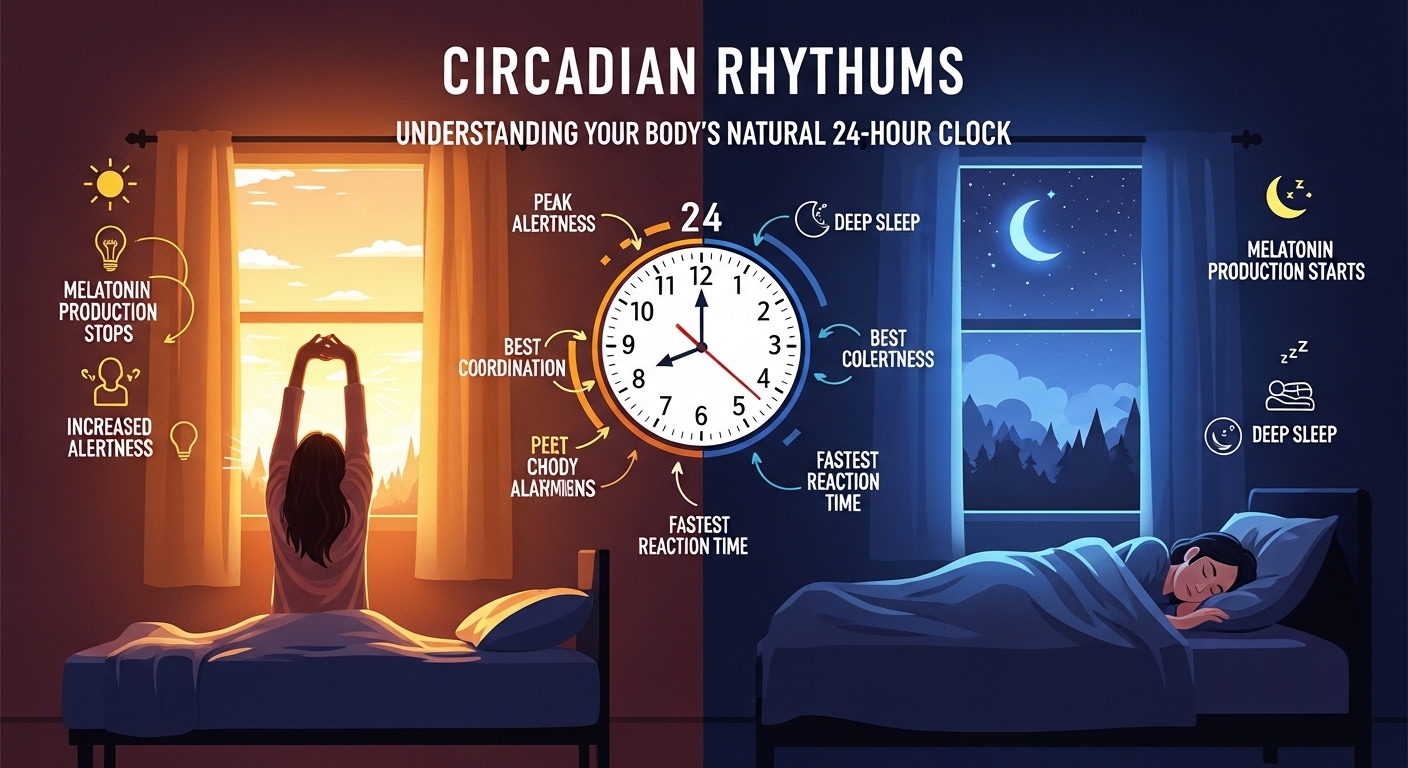
Every living organism operates according to internal timing systems that regulate essential biological functions throughout each day. Circadian rhythms govern sleep-wake cycles, hormone production, body temperature, and countless other physiological processes automatically and continuously. These natural patterns exist in humans, animals, plants, and even microscopic organisms, demonstrating their fundamental importance to life. Understanding how these internal clocks work empowers people to optimize their health, productivity, and overall well-being significantly.
The Science Behind Biological Clocks
Molecular Mechanisms at Work
Specific genes within nearly every cell in your body control the expression of clock proteins cyclically. These proteins accumulate during certain hours, then break down during others, creating feedback loops that repeat approximately every twenty-four hours. Moreover, this molecular machinery operates independently in different organs and tissues, coordinating their activities through complex signaling networks. Scientists have identified multiple clock genes including CLOCK, BMAL1, PER, and CRY that orchestrate these intricate biological timekeeping systems.
The Suprachiasmatic Nucleus
A tiny brain region located in the hypothalamus serves as the master conductor of your body’s entire timing system. This cluster of approximately twenty thousand neurons receives direct input from specialized light-sensitive cells in your eyes constantly. Consequently, external light exposure synchronizes your internal clock with the actual day-night cycle of your environment effectively. The master clock then communicates timing information to peripheral clocks throughout your body via hormonal signals and nerve pathways.
Light and External Synchronization
Photoreceptor Influence
Special retinal cells detect light intensity and wavelength, sending signals that adjust your biological clock’s timing each day. These photoreceptors contain melanopsin, a photopigment particularly sensitive to blue light wavelengths present in morning sunlight abundantly. Furthermore, bright light exposure during certain times can shift your internal clock forward or backward by several hours. This mechanism allows your body to adapt to changing seasonal day lengths and recover from travel across time zones.
Natural Light Exposure Benefits
Morning sunlight provides powerful signals that help set your biological clock to optimal timing for alertness and performance. People who receive adequate natural light exposure typically experience better sleep quality, improved mood, and enhanced cognitive function. Additionally, outdoor light proves significantly more intense than indoor lighting, making brief morning walks particularly effective for synchronization. Even cloudy days provide sufficient light intensity to influence your internal timing systems positively and effectively.
Artificial Light Complications
Modern electric lighting, especially screens emitting blue wavelengths, disrupts natural darkness signals your brain needs for proper timing. Evening exposure to bright lights and electronic devices delays melatonin production, making falling asleep more difficult consistently. Similarly, nighttime light pollution in urban environments interferes with natural darkness detection, weakening the synchronization between your environment and biology. These disruptions contribute to widespread sleep problems affecting millions of people in industrialized societies around the world.
Sleep-Wake Regulation
Two-Process Model
Scientists describe sleep regulation using two interacting processes: homeostatic sleep pressure and your biological clock’s timing signals. Sleep pressure builds continuously during waking hours as adenosine accumulates in your brain, creating increasing drowsiness over time. Meanwhile, your biological clock generates alerting signals that oppose this pressure during daylight hours, keeping you awake effectively. The interaction between these two systems determines when you feel sleepy and when you naturally wake up.
Melatonin’s Critical Role
Your pineal gland secretes melatonin beginning about two hours before your typical bedtime, signaling your body to prepare for sleep. This hormone promotes drowsiness, lowers body temperature, and initiates other physiological changes that facilitate the transition into sleep. Moreover, melatonin production remains elevated throughout the night, then drops rapidly after dawn when light exposure resumes. Disruptions to this natural melatonin rhythm contribute significantly to insomnia and other sleep disorders people commonly experience.
Sleep Architecture Patterns
Your biological clock influences the timing and structure of different sleep stages throughout the night in predictable ways. Deep sleep predominates during the first half of the night when your body temperature reaches its lowest point. In contrast, REM sleep becomes more frequent and longer during the early morning hours before you typically wake up. These patterns reflect evolutionary adaptations that optimize physical restoration, memory consolidation, and cognitive processing during appropriate sleep phases.
Daily Performance Fluctuations
Cognitive Function Variations
Mental abilities like attention, memory, problem-solving, and creativity fluctuate predictably throughout the day according to biological timing. Most people experience peak cognitive performance during mid-morning and early evening hours when alertness signals reach maximum strength. Conversely, attention and reaction times decline during the early afternoon, a phenomenon people often call the post-lunch dip. Understanding these natural patterns helps individuals schedule important tasks during their optimal performance windows for better outcomes.
Physical Performance Peaks
Athletic performance, muscle strength, cardiovascular efficiency, and coordination all vary systematically throughout the twenty-four-hour cycle significantly. Body temperature rises during the day, peaking in late afternoon when physical capabilities typically reach their maximum levels. Additionally, lung function, flexibility, and pain tolerance follow similar patterns, making evening hours ideal for intensive physical training. Professional athletes increasingly consider these timing effects when scheduling practices and competitions to maximize their performance potential.
Hormonal Fluctuations
Numerous hormones follow daily secretion patterns that profoundly influence metabolism, stress responses, immune function, and reproductive processes. Cortisol levels peak shortly after waking, providing energy and alertness needed to start the day successfully. Meanwhile, growth hormone secretion occurs primarily during deep sleep, supporting tissue repair and metabolic regulation throughout the night. These rhythmic hormone patterns coordinate bodily functions with appropriate times for different activities and recovery needs.
Health Implications and Disorders
Metabolic Consequences
Disrupted biological timing increases risks for obesity, diabetes, cardiovascular disease, and metabolic syndrome through multiple interconnected mechanisms. Your body expects food during daylight hours when metabolism operates most efficiently for digestion and energy utilization. Therefore, eating late at night conflicts with these natural metabolic patterns, promoting fat storage and impaired glucose regulation. Studies show that shift workers and frequent travelers face elevated metabolic disease risks compared to people maintaining consistent schedules.
Mental Health Connections
Depression, bipolar disorder, seasonal affective disorder, and other mood conditions frequently involve disturbances in biological timing systems. People with depression often show altered melatonin rhythms, shifted body temperature patterns, and irregular sleep-wake cycles consistently. Furthermore, light therapy treatments work partly by resynchronizing disrupted internal clocks to improve mood and energy levels. The bidirectional relationship between timing disruption and mental health highlights the importance of maintaining regular daily schedules.
Cancer Risk Factors
Prolonged biological clock disruption appears to increase susceptibility to certain cancers, particularly breast, prostate, and colorectal varieties. Night shift work correlates with elevated cancer rates, possibly because light exposure at inappropriate times suppresses protective melatonin. Moreover, clock genes directly regulate cell division, DNA repair, and tumor suppression processes throughout the body continuously. When these timing mechanisms malfunction, cellular proliferation may escape normal controls, potentially contributing to cancer development over time.
Modern Lifestyle Challenges
Shift Work Complications
People working non-traditional hours fight against their natural biological programming, creating chronic misalignment between internal and external time. Night shift workers must stay awake when their bodies strongly signal sleep and attempt sleeping when alertness peaks. Consequently, shift workers experience higher rates of accidents, errors, health problems, and reduced quality of life compared to daytime workers. Rotating shifts prove particularly challenging because the body never fully adjusts to any single schedule before changing again.
Social Jet Lag
Many people maintain different sleep schedules on workdays versus weekends, creating a phenomenon researchers call social jet lag. This pattern forces your body to repeatedly shift timing by several hours weekly, similar to constantly traveling across time zones. Additionally, late weekend nights and sleeping in on mornings disrupt the consistency your biological clock requires for optimal functioning. The accumulated sleep debt and timing confusion contribute to Monday morning grogginess and reduced productivity throughout the week.
Technology-Driven Disruption
Smartphones, tablets, computers, and televisions emit blue-enriched light that powerfully suppresses melatonin production during evening hours. Many people use electronic devices in bed, exposing themselves to alerting stimuli immediately before attempting sleep unsuccessfully. Furthermore, engaging content, notifications, and social media create psychological arousal that compounds the physiological effects of light exposure. These habits collectively represent major contributors to widespread sleep problems plaguing modern technological societies around the globe.
Optimization Strategies
Consistent Sleep Schedules
Maintaining regular bedtimes and wake times, including weekends, strengthens your biological clock’s synchronization and improves sleep quality. Your body thrives on predictability, allowing internal timing systems to anticipate and prepare for transitions between sleep and wakefulness. Moreover, consistency reduces the time needed to fall asleep and decreases middle-of-the-night awakenings significantly. Even during vacations or holidays, preserving your usual sleep schedule within one hour provides substantial benefits for wellbeing.
Strategic Light Exposure
Seeking bright light early in the day, particularly natural outdoor light, helps anchor your biological clock to appropriate timing. Conversely, dimming lights and avoiding screens for two hours before bedtime allows natural melatonin production to begin properly. Additionally, installing blue light filters on devices or wearing special glasses reduces evening light’s alerting effects when avoidance proves impractical. These simple adjustments to light exposure patterns can dramatically improve sleep quality and daytime alertness for most people.
Meal Timing Considerations
Eating during consistent daytime windows and avoiding late-night snacking supports healthy metabolic rhythms and proper biological clock function. Your digestive system, liver, pancreas, and other organs possess their own internal clocks that expect nutrients during specific times. Therefore, time-restricted eating approaches that limit food intake to eight or ten hours daily may enhance metabolic health. Early dinners prove particularly beneficial, allowing several hours for digestion before sleep begins and metabolism naturally slows down.
Exercise Timing Effects
Regular physical activity strengthens biological rhythms, but the timing of exercise influences your internal clock in important ways. Morning or early afternoon workouts promote earlier evening sleepiness and advance your overall schedule toward earlier times naturally. In contrast, intense evening exercise might delay your biological clock, making falling asleep more difficult for some individuals. Finding the exercise timing that aligns with your goals and natural preferences optimizes both performance benefits and sleep quality.
Special Populations
Children and Adolescents
Young people’s biological clocks naturally shift toward later timing during adolescence, making early school start times problematic. Teenagers biologically tend toward later bedtimes and wake times, yet society demands early morning alertness for education. This mismatch creates chronic sleep deprivation that impairs learning, mood, physical health, and safety among adolescent populations. Some schools have successfully implemented later start times, observing improvements in academic performance and student wellbeing consequently.
Aging Adults
Older individuals typically experience advancing biological clocks, leading to earlier evening sleepiness and early morning awakenings naturally. The amplitude of various rhythms weakens with age, potentially reducing sleep quality and increasing nighttime disturbances significantly. Additionally, decreased light exposure due to limited outdoor time or vision problems may further compromise proper clock synchronization. However, maintaining regular schedules, increasing bright light exposure, and staying physically active help preserve healthy timing patterns.
Pregnant Women
Pregnancy dramatically alters numerous biological rhythms as hormonal changes and fetal demands reshape maternal physiology throughout gestation. Sleep architecture changes substantially, with increased awakenings and altered sleep stage distributions becoming progressively more pronounced over trimesters. Moreover, newborns lack mature biological clocks initially, creating irregular sleep-wake patterns that disrupt parental rest for months. Understanding these temporary adaptations helps new parents maintain realistic expectations and seek appropriate support during this challenging period.
Future Research Directions
Chronotherapy Applications
Medical researchers increasingly explore timing treatments to coincide with biological rhythms for enhanced effectiveness and reduced side effects. Administering medications when target tissues show peak responsiveness or when side effects naturally minimize improves therapeutic outcomes. Similarly, scheduling surgeries during optimal biological timing windows may enhance recovery rates and reduce complications in patients. This chronotherapy approach represents a promising frontier for personalizing medicine based on individual timing characteristics and treatment needs.
Genetic Variations
Scientists continue identifying genetic differences that influence whether individuals naturally prefer early morning or late evening activities. These chronotype variations appear partly heritable, with specific gene variants associated with distinct timing preferences and sleep patterns. Furthermore, understanding genetic factors could eventually enable personalized recommendations for optimizing individual schedules based on biological predispositions. Such precision approaches might help people work with rather than against their natural inclinations for improved health outcomes.
Conclusion
Your body’s internal timing systems profoundly influence every aspect of health, performance, and wellbeing throughout your entire lifespan. Modern lifestyles frequently conflict with these ancient biological patterns, creating widespread problems that affect physical and mental health. However, understanding how these internal clocks function empowers individuals to make informed choices that support natural rhythms effectively. By aligning daily activities, light exposure, meals, and sleep with biological timing, people can optimize their health potential. Respecting these fundamental biological principles offers accessible pathways toward enhanced wellbeing in our demanding contemporary world today.