
 By Kathryn Roqueeto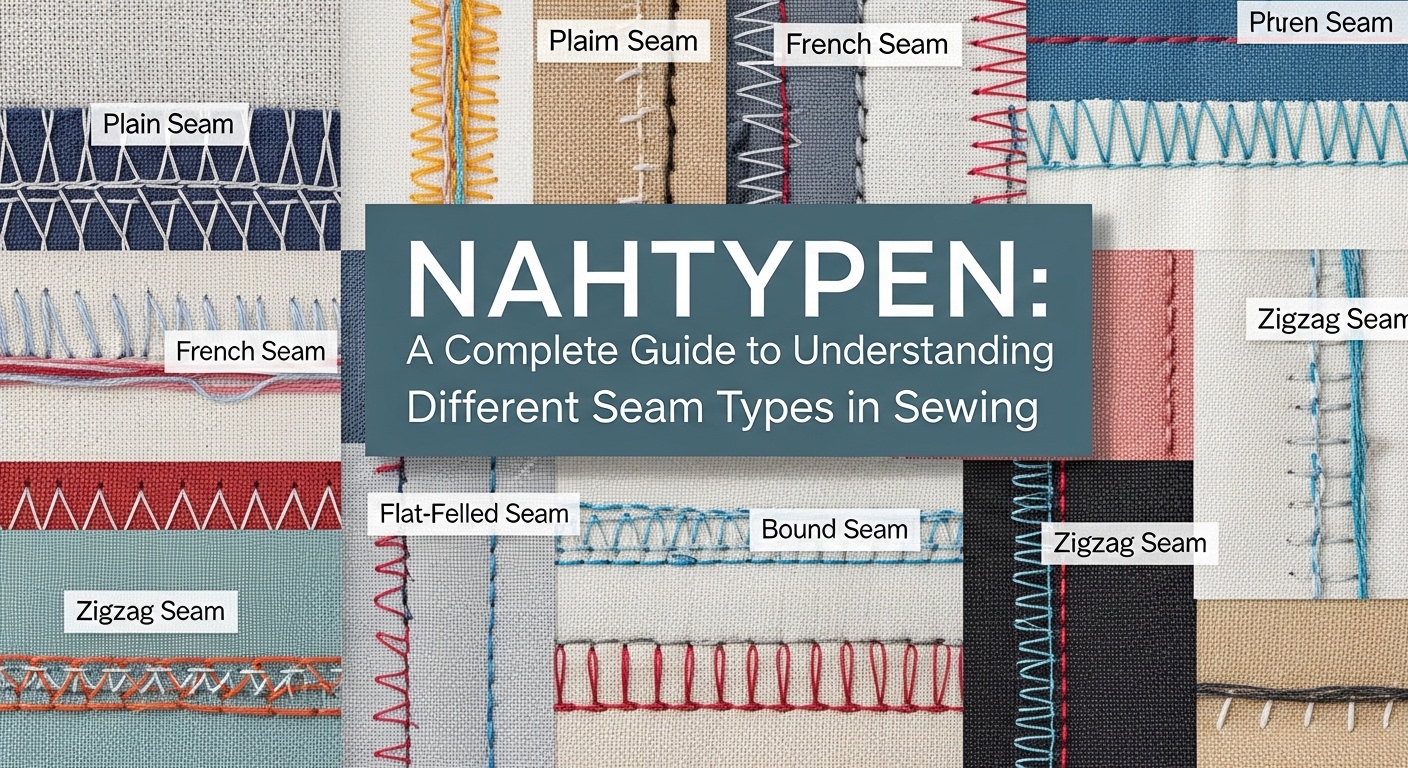
Introduction: Why Nahttypen Matter in Every Sewing Project
Every sewing enthusiast encounters Nahttypen — the various seam types — at the very start of their journey. Understanding Nahttypen helps sewers select the right technique for each fabric and project. Furthermore, choosing the correct seam type directly affects durability, appearance, and overall garment quality. Therefore, both beginners and experienced tailors must build a solid foundation in seam knowledge. This guide walks through all major seam types clearly, covering their purpose, technique, and best use cases step by step.
What Are Nahttypen and Why Do They Differ?
Nahttypen, or seam types, refer to the different methods sewers use to join two or more fabric pieces together. Moreover, each seam type produces a different result in terms of strength, stretch, and visual appeal. Consequently, the fabric type, garment style, and intended use all influence which seam works best. For instance, a heavy denim jacket demands far stronger seams than a delicate silk blouse requires. Additionally, decorative projects call for ornamental seams that add beauty while functional garments prioritize structural integrity above everything else.
Types of Basic Seams Every Sewer Should Know
The Plain Seam
The plain seam stands as the most fundamental and widely used seam in all of sewing. Essentially, two fabric pieces align face to face, and a straight stitch joins them along the edge. However, this seam works best with woven, non-stretch fabrics like cotton, linen, and denim. Furthermore, sewers must finish the raw edges afterward to prevent fraying over time and with washing. Therefore, beginners always start with the plain seam before moving on to more advanced techniques confidently.
The French Seam
The French seam offers a clean, enclosed finish that hides all raw edges completely inside the seam itself. Initially, sewers join fabric pieces with wrong sides together, then trim the seam allowance very closely. Subsequently, they fold right sides together and stitch again, encasing the raw edges neatly inside. As a result, the finished seam looks polished and professional from both the inside and outside of the garment. Consequently, French seams suit lightweight fabrics like chiffon, silk, and organza extremely well in fine dressmaking.
The Flat-Felled Seam
The flat-felled seam creates one of the strongest and most durable joins available in everyday sewing. Additionally, this seam features two visible rows of stitching on the outside, giving it a neat, sporty appearance. For that reason, denim jeans, workwear, and outerwear rely heavily on flat-felled seams for lasting durability. Furthermore, this seam type encases all raw edges securely, making it both functional and visually appealing simultaneously. Therefore, anyone sewing activewear or heavy-duty garments should master this seam early in their training.
Decorative Seam Types That Add Visual Interest
The Topstitched Seam
The topstitched seam combines structural joining with a decorative detail that enhances the overall garment appearance. Specifically, sewers complete a plain seam first and then press it open or to one side before continuing. Afterward, they add one or more rows of visible stitching on top of the right side of the fabric. Moreover, topstitching adds stiffness and stability, which makes it ideal for collars, cuffs, and waistbands. Thus, it serves both aesthetic and functional purposes, making it a popular choice across many garment types.
The Welt Seam
The welt seam resembles the topstitched seam but involves trimming one seam allowance shorter before stitching. Consequently, one edge folds over the trimmed one, creating a neat, raised ridge visible on the fabric’s right side. Furthermore, this seam appears frequently in tailored jackets, coats, and structured bags where a crisp finish matters greatly. Additionally, the welt seam adds a professional, couture-quality look that immediately elevates any handmade garment’s appearance significantly. Therefore, intermediate sewers should practice this technique to expand their range of finishing options quickly.
The Lapped Seam
The lapped seam overlaps one fabric edge directly over another, creating a flat and smooth join without bulk. Moreover, sewers often use it in leather crafting, vinyl work, and non-fray materials where turning edges proves impossible. Additionally, upholstery projects and bag-making benefit greatly from lapped seams because they lay flat against the surface. Consequently, this seam type reduces bulk considerably while maintaining a strong and visually clean bond throughout the project. Thus, it works as an excellent alternative when traditional enclosed seams simply cannot accommodate thicker or stiffer materials.
Functional Seam Types Designed for Strength and Stretch
The Zigzag Seam
The zigzag seam delivers superior stretch and flexibility compared to a standard straight stitch seam. Therefore, it suits knit fabrics, jersey, spandex, and other stretchy materials that require seam movement during wear. Furthermore, a zigzag stitch prevents thread breakage when the fabric pulls and stretches during regular use. Moreover, sewers also use this seam type to finish raw edges and prevent fraying on woven fabrics simultaneously. Consequently, the zigzag seam ranks among the most versatile and essential seam types in modern garment construction today.
The Serged or Overlock Seam
The serged seam produces the clean, professional finish that people instantly recognize from store-bought clothing and garments. Specifically, an overlock machine trims the fabric edge while simultaneously wrapping thread around it for a secure finish. Additionally, serged seams work efficiently on stretch fabrics, making them standard in activewear and t-shirt manufacturing worldwide. Furthermore, combining a serged seam with a straight stitch creates the popular “stitch and serge” technique for added strength. Therefore, investing in an overlock machine significantly improves the quality and efficiency of any serious sewing operation.
The Stretch Seam
The stretch seam addresses the unique demands of elastic and knitted fabrics in sportswear and casual clothing. Moreover, modern sewing machines offer built-in stretch stitches that move with the fabric without breaking or puckering. Furthermore, sewers sometimes use a narrow zigzag or a lightning bolt stitch as effective stretch seam alternatives. Consequently, activewear, swimwear, and yoga clothing rely almost entirely on stretch-capable seam types for both comfort and function. Therefore, understanding stretch seams proves absolutely essential for anyone interested in sewing performance or athletic garments professionally.
Hand-Sewn Seam Types Worth Mastering
The Running Stitch Seam
The running stitch seam represents the simplest hand-sewn seam and the starting point for all hand sewing techniques. Essentially, the needle passes in and out of the fabric at regular intervals, creating a dashed line of stitching. Furthermore, sewers use it for basting, gathering fabric, and making temporary joins before permanent machine stitching follows. However, the running stitch lacks significant strength, so it rarely serves as a permanent structural seam in finished garments. Therefore, beginners practice it first to develop hand control and even stitch spacing before advancing to harder techniques.
The Backstitch Seam
The backstitch seam delivers the strongest hand-sewn join and closely mimics the look of machine stitching by hand. Specifically, the needle re-enters the fabric behind the previous stitch, then exits ahead to create a solid continuous line. Moreover, tailors use backstitching to repair machine seams, sew hard-to-reach areas, and complete intricate handcrafted projects. Additionally, the backstitch works beautifully on leather, canvas, and thick textiles where machines struggle to maneuver easily. Consequently, every sewer who takes hand stitching seriously must master the backstitch before tackling complex handmade projects.
The Whip Stitch Seam
The whip stitch joins two fabric edges by wrapping thread diagonally over both layers in a consistent pattern. Furthermore, crafters frequently use it to close stuffed toy openings, join felt pieces, and complete crocheted or knitted projects. Moreover, the whip stitch creates a visible, decorative edge that many sewers deliberately choose for its charming handmade appearance. Additionally, leather workers rely on whip stitching to join panels because the technique suits thick, non-fraying materials effectively. Therefore, this seam type bridges both functional sewing and decorative crafting across a wide range of creative applications.
Specialty Seam Types for Advanced Projects
The Bound Seam
The bound seam wraps a separate strip of fabric around the raw edges, completely enclosing them for a clean finish. Consequently, it appears frequently in unlined jackets, quilts, and garments where the inside remains visible during wear. Furthermore, bias tape commonly serves as the binding material because its diagonal cut allows it to curve smoothly. Moreover, bound seams add a contrasting color or texture detail that elevates the visual appeal of any garment instantly. Therefore, sewers who work on unlined or reversible garments should learn bound seam techniques as a priority skill.
The Slot Seam
The slot seam features a visible gap between two fabric pieces, with a separate strip of fabric showing underneath it. Additionally, this seam creates a striking decorative effect that designers use to add visual interest and dimension to garments. Furthermore, it requires precise cutting, pressing, and stitching to ensure both sides of the gap remain perfectly even. Consequently, couture houses and high-end tailors frequently incorporate slot seams into structured jackets and skirts for dramatic effect. Therefore, sewers who enjoy creative and fashion-forward construction will find the slot seam a rewarding technique to develop.
The Piped Seam
The piped seam incorporates a narrow strip of fabric or cording inserted along the seam line before final stitching. Moreover, this technique adds structure, definition, and a professional detail to cushions, bags, and tailored garments alike. Furthermore, upholstery projects rely heavily on piped seams to define edges and add a finished, structured appearance to furniture. Additionally, garment sewers use piping at necklines, cuffs, and pocket openings to create sharp contrast or subtle texture details. Consequently, mastering the piped seam opens doors to professional-level results across both fashion and interior design sewing projects.
How to Choose the Right Seam Type for Your Project
Selecting the correct seam type depends on several key factors that sewers must evaluate before starting any project. First, consider the fabric weight and stretch level, as these properties eliminate or highlight certain seam options immediately. Furthermore, think about whether the inside of the garment remains visible, since exposed interiors demand neater and cleaner seam finishes. Additionally, the garment’s intended use matters greatly, because activewear needs stretch while formalwear prioritizes elegance and clean lines. Therefore, combining fabric knowledge with an understanding of seam functions helps sewers make confident, informed decisions every single time.
Common Mistakes to Avoid When Sewing Different Seam Types
Many beginners make the mistake of using a straight stitch on stretch fabrics, causing thread breakage during wear. Furthermore, skipping edge finishing on woven fabrics leads to fraying that progressively weakens the entire seam over time. Moreover, inconsistent seam allowances create garments that do not fit properly, regardless of how carefully sewers cut the pattern pieces. Additionally, rushing through pressing steps leaves seams looking unprofessional and lumpy even when the stitching itself looks technically correct. Therefore, patience, practice, and attention to each seam’s specific requirements consistently produce the best possible sewing results.
Tips for Improving Seam Quality Across All Nahttypen
Maintaining consistent seam allowances requires using seam guides, marked lines, or specialty presser feet during sewing. Furthermore, always press seams with an iron immediately after sewing to set the stitches and improve the garment’s overall appearance. Moreover, testing the seam type on a scrap piece of the same fabric before sewing the actual garment saves significant time. Additionally, choosing the right needle size and thread weight for each fabric type dramatically improves seam strength and stitch quality. Consequently, small habits like these separate confident, skilled sewers from beginners who struggle with inconsistent and disappointing results.
Conclusion: Building Confidence Through Seam Knowledge
Understanding Nahttypen transforms an average sewer into a confident, versatile, and highly capable textile craftsperson over time. Moreover, each seam type represents a specific solution designed to address a particular fabric, function, or aesthetic challenge effectively. Furthermore, expanding your seam vocabulary means tackling more ambitious projects with greater precision, creativity, and professional-level results. Therefore, practice each seam type deliberately, study its characteristics, and apply it thoughtfully to every project you undertake. Ultimately, a thorough understanding of seam types forms the very backbone of excellent sewing at every skill level.