
 By Kathryn Roqueeto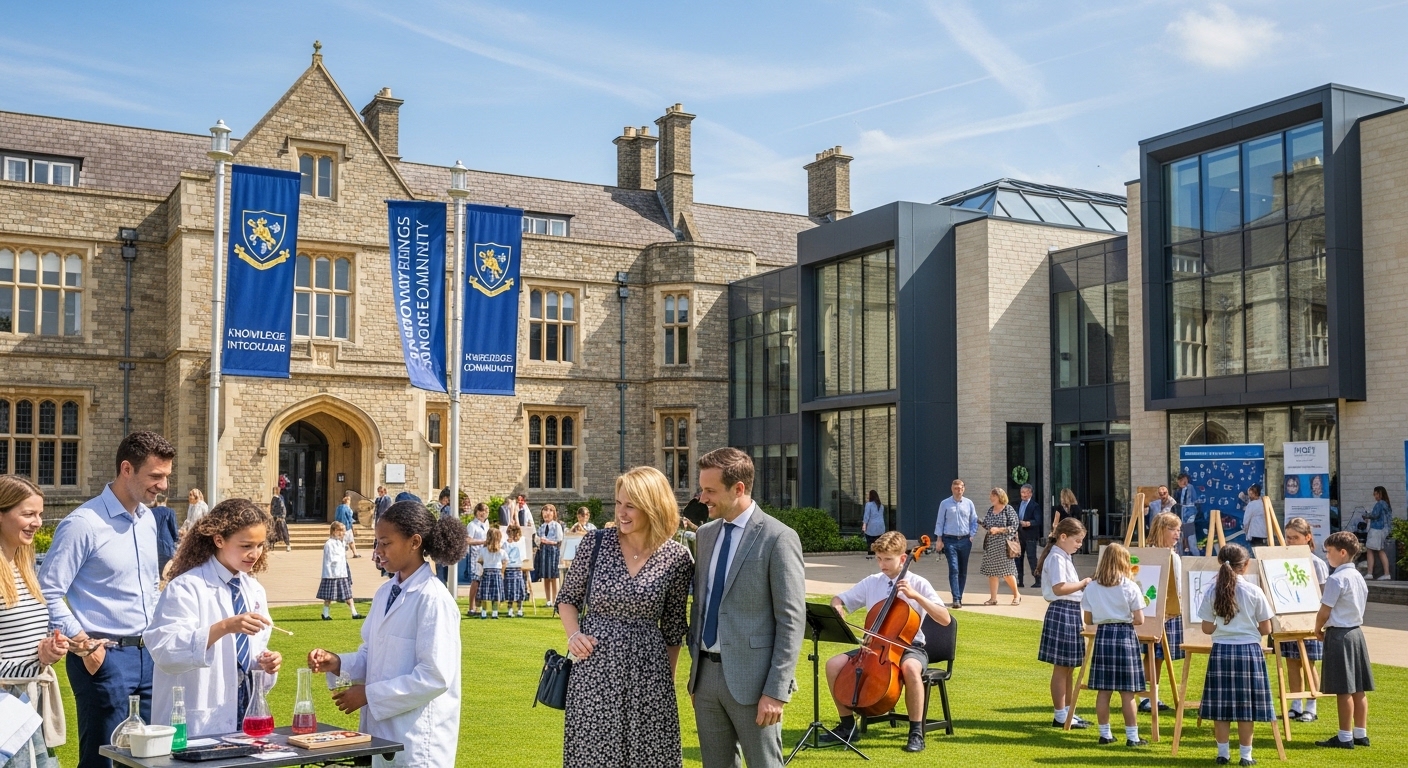
Introduction: Why Visiting Matters More Than You Think
Every family wants the very best learning environment for their child. A private school open day gives parents and students a real, firsthand look at school culture. Furthermore, it lets you move beyond brochures and websites into genuine human experience. Walking those hallways tells you things no prospectus ever could.
What Happens During a School Open Day
The General Structure of the Visit
Most schools follow a clear and welcoming schedule that runs for two to four hours. First, the headteacher usually delivers a short presentation covering vision, values, and academic performance. Then, students and parents split into guided tours led by current pupils. Additionally, subject departments open their doors so families can speak directly with teachers.
Meeting Students and Staff Face to Face
Student guides often tell you more than any official representative ever will. They speak honestly about friendships, workload, extracurricular activities, and daily school life. Moreover, watching how staff interact with those student guides reveals the real culture instantly. Therefore, pay close attention to body language, warmth, and genuine respect between adults and children.
How to Prepare Before You Arrive
Research the School Thoroughly First
Before you step through the front gate, spend time on the school website and recent inspection reports. Consequently, you arrive with specific, intelligent questions rather than vague impressions. Write down at least five questions covering academics, wellbeing, sport, arts, and pastoral support. In addition, ask your child what they hope to find so their voice shapes your visit from the start.
What to Bring on the Day
Bring a notepad, your list of questions, and a camera if photography rules allow it. Similarly, dress comfortably because tours often cover large grounds in unpredictable British weather. Most importantly, bring your child and let them lead at least part of the experience themselves. Their gut feeling about a place often proves more accurate than any statistic on a league table.
What to Look For During Your Tour
Classroom Environment and Teaching Style
Step inside as many classrooms as possible and observe how teachers engage with learners actively. Notice whether students look enthusiastic, distracted, bored, or genuinely absorbed in meaningful tasks. Furthermore, check whether displays celebrate a wide range of pupil work or only showcase a few elite examples. A healthy classroom culture includes every learner, not just the highest achievers at the top.
Facilities and Extracurricular Opportunities
Outstanding facilities certainly matter, but they should serve real student needs rather than impress visiting parents. Therefore, ask how often students actually use the swimming pool, theatre, or design technology suite. Additionally, find out whether clubs and teams welcome everyone or operate on a selective, competitive-only basis. Schools that include all abilities in sport and arts build far stronger communities over time.
Pastoral Care and Student Wellbeing
Ask specific questions about how the school supports students who struggle emotionally or academically mid-term. Moreover, find out what the tutoring system looks like and how quickly staff identify and respond to need. Transition from primary to secondary school can feel overwhelming, so strong pastoral structures matter enormously here. Equally important, ask how the school handles bullying and whether students feel safe reporting concerns openly.
Questions You Should Always Ask
Academic Questions Worth Raising
- How does the school support students who need extra challenge beyond the standard curriculum each year?
- What percentage of students achieve their predicted grades at GCSE and A-Level consistently?
- Furthermore, how does the school approach learning differences such as dyslexia or ADHD supportively?
Questions About School Culture and Values
- How does leadership involve students in decisions about school policies and day-to-day community life?
- Additionally, how does the school celebrate diversity across ethnicity, religion, background, and family structure?
- What does a typical Tuesday afternoon look like for a Year Eight student between lessons and home?
After the Visit: Reflecting as a Family
Talk to Your Child That Same Evening
Sit down together while impressions remain fresh and ask your child what stood out most strongly. Consequently, you often discover that they noticed things you completely missed during the official tour. Perhaps a teacher smiled warmly at them in a corridor, or a student guide shared something reassuring and real. These small human moments frequently matter more than impressive buildings or polished headteacher presentations.
Compare Schools With an Honest Checklist
After visiting several schools, create a simple comparison grid covering your most important priorities clearly. Therefore, include academics, commute time, fees, culture, sport, arts, and your child’s own overall gut feeling. Moreover, involve your child in scoring each category so they feel genuine ownership over this big decision. Ultimately, the right school feels right to both parent and child simultaneously and naturally.
Common Mistakes Families Make on Open Days
Letting Impressive Buildings Overshadow Everything Else
Beautiful architecture creates powerful first impressions, but outstanding teaching happens inside ordinary-looking rooms just as easily. Therefore, resist the urge to equate glossy facilities with educational excellence or genuine student happiness long-term. Instead, focus your energy on conversations, interactions, and the invisible atmosphere that fills every corridor. That atmosphere tells you far more than a brand-new sports centre or state-of-the-art science block ever will.
Forgetting to Trust Your Instincts
Parents sometimes override their gut feeling because a school holds an impressive reputation or league table position. However, your instincts during a visit often pick up subtle signals that your logical brain dismisses too quickly. If something feels off, it probably is, regardless of how many awards hang on the reception wall. Consequently, always balance data and reputation with the emotional response you and your child experience together.
Conclusion: Make Every Open Day Count
A visit to any school is ultimately an act of trust between your family and an educational community. Therefore, approach each open day with curiosity, preparation, and genuine openness to both positive and negative impressions equally. In conclusion, the best school for your child is the one where they feel seen, challenged, and truly welcomed every single day. Take your time, ask bold questions, and trust the process to guide you toward the right decision.