
 By Kathryn Roqueeto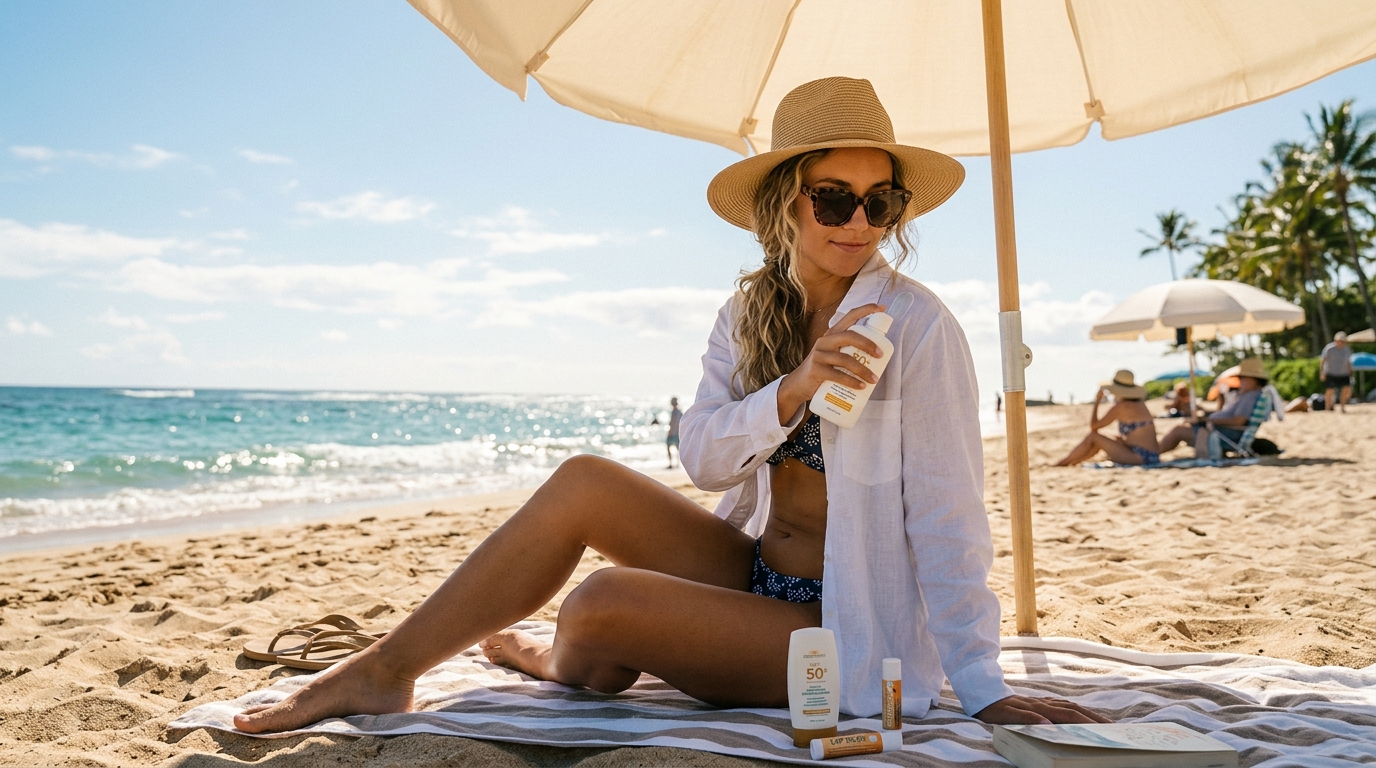
The Smart Way to Tan in Today’s World
Sun protection tanning gives modern sun lovers the golden glow they crave without sacrificing the long-term health of their skin. Most people assume that sunscreen and tanning stand on opposite ends of an impossible spectrum, but that assumption misleads them entirely. Furthermore, advances in skincare science now make it genuinely possible to deepen a tan while actively shielding skin from serious UV damage. Therefore, understanding how to balance both goals transforms the entire outdoor experience into something both beautiful and responsible.
Understanding UV Rays and How They Affect Your Skin
The Two Types of UV Radiation
The sun emits two primary types of ultraviolet radiation that reach the earth’s surface and interact with human skin differently. UVA rays penetrate deeply into the dermis and trigger the melanin response that produces the visible color of a tan. Consequently, UVA exposure drives the tanning process while simultaneously contributing to premature aging, wrinkles, and long-term cellular damage beneath the surface.
UVB rays, on the other hand, affect the outermost skin layer and cause the painful burning that most sun lovers dread. Therefore, UVB exposure represents the more immediately dangerous radiation type because it directly damages DNA within skin cells rapidly. Furthermore, both ray types increase the cumulative risk of developing melanoma and other serious skin cancers over a lifetime of unprotected exposure.
How the Body Produces a Tan
The body produces melanin as a natural defense mechanism whenever UV radiation penetrates the skin’s outer layers sufficiently. Consequently, melanin absorbs UV energy and disperses it as heat to limit the deeper cellular damage that prolonged exposure causes. Moreover, the visible darkening of the skin that people call a tan actually represents the body’s attempt to protect itself from further harm.
Why Unprotected Tanning Carries Real Risks
Tanning without any form of sun protection accelerates skin aging, increases cancer risk, and damages the skin’s structural integrity significantly. Therefore, people who prioritize their tan over skin health often face consequences including sunspots, uneven texture, and increased dermatologist visits. In addition, severe sunburns during youth dramatically elevate lifetime melanoma risk, making early sun protection habits critically important for everyone.
What Sun Protection Tanning Actually Means
Redefining the Relationship Between SPF and Tanning
Many people mistakenly believe that applying sunscreen completely prevents tanning, but this misunderstanding discourages protective behavior unnecessarily. Therefore, SPF products filter a percentage of UV rays rather than creating a complete barrier that blocks every wavelength entirely. Consequently, the skin continues developing color gradually while the sunscreen significantly reduces the proportion of damaging radiation that penetrates the skin.
The Role of Broad-Spectrum Sunscreen
Broad-spectrum sunscreens protect against both UVA and UVB rays, making them the most effective choice for anyone tanning outdoors. Therefore, choosing broad-spectrum formulas means protecting against both burning and the deeper damage that drives premature aging aggressively. Furthermore, dermatologists consistently recommend broad-spectrum products with an SPF of at least thirty for any extended outdoor activity regardless of skin tone.
Gradual Tanning as the Gold Standard
The safest approach to outdoor color involves building a tan slowly over multiple shorter sessions rather than one prolonged exposure. Consequently, gradual tanning allows melanin production to keep pace with UV exposure rather than overwhelming the skin’s defensive capacity. Moreover, a tan developed slowly appears more even, lasts longer, and arrives without the peeling and irritation that intense sessions produce.
Choosing the Right Sunscreen for Tanning
SPF Levels Explained Simply
SPF thirty blocks approximately ninety-seven percent of UVB rays while still allowing enough UV interaction to support gradual melanin development. Therefore, SPF thirty strikes an effective balance between meaningful protection and the continued possibility of achieving natural sun-kissed color. Furthermore, SPF fifty offers slightly more protection and suits fair-skinned individuals or those with a history of sun sensitivity and burning.
Mineral vs. Chemical Sunscreens
Mineral sunscreens contain zinc oxide or titanium dioxide and sit on top of the skin to physically deflect UV radiation away. Consequently, they begin working immediately upon application and suit sensitive skin types that react poorly to chemical filter ingredients. Moreover, chemical sunscreens absorb UV rays and convert them to heat, requiring approximately twenty minutes of absorption time before offering effective protection.
Water-Resistant Formulas for Outdoor Activities
Swimming, sweating, and towel drying all degrade sunscreen effectiveness faster than most outdoor enthusiasts realize during active sessions. Therefore, choosing water-resistant formulas and reapplying every eighty minutes during water activities maintains consistent protection throughout the day. Additionally, applying sunscreen generously rather than sparingly makes an enormous difference since most people apply far less than the amount that achieves the labeled SPF rating.
Tanning-Specific Sunscreen Products
The market now offers sunscreen products specifically formulated to support gradual color development while maintaining meaningful UV protection. Consequently, these products often contain bronzing agents, antioxidants, and skin-conditioning ingredients that enhance the tanning experience holistically. Furthermore, some formulas include ingredients like tyrosine that the body uses during melanin production, theoretically supporting more efficient color development.
Building Your Sun Protection Tanning Routine
Preparation Starts Before You Step Outside
Exfoliating skin one to two days before sun exposure removes dead cells that cause uneven color and accelerate fading. Therefore, smooth and freshly exfoliated skin absorbs UV energy more evenly and holds developed color significantly longer afterward. Additionally, staying well-hydrated in the days leading up to outdoor tanning sessions keeps skin supple and more resilient under UV exposure.
Applying Sunscreen Correctly Every Time
Apply sunscreen generously to all exposed skin at least fifteen to thirty minutes before stepping into direct sunlight outdoors. Consequently, allowing adequate absorption time ensures the product reaches peak effectiveness before UV exposure begins accumulating on the skin. Moreover, covering commonly missed areas like the ears, back of the neck, tops of feet, and backs of hands prevents painful and unsightly burns.
Timing Your Sun Exposure Strategically
UV radiation reaches its most intense levels between ten in the morning and four in the afternoon in most regions. Therefore, tanning during the earlier morning hours or later afternoon reduces overall UV intensity while still supporting melanin stimulation. Furthermore, this timing strategy lets sun lovers achieve gradual color development while significantly reducing their cumulative UV damage load over time.
Reapplying Throughout the Day
Reapplication every two hours during continuous outdoor exposure maintains protection levels that prevent burning and deeper cellular damage. Consequently, setting a phone reminder removes the guesswork and ensures protection never lapses during long beach days or outdoor events. In addition, reapplying after swimming, sweating heavily, or toweling off restores the protective layer that physical activity consistently disrupts.
Enhancing Your Tan While Staying Protected
Using Tanning Oils with SPF
Tanning oils with SPF offer a middle ground between rich sensory experience and meaningful skin protection during outdoor sessions. Therefore, these products provide the silky application and skin-enhancing sheen that tanning enthusiasts enjoy while still filtering damaging UV rays. Furthermore, choosing oils with SPF fifteen or higher rather than unprotected oils dramatically reduces burning risk without eliminating the tanning result.
Bronzing Lotions and Cosmetic Color
Cosmetic bronzers and self-tanning lotions offer an immediate color boost that reduces the pressure to spend excessive hours in the sun. Consequently, pairing a self-tanner with responsible outdoor sun time achieves a deeper and more dimensional result than either approach alone. Moreover, modern self-tanners deliver natural-looking color that complements rather than clashes with any real tan developing simultaneously.
After-Sun Care That Preserves Color
Moisturizing immediately after sun exposure with aloe vera, hyaluronic acid, or dedicated after-sun lotions dramatically extends tan longevity. Therefore, hydrated skin holds melanin in place longer and peels far less than dry skin that loses its outer layer prematurely. Additionally, avoiding long hot showers after tanning sessions and patting skin dry rather than rubbing preserves the color investment made during outdoor time.
Antioxidant Support from Inside and Out
Consuming antioxidant-rich foods like berries, leafy greens, and tomatoes helps the body neutralize free radicals generated by UV exposure. Consequently, an antioxidant-rich diet supports skin health from within and reduces the oxidative stress that contributes to sun-related aging. Furthermore, applying antioxidant serums containing vitamin C or E before sunscreen adds another protective layer that works synergistically with SPF products.
Safe Tanning for Different Skin Types
Fair Skin: Extra Care Required
People with fair skin produce less melanin naturally and therefore burn far more easily than those with medium or deeper tones. Therefore, fair-skinned individuals benefit most from higher SPF products, shorter initial sessions, and more gradual color-building approaches. Moreover, starting with SPF fifty and limiting initial sessions to fifteen minutes helps establish a base tan that offers some natural protection going forward.
Medium Skin Tones: Balancing Ease and Caution
Medium skin tones tan relatively easily but still face significant cumulative UV damage risk despite their natural melanin advantage. Consequently, the ease of tanning in medium skin types sometimes creates a false sense of security that discourages adequate sun protection. Therefore, maintaining SPF thirty or higher and practicing smart timing habits protects medium-toned skin from the invisible damage that accumulates quietly over years.
Deeper Skin Tones: Protection Remains Essential
A widespread misconception suggests that deeply pigmented skin needs no sun protection because it tans without burning visibly. Consequently, people with deeper skin tones often skip sunscreen entirely and accumulate decades of unprotected UV damage without obvious short-term signs. Furthermore, skin cancer affects people of all skin tones, and darker-skinned individuals often receive later diagnoses because awareness remains lower in these communities.
Common Sun Protection Tanning Mistakes to Avoid
Skipping Sunscreen on Cloudy Days
Clouds block visible light effectively but filter very little of the UV radiation responsible for tanning and skin damage. Therefore, spending an overcast beach day without sunscreen produces the same UV exposure as a cloudless afternoon under direct sun. Moreover, many people report their worst sunburns happening on cloudy days precisely because reduced warmth creates a misleading sense of safety.
Relying on Makeup SPF as Primary Protection
Many foundations and tinted moisturizers contain SPF but deliver nowhere near the application thickness needed to achieve their labeled protection. Consequently, relying on makeup SPF alone leaves skin significantly more vulnerable than using a dedicated sunscreen product underneath. Furthermore, most people apply cosmetics in thin layers that provide a fraction of the protection that proper sunscreen application achieves on bare skin.
Forgetting Lips and Eyes
The lips and the delicate skin around the eyes suffer UV damage at rates comparable to other exposed facial areas. Therefore, applying SPF lip balm before sun exposure protects against painful burning and reduces long-term lip cancer risk effectively. Additionally, wearing UV-blocking sunglasses shields the eyes and prevents UV-related cataracts and the breakdown of delicate periorbital skin over time.
Using Expired Sunscreen Products
Sunscreen ingredients degrade over time and lose their effectiveness significantly after the manufacturer’s expiration date passes. Consequently, applying old sunscreen creates a false sense of protection while delivering far less UV filtering than the label originally promised. Therefore, checking expiration dates before each season and replacing expired products ensures protection levels remain consistent and genuinely reliable throughout the summer.
Indoor Tanning and UV Protection
The Reality of Tanning Bed Risks
Tanning beds emit concentrated UV radiation that often exceeds natural sunlight intensity, creating accelerated skin damage in shorter sessions. Therefore, dermatologists and cancer organizations worldwide recommend avoiding tanning beds entirely regardless of protective measures attempted during use. Furthermore, research consistently links tanning bed use to significantly elevated melanoma risk, particularly among users who begin before the age of thirty-five.
Spray Tanning as a Completely Safe Alternative
Professional spray tanning delivers immediate, customizable color without any UV exposure whatsoever, making it the safest tanning option available. Consequently, people who love a deep tan but want zero UV risk achieve beautiful results through this increasingly sophisticated cosmetic service. Moreover, modern spray tan formulations last seven to ten days with proper aftercare and look remarkably natural on virtually every skin tone.
Self-Tanning Products: Better Than Ever
Today’s self-tanning mousses, drops, and serums deliver streak-free, natural-looking results that previous generations of products simply could not achieve. Therefore, incorporating self-tanners into a skincare routine gives sun lovers year-round color confidence without accumulating any additional UV damage. Furthermore, using self-tanners to maintain color between outdoor sessions reduces the total sun exposure needed to sustain a desired level of tan.
Teaching Children Smart Sun Habits Early
Why Early Protection Matters Most
Childhood sunburns carry disproportionate long-term consequences because young skin sustains UV damage more severely than adult skin does. Therefore, establishing consistent sun protection habits during childhood creates patterns that follow children into their adult years naturally. Furthermore, parents who model proper sunscreen application normalize sun protection as a standard part of outdoor preparation rather than an optional inconvenience.
Child-Friendly Sunscreen Options
Mineral sunscreens suit children’s sensitive skin better than chemical formulas because they work immediately and cause fewer irritation reactions. Consequently, keeping children’s sunscreen application simple, quick, and pleasant increases cooperation and consistency during busy outdoor days. Moreover, applying sunscreen before dressing rather than at the beach removes the struggle of applying products to excited children eager to enter the water.
Protective Clothing and Shade Strategies
UPF-rated clothing, wide-brimmed hats, and shade canopies complement sunscreen to create layered protection for young and sensitive skin. Therefore, combining multiple protective strategies gives children far better UV coverage than sunscreen application alone typically achieves. Additionally, scheduling outdoor play during cooler morning hours reduces UV intensity during the hours children spend most actively in the sun.
The Future of Sun Protection Tanning
Innovations in Sunscreen Technology
Researchers continue developing next-generation sunscreen formulas that offer broader protection, better cosmetic elegance, and longer-lasting effectiveness. Consequently, future products promise invisible application, sweat-proof performance, and filter systems that protect against additional wavelengths beyond current UV coverage. Furthermore, DNA-repair technologies being incorporated into advanced sunscreens actively address cellular damage that occurs despite protective measures during sun exposure.
Growing Awareness of Skin Health
Cultural attitudes toward tanning continue shifting as skin cancer rates rise and dermatological education reaches broader audiences globally. Therefore, the golden tan aesthetic increasingly coexists with sophisticated sun protection habits rather than competing against them as it once did. Moreover, beauty industry messaging now celebrates healthy glowing skin achieved responsibly rather than promoting reckless sun worship as a desirable lifestyle choice.
Final Thoughts
Achieving a beautiful sun-kissed glow and protecting skin from long-term damage represent goals that work together rather than against each other. Therefore, embracing smart sun protection tanning habits transforms every outdoor session into an experience that the skin can genuinely sustain over decades. Moreover, the investment in proper products, strategic timing, and consistent reapplication pays extraordinary dividends in the form of healthier and more youthful skin.
In conclusion, anyone who loves the warmth of the sun and the confidence that comes with glowing skin deserves an approach that honors both pleasures. Ultimately, sun protection tanning represents the modern and intelligent path forward for every skin tone, every age, and every sun lover who plans to enjoy the outdoors for many beautiful years ahead.