
 By admin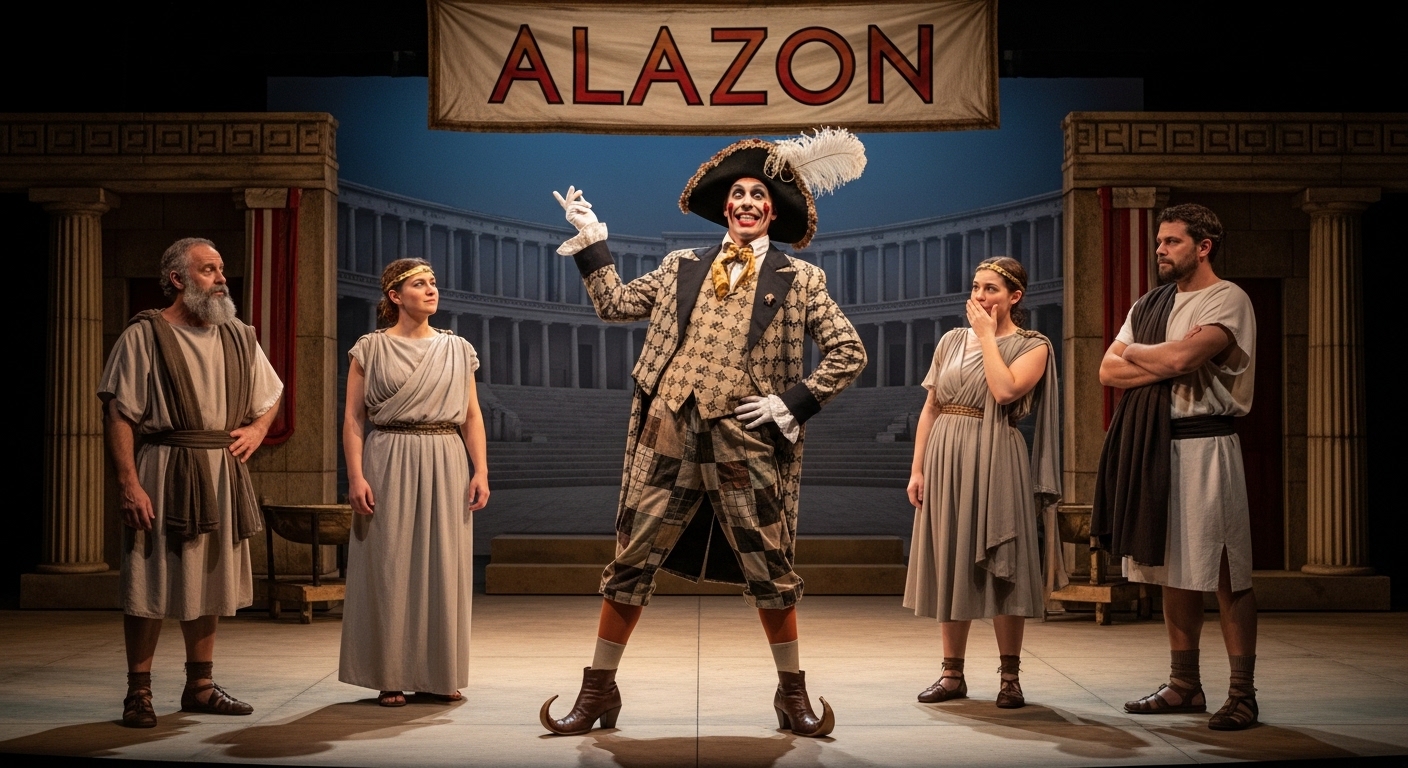
Introduction to Classical Character Types
Ancient Greek drama established fundamental character archetypes that writers continue using thousands of years after their original theatrical debuts. Furthermore, Alazon represents one such enduring character type: the boastful imposter whose pretensions ultimately lead to exposure and downfall. Consequently, understanding this archetype helps readers recognize patterns across diverse literary works from classical plays to contemporary films. Moreover, examining its origins and evolution reveals how storytelling conventions persist despite dramatic changes in culture and medium.
Origins in Ancient Greek Comedy
The Birth of Comic Archetypes
Greek playwrights developed distinct character types serving specific dramatic functions within comedic structures that audiences recognized and anticipated eagerly. Therefore, these stock characters allowed playwrights to communicate efficiently without extensive exposition, as audiences immediately understood character roles. Additionally, standardized types enabled traveling theater companies to prepare performances quickly using familiar character frameworks across different scripts. Subsequently, these archetypal patterns became foundational elements that shaped Western theatrical tradition for centuries following their initial development.
Aristotelian Comedy Theory
Aristotle analyzed comedy systematically, identifying how character types interact to create humor through contrasts between reality and pretension. Moreover, he recognized that audiences derive pleasure from watching pretentious characters receive their deserved comeuppance through plot developments. Similarly, comic structure relies on intelligent characters exposing foolish ones, creating satisfying resolutions that restore proper social order. Thus, theoretical frameworks articulated by ancient philosophers continue informing how scholars and creators understand comedy’s fundamental mechanics.
Defining Characteristics
Boastfulness and Pretension
This character type consistently overestimates abilities, knowledge, or social status while presenting false personas to impress others around them. Furthermore, excessive bragging and grandiose claims distinguish these characters from merely confident individuals who possess genuine capabilities matching claims. Additionally, the gap between stated qualities and actual abilities creates inherent comedy as audiences recognize discrepancies characters themselves miss. Consequently, boastful pretension serves as the defining trait making this archetype instantly recognizable across different cultural and temporal contexts.
False Claims of Expertise
Characters often claim specialized knowledge, skills, or credentials they don’t actually possess, creating situations where their ignorance eventually surfaces. Moreover, these false claims frequently involve impressive-sounding but ultimately meaningless jargon that masks lack of real understanding underneath. Similarly, characters may appropriate others’ accomplishments, presenting them as personal achievements to gain unearned respect and admiration. Therefore, fraudulent expertise creates dramatic tension as audiences anticipate inevitable exposure moments when reality contradicts presented facades.
Social Climbing Behavior
Many examples demonstrate obsession with status and reputation, pursuing social advancement through deception rather than genuine merit or accomplishment. Furthermore, these characters prioritize appearances over substance, believing superficial presentations matter more than actual character or achievement. Additionally, desperate attempts to associate with high-status individuals often lead to humiliating situations revealing their true positions clearly. Subsequently, social ambition combined with questionable methods creates rich material for comedy examining human vanity and pretension.
Contrast with the Eiron
The Clever Understater
Greek comedy paired boastful imposters with clever characters who downplay abilities while ultimately proving more capable than pretentious counterparts. Moreover, this ironic character type uses apparent modesty strategically, allowing opponents to underestimate them before revealing true capabilities. Similarly, the contrast between authentic humility and false boasting creates satisfying dramatic reversals when clever underdogs triumph over pompous antagonists. Thus, pairing these opposing types generates comedy through their interactions and the eventual revelation of true character.
Dramatic Function and Balance
The interplay between these contrasting types drives plot progression as clever characters systematically expose pretensions through wit and strategy. Furthermore, audiences root for understated heroes while anticipating the downfall of annoying blowhards who deserve humiliation through exposure. Additionally, this dynamic reflects broader themes about authentic virtue versus superficial pretension that resonates across different cultural contexts. Consequently, the relationship between these archetypes creates satisfying narrative structures that writers exploit for both comic and moral purposes.
Examples in Classical Literature
Plautus and Roman Comedy
Roman playwright Plautus adapted Greek comedy conventions, creating memorable boastful soldiers who claim military prowess they never actually demonstrated. Furthermore, these characters typically combine false military credentials with romantic pursuits, failing spectacularly in both domains through exposed deceptions. Moreover, servants and clever young lovers regularly outwit pompous soldiers, restoring proper romantic pairings while punishing fraudulent pretensions. Therefore, Roman comedy refined Greek archetypes while adapting them for different cultural contexts and audience expectations.
The Miles Gloriosus
The boastful soldier character from Plautus’ play exemplifies the type perfectly, combining military bragging with romantic delusions and gullibility. Additionally, this character claims impossible military victories while remaining completely oblivious to obvious plots happening around him constantly. Furthermore, his eventual humiliation involves both romantic rejection and exposure of fraudulent military claims that defined his false identity. Subsequently, this specific character became so influential that scholars reference it when discussing the archetype across literature.
Evolution Through Literary History
Medieval and Renaissance Adaptations
European medieval literature incorporated boastful character types into morality plays, romance tales, and emerging secular dramatic traditions enthusiastically. Moreover, Shakespeare created memorable examples including Falstaff, Parolles, and Malvolio who display recognizable traits from classical antecedents clearly. Similarly, Spanish picaresque novels featured confidence tricksters whose boastful deceptions drive episodic adventures ending in various forms of exposure. Thus, the archetype evolved while maintaining core characteristics that audiences recognized despite significant cultural and temporal distances.
Modern Manifestations
Contemporary literature, film, and television continue featuring characters whose pretensions and false claims create comic situations and eventual exposure. Furthermore, modern examples often add psychological complexity and occasionally sympathetic motivations absent from simpler classical character sketches. Additionally, some contemporary treatments subvert traditional patterns, occasionally allowing boastful characters to succeed or even earn redemption through growth. Consequently, while the basic archetype persists, modern creators adapt it to reflect contemporary sensibilities about character complexity and nuance.
Psychological and Social Dimensions
Understanding Imposter Syndrome
The archetype interestingly contrasts with imposter syndrome, where capable individuals irrationally doubt their legitimate accomplishments and fear exposure. Moreover, examining this contrast reveals how self-perception can distort reality in opposite directions, either inflating or deflating genuine capabilities. Similarly, both conditions involve disconnect between actual abilities and perceived competence, though with inverse relationships to objective reality. Therefore, studying literary archetypes alongside psychological phenomena provides insights into human self-assessment tendencies and their social consequences.
Social Commentary Function
Writers use boastful characters to critique social climbing, false credentials, and hollow status markers within their contemporary societies. Furthermore, exposing pretentious characters serves didactic purposes, teaching audiences to value substance over appearances in evaluating others. Additionally, these characters often represent specific professions or social classes that authors target for satirical treatment through exaggeration. Subsequently, the archetype serves both entertainment and social criticism functions that remain relevant across different cultural and historical contexts.
Writing and Analyzing Characters
Creating Believable Examples
Writers developing these characters must balance recognizable traits with sufficient originality preventing them from becoming stale stereotypes lacking interest. Moreover, providing specific details about claimed expertise or accomplishments makes characters feel authentic despite their fundamental dishonesty. Similarly, showing occasional glimpses of self-awareness or insecurity adds depth while maintaining essential characteristics defining the type. Therefore, skilled character development combines archetypal foundations with unique details creating memorable individuals rather than generic stock figures.
Avoiding Stereotypes
Contemporary writers must update classic archetypes carefully, avoiding offensive stereotypes while maintaining dramatic functions that make types useful. Furthermore, self-aware creators recognize how historical examples sometimes perpetuated problematic assumptions about gender, class, ethnicity, or other characteristics. Additionally, thoughtful adaptation can preserve comic functions while removing unnecessary stereotypical elements that modern audiences find offensive. Consequently, respectful evolution allows classic archetypes to remain useful tools without reproducing historical prejudices in contemporary works.
Pedagogical Applications
Teaching Literary Analysis
This archetype provides excellent teaching material for introducing students to character analysis, dramatic structure, and archetypal criticism methodologies. Moreover, recognizable traits make the type accessible to beginning students while offering complexity for advanced analysis and discussion. Similarly, tracing evolution across different periods and cultures demonstrates how literature both changes and maintains continuity over time. Therefore, educators frequently use this character type when teaching foundational concepts in literature courses at various levels.
Creative Writing Exercises
Writing workshops use archetypal characters as exercises helping students understand character function, development techniques, and avoiding one-dimensional characterization. Furthermore, students can practice subverting archetypes by giving traditional types unexpected traits or placing them in unusual contexts. Additionally, comparative exercises examining how different writers handle similar types develop critical thinking about artistic choices and effects. Subsequently, archetype study serves both analytical and creative pedagogical purposes in comprehensive literature and writing curricula.
Cultural Variations
Cross-Cultural Manifestations
Similar character types appear in dramatic traditions worldwide, suggesting universal human recognition of pretension and its comic potential. Moreover, comparing manifestations across cultures reveals both common patterns and interesting variations reflecting different social values and concerns. Similarly, some cultures emphasize different aspects like pomposity, false learning, or illegitimate authority depending on specific social anxieties. Therefore, cross-cultural archetype study illuminates both universal human experiences and culturally specific concerns that shape artistic expression.
Contemporary Global Examples
Modern global media circulates character types internationally, creating hybrid forms blending classical Western archetypes with local traditions. Furthermore, successful international films and television shows introduce audiences to culturally specific variations on familiar archetypal patterns. Additionally, global creative collaboration produces works synthesizing different traditions into new forms that transcend individual cultural origins. Consequently, archetypes continue evolving through cross-cultural exchange while maintaining recognizable core characteristics that facilitate international storytelling.
Thematic Significance
Truth and Deception
Stories featuring these characters explore fundamental themes about honesty, self-knowledge, and the consequences of persistent deception over time. Moreover, eventual exposure scenes typically affirm moral messages about truth’s inevitable triumph over lies regardless of clever deception. Similarly, sympathetic treatments sometimes examine psychological motivations behind pretension, complicating simple moral judgments about characters. Therefore, this archetype enables exploration of ethical questions that remain perpetually relevant across different societies and eras.
Authenticity and Performance
Contemporary treatments often explore how public performance relates to authentic identity in societies emphasizing personal branding and self-presentation. Furthermore, social media contexts create environments where line between genuine self-expression and performative pretension becomes increasingly blurred. Additionally, modern examples sometimes question whether authentic selves exist apart from performed identities we present to various audiences. Subsequently, ancient archetypes gain new relevance when examined through contemporary theoretical frameworks about identity, performance, and authenticity.
Conclusion
This enduring character type demonstrates how ancient dramatic conventions continue shaping contemporary storytelling across diverse media and cultural contexts. Ultimately, recognizable patterns persist because they articulate fundamental human experiences and social dynamics that transcend specific historical moments. Moreover, studying archetypal evolution reveals how literature simultaneously maintains tradition and adapts to changing cultural values and artistic sensibilities. Therefore, classical character types remain valuable both for creating engaging narratives and analyzing storytelling patterns across time and culture. By understanding foundational archetypes, readers and writers develop deeper appreciation for how literature communicates human experiences through recognizable patterns.