
 By Kathryn Roqueeto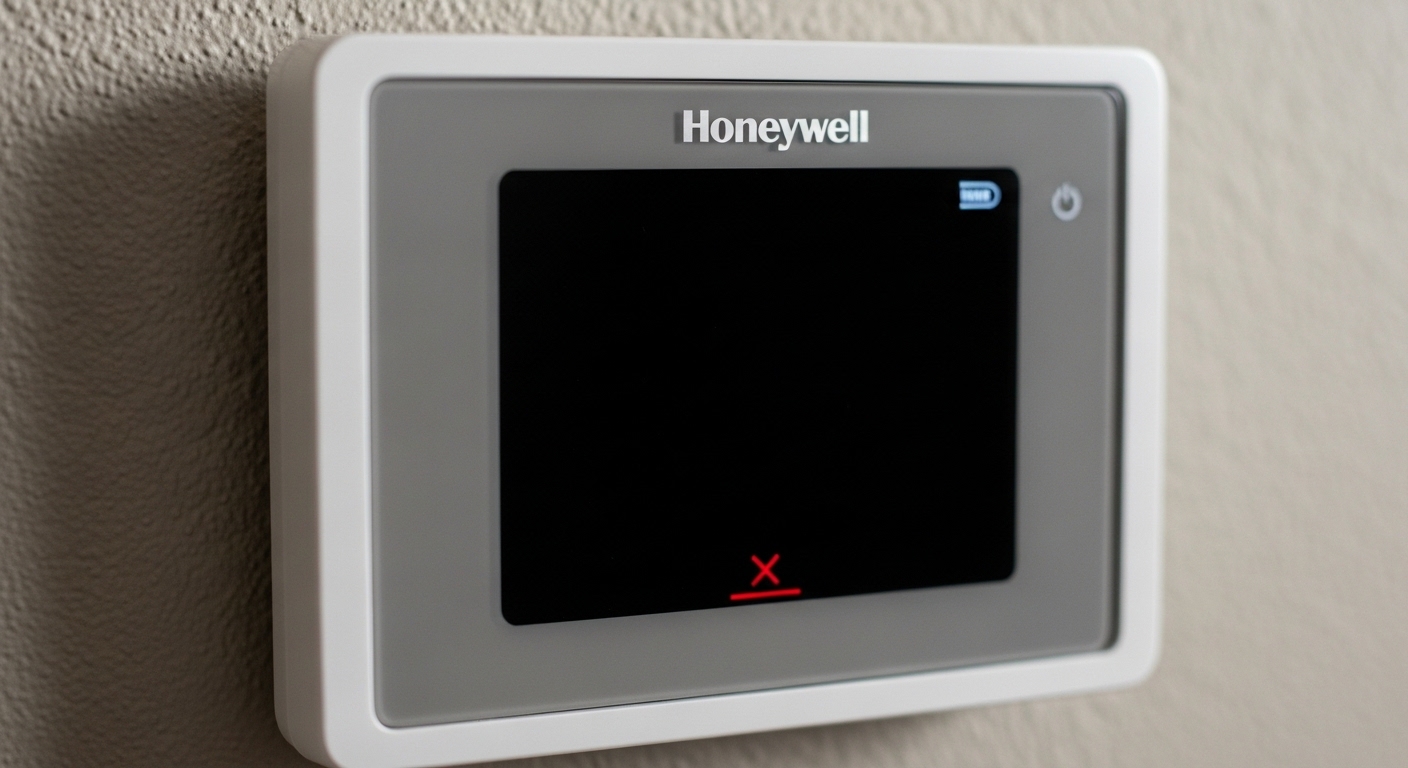
Temperature control systems occasionally malfunction, leaving homeowners frustrated when their climate control devices fail to respond or function properly. A Honeywell thermostat not working creates immediate discomfort and raises concerns about potential repair costs and system damage risks. Fortunately, many common issues stem from simple problems that homeowners can identify and resolve without professional assistance quickly. This comprehensive guide walks you through systematic troubleshooting steps that address the most frequent causes of device malfunctions effectively.
Understanding Basic System Components
Power Supply Fundamentals
Your temperature control device requires consistent electrical power to operate properly and communicate with your heating and cooling equipment. Most models receive power through low-voltage wiring connected to your HVAC system’s transformer, typically providing twenty-four volts continuously. Additionally, some newer smart models use batteries as backup power sources or primary power for wireless communication features. Understanding these power sources helps you diagnose whether electrical issues cause your device to malfunction or stop working entirely.
Control Board Connections
The internal circuit board processes temperature readings, user inputs, and system commands before sending signals to your HVAC equipment. This electronic brain coordinates heating, cooling, fan operation, and other climate control functions based on your settings and preferences. Moreover, the control board communicates with various sensors that monitor indoor temperature, humidity levels, and system performance continuously. When this component fails or loses its programming, your entire climate control system may stop responding to commands.
Wiring Configuration
Colored wires connect your temperature control device to your furnace, air conditioner, heat pump, or other climate equipment. Each wire serves a specific function: red typically carries power, white controls heating, yellow manages cooling, and green operates fans. Furthermore, additional wires may control humidifiers, dehumidifiers, heat pump reversing valves, or secondary heating stages in complex systems. Loose, corroded, or incorrectly connected wires frequently cause malfunctions that appear as complete device failures to homeowners.
Common Display Problems
Blank Screen Issues
A completely dark display often indicates power supply problems rather than total device failure, making this a relatively simple issue. First, check whether your HVAC system’s circuit breaker remains in the on position and hasn’t tripped due to electrical problems. Next, examine the furnace or air handler for an emergency shutoff switch that someone may have accidentally turned off. Additionally, replace batteries in battery-powered models, as depleted batteries prevent displays from illuminating even when hardwired power exists.
Dim or Fading Display
Screens that appear faint or difficult to read usually signal dying batteries in models that use them for display backlighting. Replace batteries promptly to restore full brightness and ensure the device continues functioning properly during power outages temporarily. Similarly, older models may experience display component degradation over time, requiring professional replacement of internal display assemblies eventually. However, before assuming hardware failure, verify that someone hasn’t accidentally activated a dimming feature or night mode setting.
Error Messages
Specific error codes appearing on your display provide valuable diagnostic information about what problems your system currently experiences. Consult your device’s manual or manufacturer’s website to decode the specific error message and understand its meaning clearly. Moreover, these codes often point directly to particular problems like communication failures, sensor malfunctions, or incorrect wiring connections. Recording error codes before attempting troubleshooting steps helps professionals diagnose issues if you eventually need to call for service.
Temperature Reading Inaccuracies
Incorrect Temperature Displays
When your device shows temperatures that don’t match actual room conditions, sensor problems or poor placement typically cause these discrepancies. Internal temperature sensors can drift out of calibration over time, especially in older units that have operated for many years. Furthermore, direct sunlight, nearby heat sources, drafts, or poor air circulation around the device distort temperature readings significantly. Relocating the device to a more representative location often resolves persistent temperature accuracy problems effectively and permanently.
Delayed Temperature Updates
Some models update temperature readings every few minutes rather than continuously, which can create apparent delays in system responses. This design conserves battery power and prevents unnecessary cycling of heating and cooling equipment that reduces efficiency and lifespan. Additionally, learning thermostats may intentionally adjust their response patterns based on your home’s heating and cooling characteristics over time. However, excessive delays beyond five or ten minutes suggest sensor problems or software glitches requiring attention and troubleshooting.
Inconsistent Readings
Temperature displays that fluctuate wildly or jump between different values indicate failing sensors or loose internal connections within the device. Electrical interference from nearby devices, damaged wiring, or moisture infiltration can also create erratic sensor behavior and unreliable readings. Consequently, these symptoms often worsen gradually over time as component degradation progresses and connections become increasingly unstable. Professional replacement typically provides the most reliable long-term solution when sensors fail beyond simple recalibration attempts.
Heating System Failures
Furnace Won’t Start
When your furnace fails to activate after the device calls for heat, several potential problems might prevent proper system operation. First, verify that the furnace’s power switch remains on and the circuit breaker hasn’t tripped due to electrical issues. Next, check the furnace filter, as severely clogged filters trigger safety switches that prevent furnace operation until airflow improves. Additionally, inspect the flame sensor for heavy corrosion or buildup that prevents proper flame detection and allows safety shutdowns.
Intermittent Heating
Heating systems that start and stop frequently or operate unpredictably often suffer from thermostat wiring problems or incorrect settings. Loose wire connections create intermittent electrical contact that causes erratic system behavior and unreliable heating performance throughout your home. Similarly, incorrect heat anticipator settings in older mechanical models cause short-cycling that reduces comfort and efficiency significantly. Moreover, furnace problems like failing limit switches or malfunctioning gas valves can mimic thermostat issues, requiring professional diagnosis.
No Heat Despite Running
Furnaces that run continuously without producing adequate heat suggest problems with the heating equipment itself rather than the control device. However, incorrect thermostat settings like system mode set to “cool” or fan set to “on” instead of “auto” create confusion. Additionally, dual-fuel systems might have incorrect staging settings that prevent backup heating sources from activating during extreme cold weather. Verify all settings match your intended operation before assuming expensive equipment repairs will be necessary for proper functioning.
Cooling System Failures
Air Conditioner Won’t Start
Cooling equipment that fails to activate when your device calls for cooling requires systematic troubleshooting to identify the problem source. Begin by confirming that the outdoor unit’s disconnect switch remains on and its dedicated circuit breaker hasn’t tripped recently. Furthermore, check the condensate drain pan and float switch, as water backup triggers safety switches that prevent compressor operation. Additionally, low refrigerant levels or frozen evaporator coils prevent normal cooling operation and require professional service to resolve properly.
Weak or Inconsistent Cooling
Air conditioning systems that run but fail to cool effectively might have refrigerant leaks, dirty coils, or inadequate airflow issues. However, thermostat placement near heat sources like lamps or sunny windows can cause premature system shutdowns before reaching desired temperatures. Moreover, incorrectly calibrated temperature sensors may read indoor temperatures inaccurately, preventing the system from running long enough. Testing the device in different locations temporarily can help determine whether placement issues contribute to poor cooling performance.
Short Cycling Problems
Cooling systems that start and stop frequently waste energy, reduce comfort, and accelerate equipment wear through excessive cycling. Oversized equipment, refrigerant overcharging, or dirty air filters commonly cause this problem independently of thermostat issues entirely. However, certain thermostat settings like very narrow temperature differentials or overly aggressive cycling rates can contribute to short-cycling behavior. Additionally, heat anticipator adjustments in older models or cycle rate settings in programmable versions may require modification for optimal performance.
Smart Device Connectivity Issues
WiFi Connection Failures
Smart thermostats that lose internet connectivity cannot receive remote commands, update weather data, or synchronize with other smart home devices. First, verify that your home’s WiFi network operates normally and other devices can connect without problems or interruptions. Next, ensure the device remains within adequate range of your wireless router, as weak signals cause intermittent connectivity problems. Moreover, network changes like new router passwords or updated security settings require manual reconfiguration of the device’s wireless settings.
App Communication Problems
Mobile applications that fail to communicate with your device frustrate users who rely on remote access and monitoring capabilities. Update your smartphone app to the latest version, as outdated software may lack compatibility with recent firmware updates. Similarly, verify that you’ve granted the app necessary permissions for location services, notifications, and background operation on your phone. Additionally, signing out of your account completely and signing back in often resolves authentication problems causing communication failures.
Voice Assistant Integration
Devices that worked previously with Alexa, Google Assistant, or other voice platforms may stop responding after software updates or changes. Relink your device through the voice assistant’s companion app to re-establish proper authorization and communication between services and platforms. Furthermore, ensure voice commands use exact device names as configured in the thermostat’s settings rather than informal or nickname variations. Moreover, some advanced features require specific subscription levels or compatible smart home hub devices for full functionality across platforms.
Programming and Schedule Problems
Lost Schedule Settings
Schedules that disappear or revert to default settings often result from power interruptions that clear device memory in non-volatile storage. Replace backup batteries immediately if your model uses them, as depleted batteries cause memory loss during brief power fluctuations. Additionally, firmware updates occasionally reset programmed schedules to factory defaults, requiring users to reprogram their preferences afterward completely. Consequently, photographing your schedule settings or saving them through manufacturer apps provides backup copies for quick restoration when needed.
Incorrect Time Display
Accurate timekeeping ensures that scheduled temperature changes occur at appropriate times throughout your daily routine and weekly patterns. Manual-set clocks may lose time gradually or experience sudden jumps due to internal clock component degradation over many years. However, smart models that synchronize with internet time servers should maintain perfect accuracy unless network connectivity problems exist. Moreover, remember to verify daylight saving time settings match your local area’s observance of seasonal time changes correctly.
Override Function Confusion
Many users accidentally place their devices into permanent hold or vacation mode, preventing scheduled temperature changes from occurring automatically. Temporary overrides that don’t expire as expected confuse users who assume their devices have malfunctioned when programmed schedules stop working. Furthermore, learning thermostats may automatically adjust schedules based on detected occupancy patterns, creating apparent discrepancies from originally programmed settings. Review your device’s current operating mode and any active holds before assuming programming problems require troubleshooting or professional service.
Basic Troubleshooting Steps
Power Cycle Procedure
Completely removing and restoring power often resolves temporary software glitches or frozen processors causing unresponsive behavior in electronic devices. Turn off the circuit breaker controlling your HVAC system for three full minutes, allowing capacitors to discharge completely and memory to clear. Next, remove batteries from battery-powered models during this waiting period to ensure complete power removal from all device circuits. Finally, restore power by turning on the breaker and reinserting batteries, then wait several minutes for full system initialization.
Settings Verification
Systematically review all device settings to confirm proper configuration before assuming hardware failures require expensive repairs or replacements. Verify the system mode matches your current needs: heat for winter, cool for summer, auto for year-round automatic switching. Additionally, check fan settings, ensuring “auto” mode allows the fan to cycle with heating and cooling rather than running continuously. Moreover, confirm temperature set points match your comfort preferences and any holds or overrides haven’t accidentally engaged without your knowledge.
Filter Replacement
Dirty air filters restrict airflow so severely that safety switches prevent HVAC equipment operation, mimicking thermostat failures to uninformed homeowners. Check your system’s filter monthly and replace it every one to three months depending on usage, pets, and air quality. Furthermore, improved airflow after filter replacement often resolves multiple problems simultaneously, including weak heating, poor cooling, and high energy bills. This simple maintenance task ranks among the most important things homeowners can do for system reliability and efficiency.
When to Call Professionals
Electrical Safety Concerns
Any situation involving exposed wires, burning smells, sparking, or repeated circuit breaker trips requires immediate professional attention for safety. Electrical problems can cause fires, equipment damage, or dangerous shock hazards that untrained individuals should never attempt to repair themselves. Moreover, local electrical codes may require licensed electricians to perform certain repairs to maintain insurance coverage and building code compliance. Therefore, prioritize safety over cost savings when dealing with potential electrical hazards in your home’s climate control systems.
Warranty Considerations
Attempting repairs yourself may void manufacturer warranties or installation guarantees that would otherwise cover repair costs under specific circumstances. Review warranty documentation before undertaking any invasive troubleshooting procedures or component replacements that might jeopardize coverage eligibility permanently. Additionally, some manufacturers require authorized technicians to perform warranty repairs and may reject claims for units serviced by unauthorized individuals. Consequently, protecting valuable warranty coverage often justifies paying for professional diagnosis even when problems seem simple or straightforward.
Complex System Problems
HVAC systems with multiple heating stages, heat pumps, humidifiers, or zoned temperature control require specialized knowledge for proper diagnosis. The interaction between various components creates troubleshooting complexity that overwhelms typical homeowner knowledge and available diagnostic tools completely. Furthermore, misdiagnosis leads to unnecessary part replacements and wasted money without actually resolving the underlying problems causing system malfunctions. Therefore, complex system problems justify professional service calls from trained technicians with appropriate testing equipment and manufacturer-specific training.
Preventive Maintenance Tips
Regular Cleaning
Dust and debris accumulation on your device and surrounding areas affect temperature sensor accuracy and device appearance over time. Gently clean the device’s exterior monthly using soft, dry cloths that won’t scratch displays or damage sensitive surfaces. Additionally, ensure adequate clearance around the device by removing nearby furniture, curtains, or decorations that obstruct airflow across temperature sensors. Moreover, vacuum floor registers and return air grilles regularly to maintain proper system airflow and prevent dust buildup throughout ducts.
Battery Replacement Schedule
Replace backup batteries annually during heating season preparation rather than waiting for low battery warnings that risk unexpected failures. Fresh batteries ensure reliable operation during power outages and prevent memory loss that erases programmed schedules and custom settings. Furthermore, installing batteries before cold weather arrives prevents emergency situations where depleted batteries leave you without heat during freezing conditions. Consequently, this inexpensive preventive measure provides peace of mind and protects against inconvenient failures at the worst possible times.
Professional Inspections
Schedule annual HVAC system inspections before each heating season to identify developing problems before they cause complete system failures. Qualified technicians examine all system components, including control devices, wiring connections, safety switches, and mechanical equipment during comprehensive inspections. Additionally, professionals can optimize system settings, update firmware, calibrate sensors, and clean components that homeowners cannot safely access themselves. These preventive service calls typically cost far less than emergency repairs and help extend equipment lifespan through proper maintenance.
Conclusion
Temperature control device problems range from simple power issues to complex system failures requiring professional diagnosis and repair services. However, homeowners can resolve many common problems independently through systematic troubleshooting and basic maintenance procedures outlined throughout this guide. Understanding how these devices work empowers you to make informed decisions about whether problems warrant professional service calls. Moreover, regular maintenance and prompt attention to minor issues prevent small problems from escalating into expensive emergency repairs later. By following these troubleshooting steps carefully, you can restore comfort to your home while minimizing repair costs effectively.