
 By Kathryn Roqueeto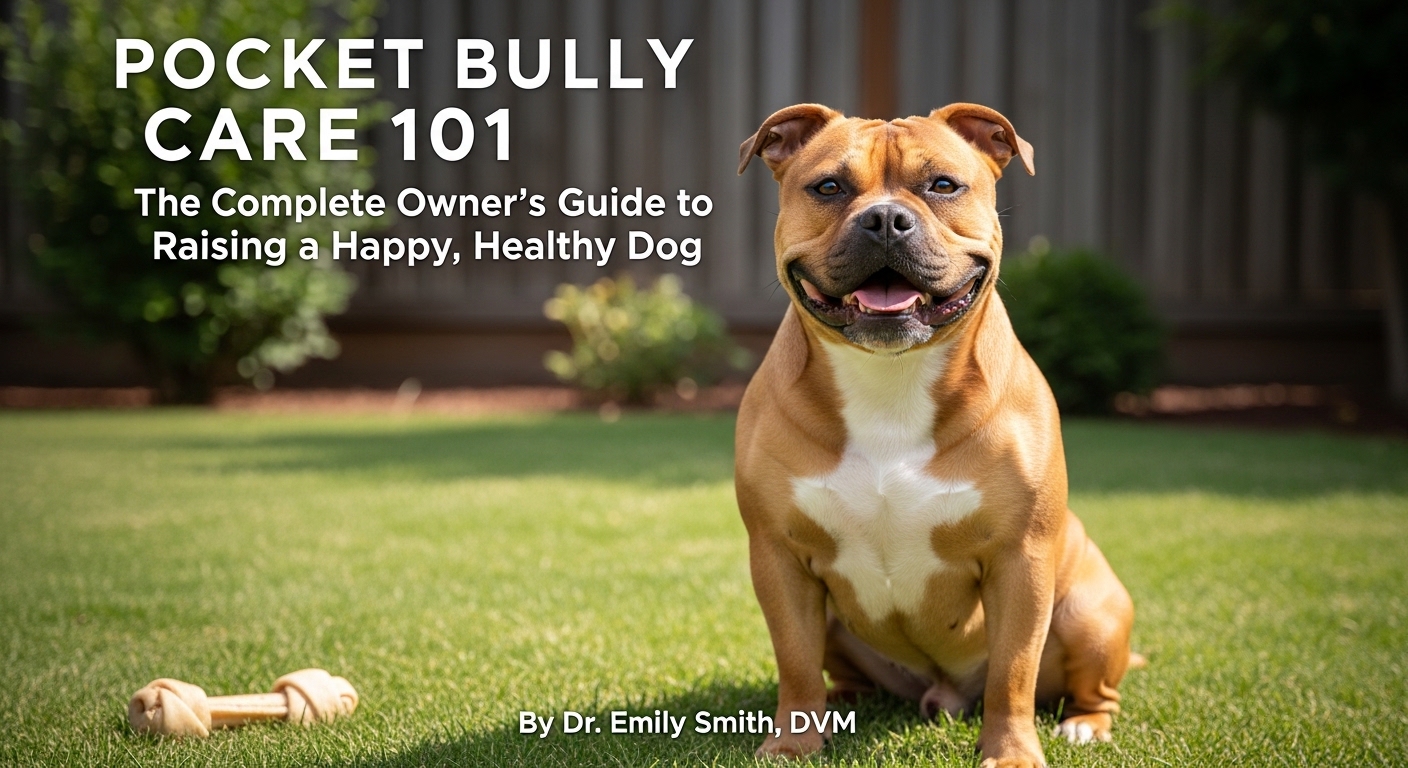
Introduction
Bringing a compact, muscular, and deeply affectionate dog into your home requires genuine commitment, consistent effort, and informed care from day one. Pocket Bully Care 101 covers every essential aspect of raising this remarkable breed with confidence, compassion, and the right practical knowledge. Therefore, this guide walks you through feeding, training, grooming, health management, and socialization in comprehensive and actionable detail. Furthermore, whether you just brought your first puppy home or want to improve your existing routine, this guide delivers everything you need completely.
Understanding the Pocket Bully Breed
What Exactly Is a Pocket Bully?
The Pocket Bully is a compact variation of the American Bully breed, selectively developed for a smaller and stockier build. Despite the name, this dog does not actually fit in a pocket and typically stands between twelve and sixteen inches tall. Moreover, the breed combines the muscular physique of the American Pit Bull Terrier with a noticeably gentler and more affectionate temperament. Consequently, families, singles, and experienced dog owners across the world have embraced this breed with enormous enthusiasm and devotion.
Temperament and Personality Traits
This breed consistently demonstrates loyalty, playfulness, affection, and a surprisingly gentle nature despite its powerful and imposing physical appearance. Pocket Bullies form incredibly strong bonds with their human families and thrive on consistent attention, interaction, and companionship daily. Furthermore, they generally get along well with children when properly socialized from an early age and handled responsibly. Therefore, understanding their deeply social and people-oriented nature helps owners create environments where these dogs genuinely flourish and feel secure.
Common Misconceptions About the Breed
Many people incorrectly assume that muscular and compact Bully breeds carry inherently aggressive or dangerous behavioral tendencies automatically. However, responsible breeding, proper socialization, and consistent training produce dogs that are calm, friendly, and remarkably well-mannered consistently. Moreover, aggression in any dog breed typically reflects poor ownership, inadequate socialization, or specific environmental stressors rather than genetics alone. Consequently, educating yourself and others about this breed’s true temperament helps combat unfair stigma and promotes responsible ownership broadly.
Setting Up Your Home for a Pocket Bully
Creating a Safe and Comfortable Living Space
Before bringing your new dog home, thoroughly inspect your living space for potential hazards that could cause injury. Secure loose electrical cables, remove toxic plants, and ensure small objects that pose choking risks stay completely out of reach. Furthermore, designate a specific resting area with a comfortable, supportive bed that accommodates the breed’s muscular and compact body structure. Consequently, a well-prepared home reduces stress for both the dog and the owner during those critical early adjustment days.
Essential Supplies to Have Ready
Every new owner should gather essential supplies before their Pocket Bully arrives to ensure a smooth and stress-free transition. A sturdy harness, appropriate-sized food and water bowls, high-quality chew toys, and grooming tools all belong on your preparation list. Moreover, investing in a durable crate from the beginning supports crate training and gives your dog a secure personal retreat space. Therefore, having everything ready on day one signals genuine preparedness and sets a positive tone for the entire ownership experience.
Indoor Versus Outdoor Living Considerations
Pocket Bullies thrive indoors as genuine family members rather than outdoor or kennel-based dogs kept at a physical distance. Their short single-layered coat provides minimal insulation against cold temperatures, making indoor living a health and comfort necessity. Furthermore, close physical proximity to their human family members satisfies their powerful social needs and prevents anxiety-driven behavioral problems. Consequently, owners who keep their dogs indoors and integrate them into daily family life consistently report calmer, happier, and better-behaved animals.
Feeding and Nutrition for Pocket Bullies
Understanding Their Unique Nutritional Needs
The Pocket Bully’s compact but densely muscular body requires a diet rich in high-quality protein to maintain and support muscle mass. Protein sources like chicken, beef, fish, and turkey should appear as the primary ingredients in any food you select. Moreover, healthy fats support coat health, brain function, and overall cellular energy, making them an essential dietary component. Therefore, reading ingredient labels carefully and choosing foods where protein leads the formulation ensures your dog receives optimal nutritional support.
How Much to Feed Daily
Portion sizes depend on your dog’s age, weight, activity level, and the specific caloric density of your chosen food product. Most adult Pocket Bullies thrive on two measured meals daily rather than free-feeding, which can quickly lead to obesity. Furthermore, consulting your veterinarian for breed-specific portion guidance ensures you meet your individual dog’s unique metabolic and energy requirements. Consequently, consistent meal timing and measured portions support digestive health, stable energy levels, and healthy weight management throughout every life stage.
Puppy Feeding Versus Adult Feeding
Puppies require more frequent meals and higher protein and fat concentrations to support their rapid growth and development. Feeding puppies three to four times daily until six months of age provides the sustained energy their developing bodies demand. Moreover, transitioning gradually to adult formulations around twelve months prevents digestive upset and supports smooth nutritional adaptation. Therefore, adjusting feeding frequency and formulation as your dog matures ensures consistent nutritional support across every important developmental stage.
Foods to Strictly Avoid
Several common human foods pose serious and potentially life-threatening risks to your dog’s health and must stay completely inaccessible. Chocolate, grapes, raisins, onions, garlic, xylitol, and macadamia nuts all cause toxic reactions in dogs of every breed. Furthermore, cooked bones splinter dangerously and can cause internal lacerations or serious digestive obstruction requiring emergency veterinary intervention. Consequently, maintaining strict awareness of toxic foods and securing your kitchen effectively protects your dog from entirely preventable health emergencies.
Supplements Worth Considering
Certain supplements can meaningfully support your Pocket Bully’s health when used appropriately alongside a complete and balanced diet. Omega-3 fatty acids from fish oil promote coat shine, reduce inflammation, and support cardiovascular and cognitive health simultaneously. Moreover, joint supplements containing glucosamine and chondroitin help support the skeletal system under the stress of carrying significant muscle mass. Therefore, discussing appropriate supplementation options with your veterinarian ensures you support your dog’s health proactively and safely throughout their entire life.
Exercise Requirements and Physical Activity
Daily Exercise Needs
Despite their compact size, Pocket Bullies carry significant muscle mass and possess substantial energy levels requiring consistent daily outlet. Adults generally benefit from at least thirty to sixty minutes of moderate physical activity spread across two daily exercise sessions. Furthermore, regular exercise prevents boredom-driven destructive behaviors like excessive chewing, digging, and persistent vocalization that frustrate many owners. Consequently, establishing a consistent and engaging daily exercise routine benefits both the dog’s physical health and the owner’s peace of mind significantly.
Best Types of Exercise for This Breed
Brisk walking, jogging, fetch sessions, tug of war, and structured play in securely fenced areas all suit this breed perfectly. These activities engage both the muscular body and the active mind, delivering comprehensive physical and mental stimulation simultaneously. Moreover, swimming provides an excellent low-impact exercise option that builds endurance without placing excessive stress on joints and ligaments. Therefore, varying exercise types keeps your dog mentally stimulated, physically challenged, and genuinely enthusiastic about daily activity sessions consistently.
Exercise Caution in Extreme Weather
The Pocket Bully’s short muzzle and compact respiratory anatomy make extreme heat particularly dangerous and potentially life-threatening for this breed. Always exercise during cooler morning or evening hours during summer and watch carefully for signs of overheating throughout. Furthermore, in cold weather, a well-fitted dog coat provides necessary insulation during outdoor activity sessions in low temperatures. Consequently, adjusting exercise timing and intensity according to weather conditions keeps your dog safe, comfortable, and healthy across all seasons.
Mental Stimulation as Exercise
Physical exercise alone does not fully satisfy this intellectually curious and highly engaged breed’s complete stimulation requirements. Puzzle feeders, interactive toys, scent games, and training sessions all provide essential mental challenges that tire and satisfy the mind. Moreover, mental stimulation reduces stress hormones, prevents boredom-related behavioral issues, and deepens the bond between owner and dog meaningfully. Therefore, integrating regular mental challenges into your daily routine alongside physical exercise creates a comprehensively fulfilled and well-balanced dog.
Training Your Pocket Bully
Starting Training Early
Beginning basic obedience training during the puppy stage establishes communication patterns and behavioral expectations that shape the dog’s entire future. Young puppies absorb new information rapidly, making early training sessions extraordinarily effective and deeply impactful on long-term behavior. Furthermore, early training also helps puppies develop impulse control, which proves essential given this breed’s physical strength and enthusiastic personality. Consequently, owners who invest in consistent early training enjoy dramatically better-behaved and more responsive adult dogs throughout the relationship.
Positive Reinforcement Techniques
Positive reinforcement using treats, praise, play, and affection produces faster, more reliable, and more joyful training results consistently. This breed responds enthusiastically to reward-based methods because their people-pleasing nature drives them to seek and repeat behaviors that earn approval. Moreover, harsh corrections and punitive training methods damage trust, create anxiety, and produce inconsistent behavioral results that frustrate both parties. Therefore, building a training relationship founded entirely on positivity, patience, and consistent reward creates a confident and genuinely well-trained companion.
Essential Commands to Teach First
Sit, stay, come, leave it, and down represent the five foundational commands every Pocket Bully owner should prioritize teaching immediately. These commands form the basis of effective communication and create the behavioral framework that all advanced training builds upon. Furthermore, mastering these basics gives your dog clear expectations and reduces the confusion that often drives problematic and frustrating behaviors. Consequently, consistent daily practice of these core commands builds reliability, responsiveness, and mutual understanding between you and your dog steadily.
Addressing Stubbornness and Strong Will
This breed occasionally demonstrates a stubborn streak that challenges less experienced owners during training sessions and daily interactions. Short, frequent training sessions of five to ten minutes maintain focus and prevent the frustration that longer sessions sometimes produce. Moreover, ending every session on a successful note preserves motivation and ensures your dog associates training with positive and rewarding experiences. Therefore, patience, creativity, and consistency overcome stubborn tendencies far more effectively than frustration or repeated forceful corrections ever could.
Leash Training and Public Behavior
Teaching loose-leash walking early prevents the problematic pulling behavior that this breed’s considerable strength can otherwise make genuinely dangerous. A front-clip harness gives owners better directional control while protecting the dog’s neck from pressure-related injury during walks. Furthermore, practicing calm behavior around other dogs, people, and environmental stimuli from puppyhood builds the reliable public manners every owner desires. Consequently, a well-leash-trained Pocket Bully becomes a genuine pleasure to take out in public rather than a management challenge.
Socialization: Building a Confident and Friendly Dog
Why Early Socialization Matters Enormously
Proper socialization during the critical developmental window between three and fourteen weeks shapes your dog’s entire behavioral future profoundly. Exposing puppies to diverse people, animals, environments, sounds, and textures during this period builds genuine confidence and reduces fearfulness. Moreover, well-socialized dogs handle novel situations with calm curiosity rather than anxiety or defensive reactivity throughout their lives. Therefore, treating early socialization as an absolute priority rather than an optional extra produces enormously more stable and enjoyable adult dogs.
How to Socialize Effectively
Introduce new experiences gradually, always ensuring your puppy feels safe, comfortable, and positively reinforced during each new encounter. Puppy classes, dog-friendly parks, busy public spaces, and regular visitor interactions at home all provide valuable socialization opportunities. Furthermore, pairing every new experience with high-value treats and enthusiastic praise creates positive emotional associations that build lasting confidence. Consequently, puppies who experience the world as a safe and rewarding place develop into genuinely friendly and emotionally resilient adult dogs.
Socializing with Other Dogs and Animals
Early and positive experiences with other dogs teach your Pocket Bully appropriate play behavior, body language reading, and social boundaries. Supervised playdates with vaccinated, temperamentally stable dogs provide safe and controlled socialization experiences during the critical early months. Moreover, introducing cats, smaller animals, and other household pets gradually and carefully under supervision minimizes conflict and builds peaceful coexistence. Therefore, thoughtful multi-animal introductions managed with patience and positive reinforcement create harmonious multi-pet households most of the time.
Grooming and Coat Care
Understanding the Pocket Bully Coat
This breed sports a short, smooth, single-layered coat that requires far less maintenance than many longer-coated breeds demand. However, despite its simplicity, the coat still requires regular attention to maintain its health, shine, and cleanliness effectively. Moreover, regular grooming sessions serve a dual purpose by maintaining coat condition and providing valuable bonding opportunities between owner and dog. Consequently, establishing a consistent grooming routine from puppyhood ensures your dog accepts and eventually enjoys the entire process comfortably.
Weekly Brushing Routine
Brushing the coat once or twice weekly with a rubber curry brush or soft-bristle brush removes loose hair and distributes natural skin oils. This simple routine keeps the coat looking healthy, reduces shedding around the home, and stimulates healthy circulation in the skin. Furthermore, regular brushing gives you the opportunity to inspect the skin carefully for any unusual lumps, rashes, or parasites. Therefore, weekly brushing serves as both a cosmetic practice and an important component of your overall health monitoring routine.
Bathing Frequency and Products
Bathing every four to six weeks using a gentle, dog-specific shampoo keeps the coat clean without stripping essential natural oils. Over-bathing disrupts the skin’s natural protective barrier and can trigger dryness, irritation, and uncomfortable itching. Moreover, some Pocket Bullies have sensitive skin that benefits from hypoallergenic or oatmeal-based shampoo formulations specifically. Consequently, choosing bathing products thoughtfully and maintaining an appropriate bathing schedule protects skin health and maintains coat quality effectively year-round.
Nail Trimming, Ear Cleaning, and Dental Care
Nail trimming every two to three weeks prevents painful overgrowth that affects posture, gait, and long-term joint health. Cleaning ears weekly with a veterinarian-approved solution prevents the moisture buildup that encourages painful yeast and bacterial infections. Furthermore, brushing your dog’s teeth several times weekly with dog-specific toothpaste dramatically reduces the risk of periodontal disease and associated systemic health issues. Therefore, committing to these three often-neglected grooming tasks protects your dog’s comfort, health, and quality of life significantly over time.
Health Management and Veterinary Care
Common Health Issues in the Breed
Pocket Bullies face several breed-specific health challenges that informed owners should understand, monitor, and address proactively throughout their dog’s life. Hip dysplasia, elbow dysplasia, and joint problems occur more frequently in heavily muscled compact breeds carrying significant body weight. Furthermore, some individuals experience skin allergies, hypothyroidism, and eye conditions that require veterinary diagnosis and ongoing management. Consequently, selecting a reputable breeder who conducts health screenings and provides health clearances significantly reduces the risk of inheriting serious genetic conditions.
Brachycephalic Considerations
Some Pocket Bullies inherit slightly shortened muzzle structures that can affect breathing efficiency during exercise and in warm conditions. Owners should monitor breathing patterns carefully and avoid strenuous exercise during hot weather to prevent respiratory distress. Moreover, veterinarians can assess whether surgical intervention would improve breathing quality and overall quality of life in severely affected individuals. Therefore, understanding and managing brachycephalic-related concerns proactively ensures your dog remains comfortable and breathes as efficiently as possible throughout their life.
Vaccination and Parasite Prevention Schedule
Following your veterinarian’s recommended vaccination schedule protects your dog against serious and potentially fatal infectious diseases reliably. Core vaccinations including distemper, parvovirus, adenovirus, and rabies form the essential foundation of every dog’s preventive healthcare program. Furthermore, regular flea, tick, and heartworm prevention protects against parasites that cause significant discomfort and serious systemic illness. Consequently, staying current with all preventive healthcare measures protects your dog’s health and prevents expensive emergency veterinary interventions later.
Regular Veterinary Check-Ups
Scheduling veterinary examinations every six to twelve months allows early detection of developing health issues before they become serious problems. Routine blood work, dental assessments, and physical examinations provide comprehensive insight into your dog’s overall health status regularly. Moreover, building a trusting relationship with a veterinarian familiar with Bully breeds ensures your dog receives breed-appropriate and genuinely informed healthcare consistently. Therefore, treating regular check-ups as non-negotiable appointments rather than optional extras demonstrates genuine commitment to your dog’s lifelong wellbeing.
Weight Management and Obesity Prevention
Maintaining a healthy body weight is critically important for this breed given the significant joint stress that excess weight creates. Regularly assessing your dog’s body condition by feeling for rib definition and observing waist definition helps monitor weight effectively. Furthermore, adjusting food portions promptly when weight gain begins prevents the compounding health consequences that obesity causes over time. Consequently, proactive weight management protects joint health, cardiovascular function, and overall longevity far more effectively than reactive intervention after problems develop.
Building a Strong Bond With Your Pocket Bully
Quality Time and Affection
This breed thrives on close physical contact, consistent attention, and regular expressions of affection from their primary human companions. Daily cuddle sessions, interactive play, and simply spending relaxed time together strengthens the emotional bond between owner and dog. Moreover, dogs who receive consistent affection and attention demonstrate lower stress levels and more stable, confident behavioral patterns overall. Therefore, treating your dog as a genuine family member rather than simply a pet creates a relationship of extraordinary mutual loyalty and love.
Understanding Your Dog’s Communication
Learning to read your dog’s body language accurately prevents misunderstandings and helps you respond appropriately to their needs and feelings. Tail position, ear carriage, body posture, and facial expressions all communicate important information about your dog’s emotional state. Furthermore, understanding stress signals early allows you to remove your dog from uncomfortable situations before anxiety escalates into defensive reactions. Consequently, owners who invest time in learning canine body language build relationships characterized by genuine mutual understanding and deep trust.
Consistency as the Foundation of Trust
Dogs fundamentally depend on consistency in rules, routines, expectations, and responses to feel genuinely secure and emotionally stable. Inconsistent rules confuse dogs and create anxiety that often manifests as problematic behavioral patterns difficult to address later. Moreover, every family member should apply the same rules and boundaries to prevent the confusion that mixed messages create. Therefore, establishing clear household rules from day one and applying them consistently builds the predictable environment where this breed genuinely flourishes.
Responsible Ownership and Breed Advocacy
Combating Breed Stereotypes
Every Pocket Bully owner carries a responsibility to represent the breed positively through their dog’s behavior and public conduct. A well-trained, well-socialized, and calmly handled dog challenges negative stereotypes more effectively than any argument or written advocacy. Furthermore, engaging patiently and informatively with people who hold misconceptions about Bully breeds helps shift public perception gradually and meaningfully. Consequently, responsible ownership serves as the most powerful and credible form of breed advocacy available to every individual owner.
Choosing a Responsible Breeder
Selecting a breeder who prioritizes health, temperament, and ethical breeding practices over appearance or profit protects future generations significantly. Reputable breeders conduct health screenings, provide health guarantees, socialize puppies thoroughly, and welcome questions from prospective owners openly. Moreover, visiting breeding facilities in person, meeting parent dogs, and reviewing health documentation helps identify genuinely responsible breeders confidently. Therefore, investing time in breeder research before purchasing protects both your investment and the long-term health of the breed overall.
Considering Adoption
Numerous Pocket Bullies and Bully-type dogs wait in shelters and breed-specific rescues for loving and informed forever homes. Adopting provides a deserving dog with a second chance while simultaneously supporting shelter organizations doing vital community work. Furthermore, many rescue dogs arrive already house-trained, vaccinated, and behaviorally assessed, making the transition to home life smoother. Consequently, adoption represents a profoundly rewarding alternative to purchasing that many experienced Bully owners enthusiastically advocate for and recommend.
Conclusion
Raising a healthy, happy, and well-balanced Pocket Bully requires consistent effort, informed decision-making, genuine affection, and lifelong commitment from every owner. This guide has covered feeding, training, grooming, health management, socialization, and responsible ownership in comprehensive and practical detail throughout. Furthermore, every section reflects the understanding that truly excellent dog ownership combines knowledge, patience, consistency, and an authentic emotional investment in the animal’s wellbeing. Consequently, owners who apply these principles thoughtfully will enjoy an extraordinary, deeply rewarding, and genuinely life-enriching relationship with their remarkable companion.
Moreover, this breed rewards good ownership with a loyalty, affection, and companionship that few other breeds can genuinely match or equal. Therefore, approaching every aspect of care with the same dedication and love that your dog naturally brings to every single day creates something truly special. This breed deserves nothing less than the very best ownership possible, and this complete guide exists to help every owner deliver exactly that.