
 By Kathryn Roqueeto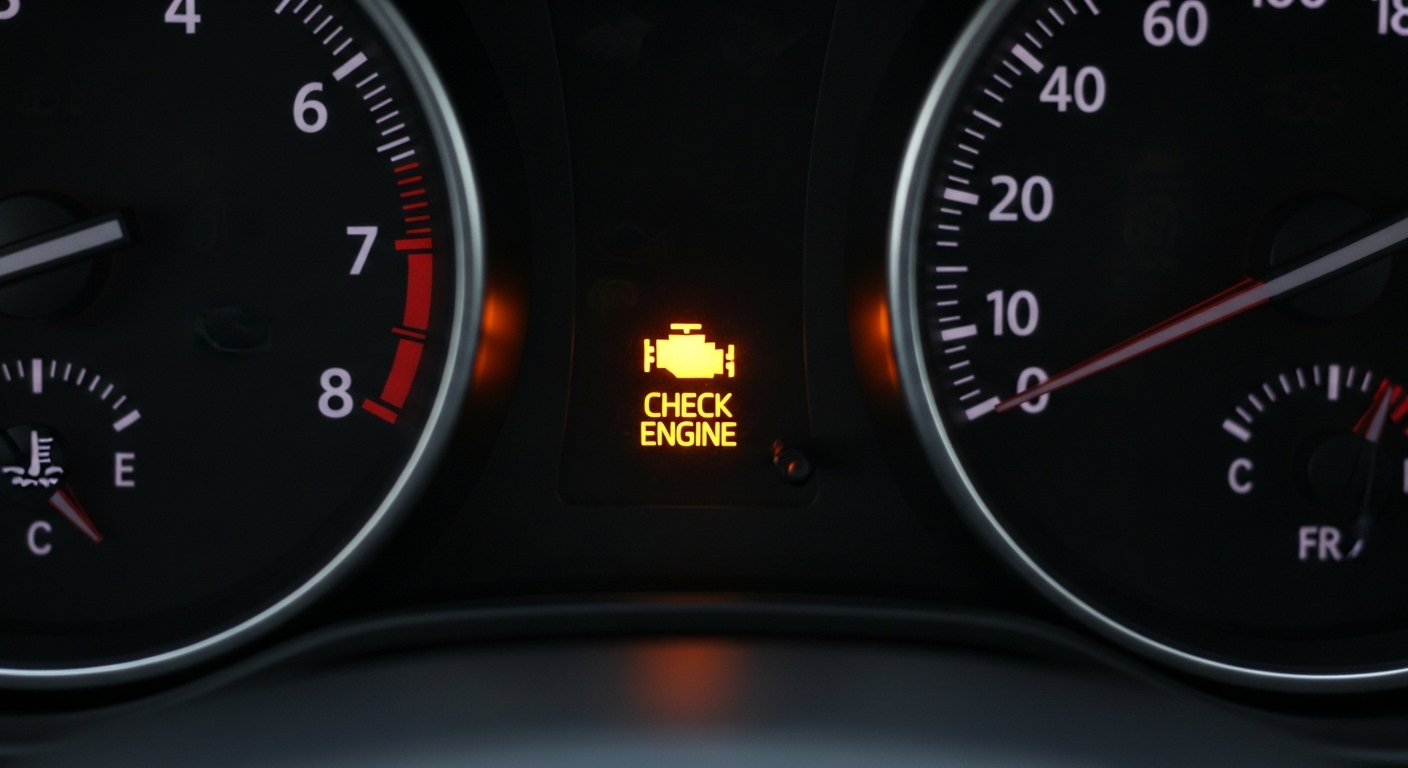
Introduction: That Small Light With a Big Message
Drivers across the world experience a sudden jolt of anxiety the moment the check engine light appears on their dashboard unexpectedly. This small amber symbol carries significant meaning and deserves your immediate attention every single time it activates. Furthermore, ignoring this warning often transforms a minor and inexpensive fix into a devastating and costly mechanical failure down the road. Additionally, many drivers make the mistake of assuming the light signals something catastrophic when it often does not. However, treating it casually or covering it with tape creates far more serious problems than addressing it promptly and confidently. Therefore, understanding this warning light gives every driver a powerful advantage in protecting their vehicle and their wallet.
What the Check Engine Light Actually Tells You
Your vehicle’s onboard diagnostic system monitors hundreds of sensors and components simultaneously during every single drive you take. Furthermore, when any sensor detects a reading outside its programmed acceptable range, the system immediately stores a fault code internally. Additionally, that stored fault code triggers the amber warning light you see glowing on your dashboard right away. Consequently, the light itself does not identify the exact problem — it simply signals that something needs professional investigation soon. Moreover, modern vehicles store these codes in memory even after the light disappears temporarily on its own. Therefore, retrieving and reading those stored codes remains the only reliable way to understand what your vehicle needs.
The Difference Between Steady and Flashing Signals
A steady light and a flashing light communicate two entirely different levels of urgency to the attentive driver immediately. Furthermore, a steady amber light typically indicates a non-emergency issue that still requires timely diagnosis and professional attention. In addition, a flashing or blinking light signals an active misfire that could seriously damage your catalytic converter within minutes. Consequently, a flashing light demands that you reduce speed, avoid hard acceleration, and visit a mechanic immediately without delay. Moreover, driving aggressively with a flashing warning light can turn a $300 repair into a $1,500 replacement very quickly. Therefore, recognizing this distinction could save you significant money and prevent unnecessary mechanical damage to your entire exhaust system.
Common Reasons This Warning Light Activates
Dozens of different issues can trigger this warning light, ranging from completely harmless to genuinely serious mechanical problems. Furthermore, a loose or damaged gas cap ranks among the most common and easily fixable causes drivers encounter regularly. Additionally, oxygen sensors, mass airflow sensors, and catalytic converters frequently generate fault codes in aging vehicles across all brands. Consequently, spark plug failures, vacuum leaks, and faulty exhaust gas recirculation valves also trigger this warning with surprising frequency. Moreover, transmission issues, evaporative emission system faults, and battery voltage problems can all activate the same dashboard symbol confusingly. Therefore, never assume you know the exact cause without retrieving the specific diagnostic trouble code from your vehicle’s computer first.
Why a Loose Gas Cap Triggers the System
The evaporative emission control system in your vehicle monitors fuel vapor pressure inside the entire fuel system constantly. Furthermore, a loose, cracked, or missing gas cap allows fuel vapors to escape freely into the atmosphere around your vehicle. Additionally, this vapor leak triggers the emission monitoring system and immediately stores a fault code in your vehicle’s memory. Consequently, many drivers visit expensive repair shops only to discover their gas cap simply needed tightening or basic replacement. Moreover, after tightening the cap, the warning light may take several drive cycles to extinguish completely on its own. Therefore, always check your gas cap first before assuming something more serious and expensive has gone wrong with your vehicle.
How to Read Diagnostic Trouble Codes at Home
Modern OBD-II scanners give everyday drivers affordable and direct access to their vehicle’s internal diagnostic information easily. Furthermore, every car manufactured after 1996 in the United States carries a standardized OBD-II diagnostic port under the dashboard. Additionally, affordable Bluetooth scanners now connect wirelessly to free smartphone apps, making home diagnostics incredibly accessible for everyone. Consequently, drivers can read, research, and even clear fault codes from the comfort of their own driveway without any professional assistance. Moreover, understanding your fault code before visiting a mechanic prevents unnecessary upselling and helps you ask the right direct questions confidently. Therefore, investing in a basic OBD-II scanner represents one of the smartest and most practical decisions any car owner can make.
Understanding the Fault Code Format
Diagnostic trouble codes follow a standardized alphanumeric format that carries specific meaning in every single character position. Furthermore, the first letter identifies the system involved — P for powertrain, B for body, C for chassis, and U for network. Additionally, the second character distinguishes between generic codes shared across all manufacturers and manufacturer-specific proprietary codes. Consequently, a code like P0420 points directly toward catalytic converter efficiency falling below the acceptable threshold for that vehicle. Moreover, researching your specific code online or through your scanner’s app database reveals common causes and typical repair costs immediately. Therefore, learning to read these codes transforms you from a confused bystander into an informed and empowered vehicle owner.
When You Should Drive and When You Should Stop
Not every illuminated warning light requires you to pull over immediately and call for emergency roadside assistance. Furthermore, a steady light without any noticeable performance changes generally allows safe and careful driving to your nearest trusted mechanic. Additionally, you should monitor your temperature gauge, oil pressure indicator, and overall vehicle behavior very closely during that drive. Consequently, if you notice rough idling, loss of power, unusual smells, or strange sounds, stop driving immediately for safety. Moreover, continuing to drive a seriously misfiring engine causes direct physical damage to expensive downstream components you cannot afford to replace. Therefore, use sound judgment by combining the type of signal you see with everything your vehicle’s overall behavior tells you directly.
Warning Signs That Demand Immediate Attention
Certain combinations of symptoms alongside a warning light signal genuine emergencies that require you to stop driving right now. Furthermore, white smoke from the exhaust alongside a warning light often indicates a blown head gasket requiring immediate engine shutdown. Additionally, a burning smell, steam from the hood, or sudden dramatic loss of engine power all demand your immediate response. Consequently, pulling safely off the road, shutting the engine off, and calling a tow truck protects your engine from catastrophic internal damage. Moreover, driving even one mile with an overheating engine can warp cylinder heads and destroy an otherwise salvageable motor completely. Therefore, knowing these critical warning signs gives you the confidence to make the right decision under pressure every time.
The Role of Oxygen Sensors in Triggering This Warning
Oxygen sensors monitor exhaust gases continuously and help your engine computer maintain the ideal air-to-fuel mixture at all times. Furthermore, a failing oxygen sensor causes your engine to run either too rich or too lean, wasting fuel and increasing emissions significantly. Additionally, most modern vehicles carry between two and four oxygen sensors located at different points along the exhaust system. Consequently, when any one of these sensors fails, the engine management system immediately flags the fault and illuminates the dashboard warning. Moreover, replacing a faulty oxygen sensor often restores fuel economy and eliminates rough idling almost immediately after the repair. Therefore, oxygen sensor health plays a disproportionately large role in your vehicle’s overall efficiency, emissions compliance, and diagnostic reliability.
How Catalytic Converter Failures Show Up
The catalytic converter converts harmful exhaust pollutants into safer gases before they exit through your tailpipe into the atmosphere. Furthermore, a degraded catalytic converter triggers a specific efficiency fault code that many drivers encounter as their vehicles age beyond 100,000 miles. Additionally, using the wrong fuel, running excessively rich fuel mixtures, or ignoring misfires all accelerate catalytic converter deterioration significantly. Consequently, replacement costs for this component often range from several hundred to well over a thousand dollars depending on your specific vehicle. Moreover, catching the underlying cause early — such as a bad oxygen sensor or ongoing misfire — can actually prevent full catalytic converter failure entirely. Therefore, addressing upstream engine issues promptly always costs far less than replacing the expensive downstream components they eventually destroy.
How Mechanics Diagnose the Problem Professionally
Professional mechanics use advanced scan tools that read far more data than basic consumer OBD-II scanners can access or display. Furthermore, live data streams allow technicians to watch sensor readings in real time while the engine runs under various conditions. Additionally, experienced technicians compare these live readings against factory specifications to pinpoint the exact failing component accurately. Consequently, a proper professional diagnosis goes well beyond simply reading a stored code and replacing the obvious associated part. Moreover, some faults require road testing, oscilloscope analysis, or smoke testing to identify intermittent or elusive issues accurately. Therefore, choosing a certified and experienced mechanic with proper diagnostic equipment always produces faster and more accurate repair outcomes for every driver.
The Importance of Not Just Clearing Codes
Many drivers ask mechanics — or use their own scanners — to simply clear the fault code and extinguish the warning light. Furthermore, clearing a code without fixing the underlying problem only delays the inevitable return of the exact same warning. Additionally, some state emissions inspections can detect recently cleared codes through what technicians call incomplete readiness monitors. Consequently, clearing codes shortly before an emissions test can actually cause your vehicle to fail the inspection unexpectedly. Moreover, unresolved faults continue damaging components silently even when no warning light currently appears on your dashboard. Therefore, fixing the root cause always matters far more than simply making the warning disappear through a quick code reset.
Preventive Maintenance That Reduces Warning Light Episodes
Consistent and proactive vehicle maintenance dramatically reduces the frequency of unexpected warning light activations over your vehicle’s entire lifespan. Furthermore, regular oil changes, air filter replacements, and spark plug inspections keep your engine operating within healthy sensor parameters reliably. Additionally, following your manufacturer’s recommended service intervals prevents many of the most common fault code triggers from developing prematurely. Consequently, well-maintained vehicles visit repair shops far less frequently and retain significantly higher resale value in competitive used car markets. Moreover, keeping maintenance records organized and accessible helps mechanics diagnose problems faster when something does eventually go wrong. Therefore, preventive maintenance is not merely a good habit — it actively protects your investment and your daily transportation reliability consistently.
Seasonal Checks That Protect Your Vehicle Year-Round
Temperature extremes affect sensors, rubber hoses, vacuum lines, and battery performance in ways that frequently trigger warning codes seasonally. Furthermore, cold winters cause oxygen sensor response times to slow, battery voltage to drop, and fuel system pressure to fluctuate noticeably. Additionally, hot summers stress cooling systems and accelerate the degradation of emission-related rubber components throughout the engine bay. Consequently, performing targeted seasonal inspections before extreme weather arrives prevents many predictable and entirely avoidable warning light episodes. Moreover, checking your gas cap seal, inspecting vacuum hoses for cracks, and testing your battery voltage costs very little time or money. Therefore, a simple seasonal inspection routine keeps your dashboard clear and your confidence high throughout every single driving season.
Understanding Emissions and Legal Implications
In many regions, a warning light automatically disqualifies your vehicle from passing mandatory annual emissions inspections and road certifications. Furthermore, driving a vehicle with unresolved emission-related faults contributes directly to air pollution and violates environmental regulations in most jurisdictions. Additionally, some local governments now use roadside sensors to flag vehicles emitting excessive pollutants, regardless of current inspection status. Consequently, resolving emission-related fault codes protects not only your vehicle but also your legal standing as a responsible driver. Moreover, vehicles with documented emission failures often face registration renewal problems that create cascading administrative headaches for their owners. Therefore, treating emission-related warning codes with genuine urgency demonstrates both environmental responsibility and smart personal vehicle management simultaneously.
Conclusion: Respect the Light and Protect Your Investment
The small amber symbol on your dashboard carries far more importance than its modest size and quiet glow might suggest. Furthermore, every driver who takes this warning seriously and responds promptly protects their engine, their wallet, and their personal safety daily. Additionally, understanding the difference between steady and flashing signals, reading your own fault codes, and choosing qualified mechanics transforms the entire experience. Consequently, you shift from feeling anxious and powerless to feeling informed, prepared, and genuinely in control of your vehicle’s health. Moreover, combining consistent preventive maintenance with prompt responses to any warning creates a vehicle that serves you reliably for many years ahead. Therefore, respect this small light completely — because it speaks directly on behalf of the most important mechanical investment you currently own.