
 By Kathryn Roqueeto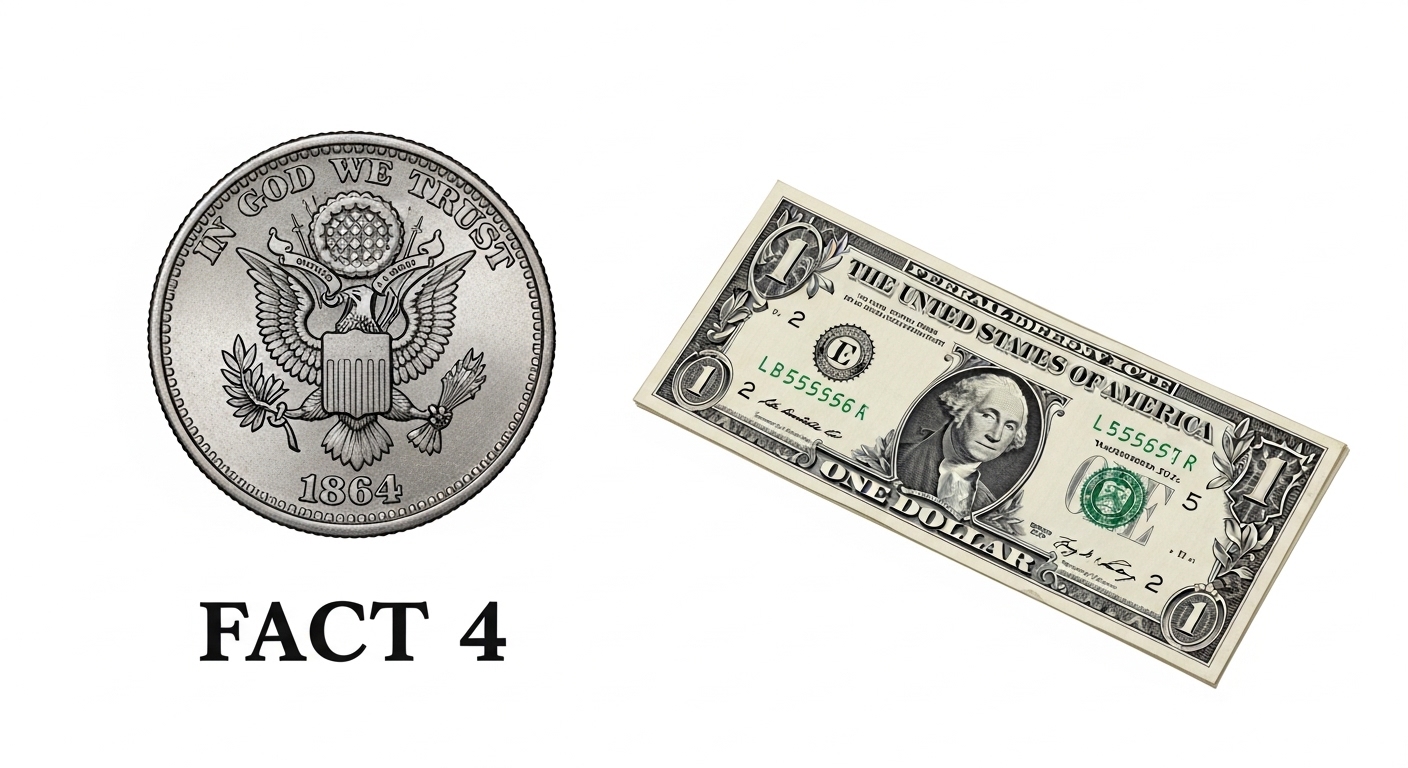
Introduction: The Dollar Holds More Secrets Than You Think
The top 10 facts about the US Dollars you didn’t know will genuinely surprise even the most financially literate readers. Furthermore, the American dollar carries centuries of history, symbolism, and engineering that most people never stop to examine. Consequently, what appears to be a simple piece of paper actually represents one of humanity’s most sophisticated financial instruments. Moreover, the US Dollar influences global economies, political decisions, and everyday life in ways that extend far beyond simple purchasing power. Therefore, understanding these remarkable facts deepens your appreciation for the currency you handle every single day.
Fact 1: Dollar Bills Are Not Actually Made of Paper
Most people assume the US Dollar bill consists of ordinary paper like notebooks or printer sheets. Furthermore, the Bureau of Engraving and Printing produces dollar bills using a specialized blend of 75 percent cotton and 25 percent linen. Additionally, this unique composition gives the bill its distinctive texture, durability, and resistance to tearing under normal handling conditions. Moreover, small red and blue synthetic fibers weave randomly throughout the material to deter counterfeit reproduction attempts. Consequently, a dollar bill survives approximately 4,000 folds before it finally tears, far outlasting standard paper products.
Fact 2: The Eye on the Pyramid Is Not Masonic
Conspiracy theories persistently link the all-seeing eye on the dollar bill to Freemason symbolism and secret societies. Furthermore, historical evidence actually traces the Eye of Providence back to Christian artistic traditions representing divine watchfulness over humanity. Additionally, designer Charles Thomson incorporated the symbol in 1782 as part of the Great Seal of the United States officially. Moreover, the unfinished pyramid beneath the eye symbolizes the young nation’s unfinished work and its ambitions for future growth. Therefore, the mysterious eye carries a straightforward patriotic meaning rather than any hidden organizational allegiance or coded message.
Fact 3: A Dollar Bill Survives in Circulation for Less Time Than You Think
Many people imagine that dollar bills circulate through the economy for decades before retirement. Furthermore, the Federal Reserve reports that the average one-dollar bill survives only about 6.6 years in active circulation. Additionally, higher denomination bills last longer because people handle and fold them far less frequently in daily transactions. Moreover, the Federal Reserve destroys worn and damaged bills by shredding them at processing facilities across the country. Consequently, billions of dollars worth of currency quietly exits circulation every single year through routine replacement programs.
Fact 4: The Dollar Sign Has a Disputed and Fascinating Origin
The iconic dollar sign ($) carries an origin story that historians have debated enthusiastically for well over a century. Furthermore, one popular theory suggests the symbol evolved from the Spanish peso abbreviation “ps” written in overlapping cursive script. Additionally, another theory connects the symbol to the pillars of Hercules depicted on old Spanish colonial currency designs. Moreover, some researchers argue the sign developed independently within American colonial merchant bookkeeping practices over time. Consequently, no single definitive origin story commands universal academic acceptance, making the dollar sign one of finance’s most enduring mysteries.
Fact 5: More US Dollars Exist Outside America Than Inside It
Most people naturally assume that Americans hold the majority of US Dollar currency in physical circulation worldwide. Furthermore, the Federal Reserve estimates that approximately 60 to 70 percent of all US Dollar bills circulate outside American borders. Additionally, foreign citizens and institutions hold dollars as a stable store of value in economically volatile countries. Moreover, the US Dollar serves as the world’s primary reserve currency, meaning central banks globally hold massive dollar reserves. Therefore, the dollar’s reach and influence extend dramatically beyond the geographic boundaries of the United States itself.
Fact 6: The Ink Used on Dollar Bills Is Extraordinarily Sophisticated
The green ink that gives dollar bills their iconic appearance contains carefully guarded proprietary chemical formulations. Furthermore, the Bureau of Engraving and Printing developed magnetic ink varieties that automated currency verification machines detect reliably. Additionally, color-shifting ink on higher denomination bills changes from gold to green when tilted under normal lighting conditions. Moreover, ultraviolet-reactive compounds embedded in the ink glow distinctly under black light to confirm authenticity instantly. Consequently, the ink technology protecting American currency represents decades of materials science research and continuous anti-counterfeiting innovation.
Fact 7: The Federal Reserve Destroys Billions of Dollars Annually
The Federal Reserve System operates a continuous and systematic program to remove damaged currency from active circulation. Furthermore, processing facilities across the country receive worn bills from commercial banks and sort them using high-speed machines. Additionally, machines shred unfit currency into tiny pieces that processing centers sometimes repurpose into novelty souvenir products. Moreover, the destruction process ensures that the quality and integrity of circulating currency remains consistently high across the economy. Therefore, the dollar you receive in change today likely replaced a bill that completed its useful lifespan just recently.
Fact 8: Printing Errors Create Extraordinarily Valuable Collector’s Items
The Bureau of Engraving and Printing occasionally produces bills with printing errors that escape quality control detection. Furthermore, these error notes, known as misprint bills, become highly sought-after collector’s items worth multiples of their face value. Additionally, double-printed serial numbers, ink smears, and misaligned designs represent some of the most documented and valued error types. Moreover, a misprinted dollar bill in excellent condition sometimes sells at auction for thousands of dollars to serious currency collectors. Consequently, examining your dollar bills carefully could theoretically reveal a hidden treasure hiding in plain sight.
Fact 9: The Treasury Has Never Honored Demands to Remove “In God We Trust”
The motto “In God We Trust” appeared on US coins as early as 1864 during the Civil War period. Furthermore, Congress officially adopted the phrase as the national motto of the United States in 1956 during the Cold War era. Additionally, multiple legal challenges have attempted to remove the motto from American currency citing separation of church and state. Moreover, federal courts have consistently ruled that the motto carries a patriotic and ceremonial meaning rather than a religious endorsement. Therefore, “In God We Trust” remains a permanent and legally protected feature of every US Dollar bill in circulation.
Fact 10: The US Dollar Has Outlasted Every Major Competing Global Currency
The US Dollar achieved reserve currency dominance after the Bretton Woods Agreement of 1944 restructured global monetary systems. Furthermore, it replaced the British Pound Sterling as the world’s primary international trade and reserve currency following World War II. Additionally, the dollar has maintained this dominant position for over eighty years despite numerous geopolitical and economic challenges. Moreover, approximately 88 percent of all international foreign exchange transactions involve the US Dollar on at least one side. Consequently, no competing currency has yet demonstrated the combination of stability, liquidity, and institutional trust required to replace it.
Bonus Insight: The Dollar’s Design Changes More Often Than People Notice
Treasury officials and security experts update dollar bill designs regularly to stay ahead of counterfeiting technology advances. Furthermore, each redesign introduces new security features while preserving the iconic visual elements Americans recognize instantly. Additionally, older design versions remain legal tender indefinitely, meaning no American ever needs to exchange outdated bills. Moreover, design update announcements generate significant public interest and media coverage across financial and design communities. Therefore, the dollar bill you carry today differs meaningfully from the one your grandparents used, even if the differences appear subtle.
Why These Facts About the US Dollar Matter
Understanding the history, engineering, and global role of the dollar builds genuine financial literacy and cultural awareness. Furthermore, the dollar’s design, material composition, and international reach reflect deliberate decisions made by generations of American policymakers. Additionally, recognizing the sophistication behind everyday currency encourages deeper engagement with broader economic and monetary policy discussions. Moreover, these surprising facts remind us that the most familiar objects in daily life often carry the richest and most complex stories. Consequently, the next time you hold a dollar bill, you carry far more history and innovation than its humble appearance suggests.
Conclusion: The Dollar Deserves a Second Look
The top 10 facts about the US Dollar you didn’t know reveal a currency far more remarkable than most people ever realize. Moreover, from its cotton-linen composition to its commanding global reserve status, the dollar earns its place as the world’s most influential financial instrument. Additionally, the security technology, historical symbolism, and economic power embedded in every bill reflect extraordinary institutional commitment and innovation. Furthermore, these facts transform an ordinary transaction item into a fascinating artifact of American and global financial history. Therefore, the humble dollar bill deserves far more curiosity, respect, and appreciation than we typically give it.