
 By Kathryn Roqueeto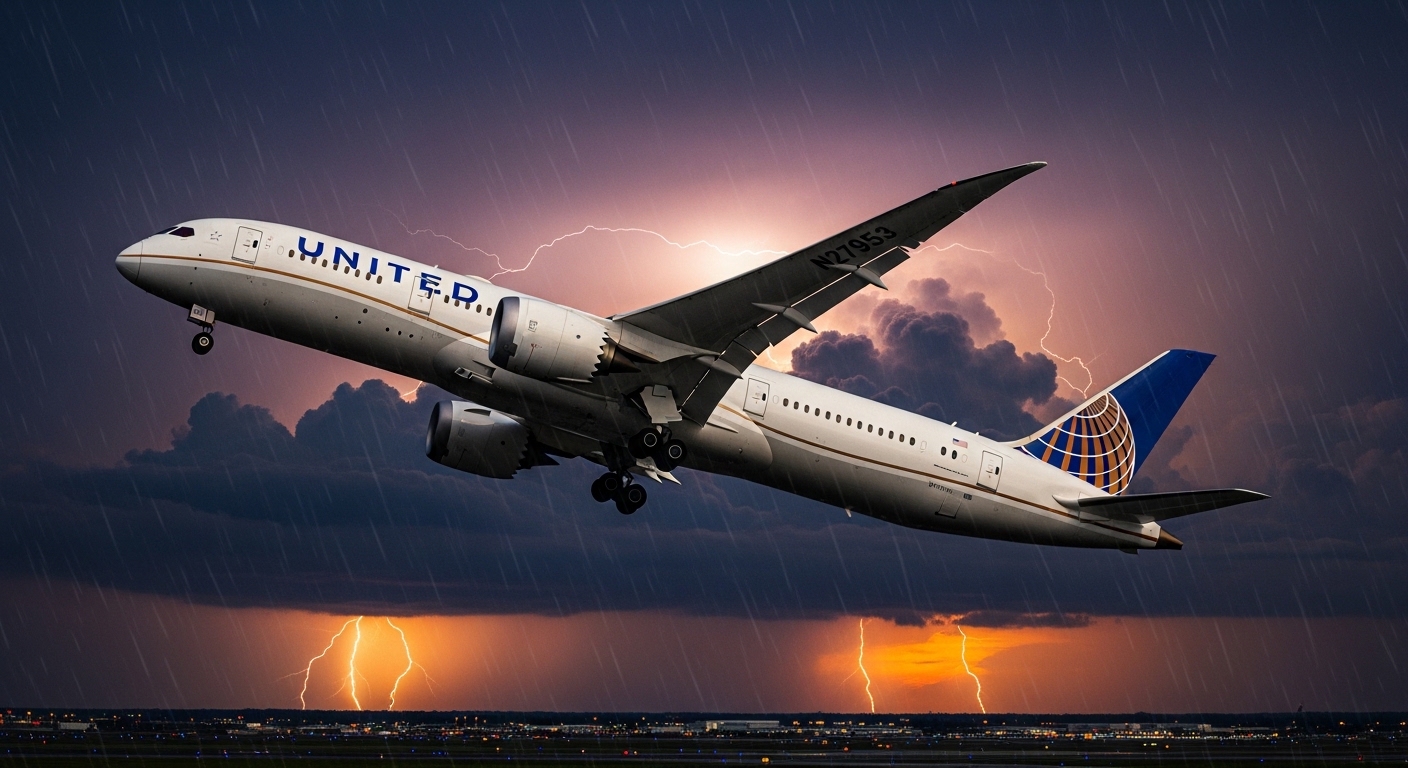
On October 30, 2025, United Flight UA109 diverted to Dublin Airport after experiencing an unexpected crew medical situation mid-flight. This transatlantic service departed Munich Airport bound for Washington Dulles International Airport carrying passengers and crew across the Atlantic. However, aviation safety protocols quickly came into action when a cabin crew member developed a medical condition during the journey. Furthermore, the incident demonstrates how airlines prioritize safety above schedule convenience when regulatory compliance becomes an issue during operations.
What Happened During the Flight
The aircraft departed Munich at approximately 9:00 AM Central European Time on its scheduled route to Washington Dulles International Airport. Specifically, the Boeing 787-8 Dreamliner carried passengers expecting a routine nine-hour journey across the Atlantic Ocean to the United States. Meanwhile, flight tracking enthusiasts monitored the aircraft’s progress using platforms like FlightAware and other real-time aviation tracking services available online.
The Medical Emergency Unfolds
Approximately 90 minutes into the flight, a cabin crew member experienced severe pain from a blister that worsened significantly. Consequently, this medical issue prevented the crew member from performing essential safety duties required by international aviation regulations for operations. Although the condition did not threaten the crew member’s life, it created a serious regulatory compliance problem for operations. Subsequently, the captain recognized that continuing to Washington would violate mandatory crew staffing requirements for safe transatlantic flight operations procedures.
Why the Aircraft Turned Back
The decision to divert stemmed from strict international aviation regulations governing crew staffing levels on long-haul transatlantic commercial passenger flights. Specifically, airlines must maintain a minimum number of medically fit cabin crew members throughout the entire flight duration. Moreover, cabin crew members serve critical safety functions beyond providing passenger service during flights across international waters and airspace.
Regulatory Requirements Explained
Airlines operating transatlantic routes must comply with ETOPS regulations, which govern Extended Twin-Engine Operations over remote ocean areas. Additionally, these regulations require airlines to identify suitable alternate airports before departure where aircraft can land during various emergency scenarios. Therefore, Dublin Airport served as a pre-approved diversion option built into the original flight plan from Munich to Washington.
Flight crews cannot legally continue operations when crew members become medically unable to perform required safety duties during flights. Consequently, the captain made the mandatory decision to divert to the nearest suitable airport that could accommodate the situation. Furthermore, this decision aligned perfectly with established aviation safety protocols designed to protect passengers and crew during unexpected situations.
The Diversion to Dublin Airport
After assessing the situation, the flight crew initiated a controlled U-turn over the North Atlantic Ocean approximately 500-600 miles west. Subsequently, the aircraft turned eastward back toward Europe, heading directly to Dublin Airport in Ireland for an emergency landing. Meanwhile, air traffic controllers monitored the aircraft’s progress and coordinated the emergency landing with ground teams at Dublin.
Why Dublin Was Chosen
Dublin Airport serves as a strategic diversion point for transatlantic flights due to its location, facilities, and preparedness for emergencies. Moreover, the airport maintains excellent medical facilities and ground support capabilities necessary for handling diverted flights efficiently and safely. Consequently, many airlines pre-approve Dublin as an alternate airport in their flight plans for routes crossing the Atlantic Ocean.
The airport’s role as an ETOPS alternate means it meets strict requirements for handling emergency diversions from long-haul operations. Additionally, Dublin maintains specialized equipment, trained personnel, and medical services ready to respond quickly to various in-flight emergency situations.
Landing and Medical Assessment
The Boeing 787-8 Dreamliner landed safely at Dublin Airport after completing its mid-Atlantic turn and returning across Irish airspace. Upon landing, medical professionals immediately assessed the crew member who experienced the medical issue during the transatlantic crossing. Fortunately, the crew member did not require hospitalization, though they received proper medical evaluation and treatment at the facility.
Ground Operations in Dublin
United Airlines ground teams coordinated with Dublin Airport medical professionals to ensure proper care for the affected crew member. Meanwhile, airline operations staff worked to arrange for a replacement crew member to join the flight before continuing onward. Furthermore, passengers received updates about the situation and the expected departure time for resuming their journey to Washington.
The airline prioritized passenger communication throughout the diversion, ensuring travelers understood why the aircraft landed in Dublin unexpectedly. Additionally, ground staff provided necessary assistance and support to passengers during the unplanned stop at the Irish airport.
Resuming the Journey to Washington
After completing medical assessment and crew compliance verification, airline operations cleared the aircraft to continue its journey westward. Specifically, the replacement crew member joined the flight, bringing the cabin crew complement back to required regulatory minimums. Subsequently, flight operations departed Dublin at approximately 4:15 PM Greenwich Mean Time, resuming the transatlantic crossing to Washington.
Arrival at Washington Dulles
The aircraft arrived at Washington Dulles International Airport around 6:30 PM Eastern Time, experiencing approximately two hours of delay. Overall, passengers reached their final destination with minimal disruption considering the mid-flight medical emergency and necessary regulatory compliance procedures. Moreover, the total delay remained relatively short for a transatlantic flight that required an unscheduled international airport landing.
Aviation Safety Principles Demonstrated
This incident highlights several important principles that guide modern commercial aviation operations and prioritize passenger safety above convenience. Specifically, airlines must follow strict regulations even when medical situations appear minor to outside observers not familiar with requirements. Furthermore, the event shows how pre-planning and established protocols enable crews to handle unexpected situations calmly and effectively.
The Importance of Crew Compliance
Cabin crew members perform essential safety functions including emergency evacuations, medical assistance, and security monitoring during all flight phases. Therefore, regulations require minimum crew numbers based on aircraft size and passenger capacity to ensure adequate coverage during emergencies. Consequently, losing even one crew member to medical incapacity can create non-compliance situations requiring immediate corrective action.
Airlines cannot simply continue flights when crew staffing falls below legally mandated minimums regardless of how close destinations may be. Additionally, this strict approach ensures consistent safety standards across all commercial aviation operations worldwide protecting millions of daily passengers.
Flight Tracking and Public Attention
The mid-Atlantic U-turn attracted significant attention from aviation enthusiasts who monitor flights using publicly available tracking platforms and services. Subsequently, social media discussions emerged as people noticed the unusual flight path and speculated about possible causes for diversion. However, some initial reports incorrectly stated the aircraft was diverting to Boston instead of Dublin Airport in Ireland.
Accurate Information Sources
Verified flight data from platforms such as FlightAware and AirLive confirmed Dublin as the actual diversion destination throughout proceedings. Moreover, these tracking services provided real-time updates allowing interested observers to follow the aircraft’s progress back to Europe. Consequently, accurate information eventually replaced initial speculation once airlines released official statements explaining the crew medical situation clearly.
Lessons from the Incident
The event teaches important lessons about aviation safety, regulatory compliance, and the complex decision-making pilots face during operations. Specifically, flight diversions may inconvenience schedules, but they remain central to ensuring everyone’s wellbeing aboard commercial aircraft. Furthermore, well-trained crews and pilots handle unexpected events calmly, professionally, and in accordance with established international safety protocols.
System Design and Infrastructure
Global air transport infrastructure makes diversions like this possible through strategically located airports equipped for handling emergency situations. Additionally, quick communication updates and clear messaging reduce passenger stress while maintaining confidence in airline operations during unexpected events. Therefore, the aviation industry’s comprehensive safety systems work together to protect travelers even when circumstances deviate from planned operations.
Understanding ETOPS Regulations
ETOPS stands for Extended Twin-Engine Operations, allowing twin-engine aircraft to fly routes far from alternate airports under conditions. Specifically, these regulations permit aircraft like the Boeing 787-8 to operate routes exceeding 60 minutes from suitable alternates. However, airlines must meet strict maintenance, planning, and operational requirements to receive ETOPS approval from regulatory authorities worldwide.
Planning Requirements
Before every transatlantic flight, airlines must identify suitable alternate airports along the route where aircraft can land during emergencies. Moreover, these alternates must meet specific requirements regarding runway length, emergency services, weather monitoring, and available support facilities. Consequently, airports like Dublin maintain readiness to accept diverted flights at any time through comprehensive emergency response planning.
The Aircraft and Route Details
United Airlines operates the Munich to Washington route using Boeing 787-8 Dreamliner aircraft, which feature advanced technology and efficiency. This particular aircraft, registered as N28912, represents modern wide-body twin-engine design optimized for long-haul international passenger operations. Furthermore, the route connects a major European hub with an important United States gateway serving the Washington metropolitan area.
Route Significance
The Munich to Washington corridor serves business travelers, tourists, and connecting passengers traveling between Europe and North America daily. Additionally, United Airlines operates this route as part of its extensive transatlantic network linking major cities across continents. Therefore, maintaining safe and reliable operations on routes like this remains critical to the airline’s reputation and passenger trust.
Passenger Experience During Diversion
Passengers aboard experienced an unexpected change to their travel plans when the captain announced the medical situation and diversion. Subsequently, travelers faced additional time in transit and the uncertainty that comes with unplanned landings at unfamiliar airports. However, the crew maintained professionalism throughout, ensuring passengers understood the situation and felt safe during the entire experience.
Communication and Comfort
Airlines prioritize passenger communication during irregular operations to reduce anxiety and provide accurate information about changing circumstances and timelines. Moreover, cabin crew members work to maintain comfortable conditions aboard aircraft during unexpected delays or diversions affecting travel plans. Consequently, effective communication helps passengers understand that safety considerations necessitate changes even when those changes create temporary inconveniences.
How Airlines Handle Medical Emergencies
Medical emergencies involving passengers or crew occur daily across global aviation operations requiring established protocols and trained response teams. Furthermore, airlines maintain relationships with medical professionals who can provide advice to flight crews dealing with in-flight medical situations. Additionally, crew members receive regular training in emergency medical procedures and first aid techniques applicable to common in-flight situations.
Decision-Making Process
Captains consider multiple factors when deciding whether to continue flights or divert to alternate airports during medical emergencies aboard. Specifically, they assess the severity of medical situations, proximity to suitable airports, weather conditions, and regulatory requirements. Moreover, they consult with medical advisors, airline operations centers, and air traffic control to make informed decisions balancing safety.
The Role of Dublin Airport
Dublin Airport maintains its position as a critical diversion point for North Atlantic crossings due to geographic location and capabilities. Furthermore, the facility handles hundreds of diverted flights annually from airlines operating transatlantic routes between Europe and North America. Consequently, airport staff possess extensive experience managing unexpected arrivals and providing necessary support services quickly and efficiently to airlines.
Facilities and Services
The airport maintains comprehensive emergency medical services, customs and immigration facilities, and airline support services necessary for handling diverted flights. Additionally, Dublin offers excellent runway infrastructure, navigation aids, and weather monitoring systems meeting requirements for ETOPS alternate airport designation. Therefore, airlines can confidently rely on Dublin’s capabilities when planning transatlantic routes requiring alternate airport identification before departure.
Industry Standards and Best Practices
Aviation authorities worldwide establish and enforce regulations governing crew staffing, medical fitness, and operational safety protecting passengers and crew. Moreover, these standards evolve continuously based on incident analysis, technological advances, and industry best practices emerging from operational experience. Consequently, the global aviation system maintains remarkable safety records through consistent application of rigorous standards across all operations.
Continuous Improvement
Airlines participate in safety management systems that encourage reporting, analysis, and learning from incidents even when no injuries occur. Furthermore, events like this diversion contribute to industry knowledge about handling crew medical situations and maintaining regulatory compliance. Additionally, sharing information helps all airlines improve their procedures and protocols for managing similar situations in future operations.
Conclusion: Safety Above All
The diversion demonstrates aviation’s unwavering commitment to safety even when circumstances seem minor to observers unfamiliar with regulatory requirements. Specifically, United Airlines responded correctly by prioritizing regulatory compliance over schedule convenience when crew medical issues created non-compliance situations. Furthermore, the incident proceeded smoothly from initial medical assessment through diversion, landing, crew replacement, and continuation to destination.
This event shows systems working exactly as designed to protect passengers and maintain safety standards across commercial aviation operations worldwide. Moreover, the minimal two-hour delay represents excellent operational recovery for a transatlantic flight requiring unscheduled international landing and crew replacement. Ultimately, incidents like this reinforce public confidence that airlines prioritize passenger safety above convenience when situations require regulatory compliance.