
 By admin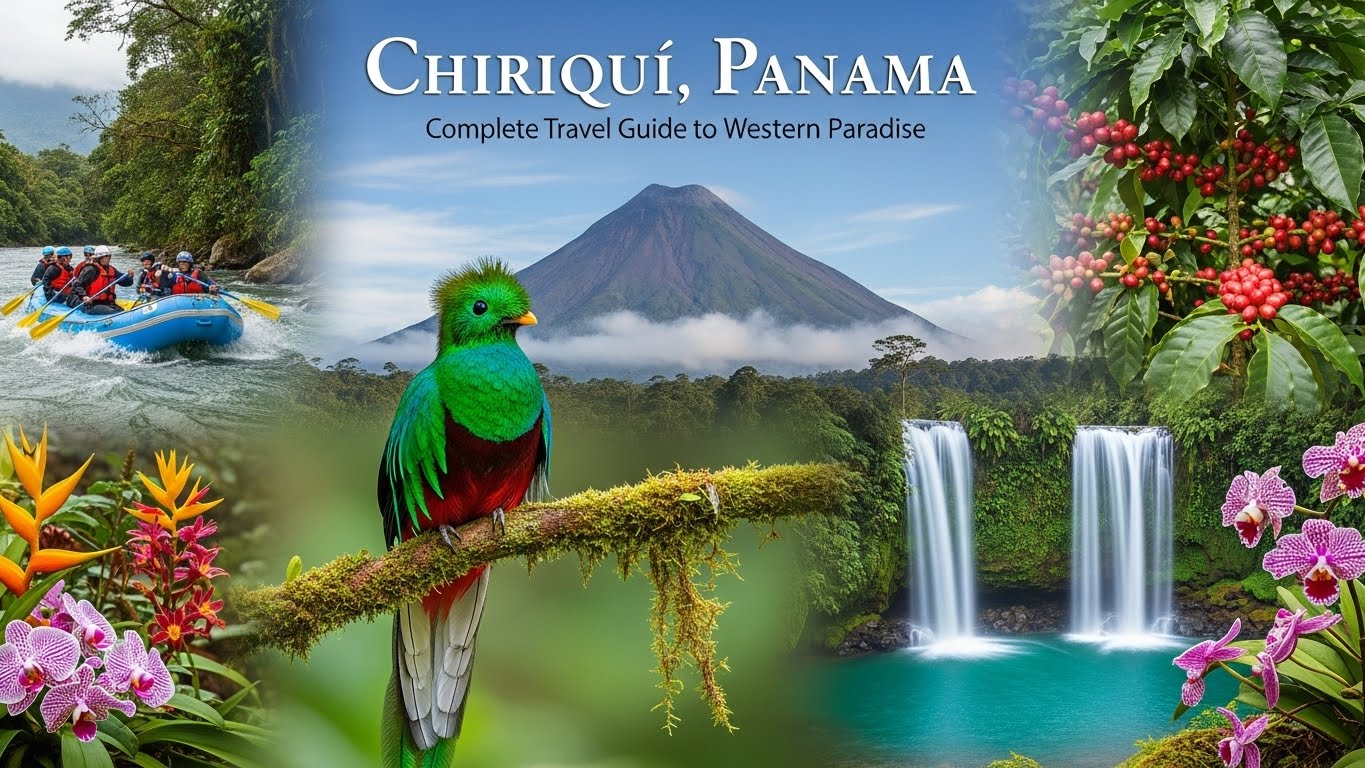
Introduction to Panama’s Mountain Paradise
Chiriquí Panama stands as one of Central America’s most captivating destinations for adventurous travelers and nature enthusiasts alike. This western province combines dramatic mountain landscapes with pristine Pacific coastlines in remarkable harmony. Visitors discover diverse ecosystems ranging from cloud forests to tropical beaches within a relatively compact geographical area. The region offers endless opportunities for outdoor recreation, cultural immersion, and authentic experiences throughout the year.
Geographic Wonders and Natural Landscapes
Mountain Ranges and Volcanic Peaks
The Talamanca mountain range dominates the provincial landscape with its impressive peaks and verdant valleys stretching toward Costa Rica. Volcán Barú towers over the region at 3,475 meters, making it Panama’s highest point and most iconic natural landmark. Moreover, hikers can summit this dormant volcano to witness both Pacific and Atlantic oceans on exceptionally clear mornings. The surrounding highlands create microclimates that support unique biodiversity found nowhere else on Earth.
Coastal Beauty Along the Pacific
Furthermore, the province boasts hundreds of kilometers of undeveloped Pacific coastline with golden sand beaches and azure waters. Gulf of Chiriquí contains numerous islands perfect for snorkeling, diving, and marine wildlife observation throughout most months. Additionally, mangrove forests line many coastal areas, providing crucial habitats for countless bird species and marine creatures. These coastal ecosystems remain relatively pristine compared to more developed Central American beach destinations.
Climate Patterns and Best Visiting Times
Highland Weather Characteristics
The mountainous regions experience cool temperatures year-round, with averages ranging between 15 to 22 degrees Celsius daily. Consequently, residents and visitors enjoy spring-like conditions that contrast sharply with Panama’s typical tropical heat elsewhere. The dry season extends from December through April, offering optimal conditions for hiking and outdoor exploration activities. Conversely, the rainy season brings afternoon showers that nourish the lush vegetation and maintain the region’s verdant character.
Coastal Climate Variations
Meanwhile, lowland areas experience warmer temperatures typical of tropical climates, averaging 27 to 32 degrees Celsius throughout most months. The Pacific coast receives less rainfall than the highlands, particularly during the extended dry season period. Therefore, beach enthusiasts can plan coastal visits with greater confidence regarding weather conditions and sunshine availability. Ocean temperatures remain warm year-round, making water activities enjoyable regardless of the specific month chosen.
Major Towns and Urban Centers
David: The Provincial Capital
David serves as the region’s commercial hub and transportation gateway, connecting visitors to surrounding attractions and natural areas. This bustling city offers modern amenities including shopping centers, restaurants, hotels, and essential services for travelers and residents. Subsequently, most visitors pass through David when arriving by air or traveling overland from Panama City eastward. The city maintains an authentic Panamanian character despite its size and continues growing as an economic center.
Boquete: Mountain Town Charm
In contrast, Boquete captivates visitors with its cool climate, flower-filled gardens, and relaxed atmosphere nestled in mountain valleys. This popular highland town attracts retirees, digital nomads, and tourists seeking respite from tropical heat and urban intensity. The community embraces both traditional Panamanian culture and international influences, creating a unique multicultural atmosphere throughout town. Local festivals celebrate flowers, coffee, jazz music, and indigenous traditions at various times during the year.
Volcán: Gateway to the Summit
Similarly, Volcán provides access to the namesake mountain while maintaining a quieter, more agricultural character than touristy Boquete. Farmers cultivate vegetables, flowers, and specialty crops in the fertile volcanic soil surrounding this modest town. Accordingly, visitors seeking authentic rural experiences appreciate the slower pace and agricultural traditions preserved here. The town serves as an excellent base for summit attempts and explorations of nearby indigenous communities.
Coffee Culture and Agricultural Heritage
World-Class Coffee Production
The highlands produce some of the world’s finest Arabica coffee beans, with Geisha varieties commanding premium prices internationally. Small family farms dot the hillsides, cultivating coffee using traditional methods passed down through multiple generations successfully. Moreover, many farms welcome visitors for tours, tastings, and educational experiences about the entire cultivation process. The annual coffee harvest occurs between November and March, offering tourists unique opportunities to witness picking firsthand.
Farm Tours and Tastings
Coffee estate visits provide intimate glimpses into agricultural life and the meticulous care required for exceptional bean production. Professional guides explain everything from planting to roasting while leading groups through picturesque plantation landscapes. Subsequently, visitors sample various roasts and processing methods, developing appreciation for the complexity hidden within each cup. These experiences often include meals featuring locally grown produce prepared with traditional recipes passed down generationally.
Adventure Activities and Outdoor Recreation
Hiking Trails and Nature Walks
Countless trails wind through cloud forests, alongside rivers, and up mountain slopes, catering to all fitness levels appropriately. The Los Quetzales Trail ranks among Central America’s most scenic hikes, traversing between Boquete and Cerro Punta villages. Furthermore, shorter walks lead to waterfalls, viewpoints, and wildlife observation areas accessible within hours from most towns. Professional guides enhance experiences by identifying flora, fauna, and sharing ecological knowledge throughout various excursions.
White Water Rafting Adventures
The Chiriquí Viejo River offers world-class rafting through dramatic canyons with rapids ranging from class II to V. Experienced outfitters provide equipment, guides, and transportation for full-day and half-day adventures on these pristine waters. Additionally, calmer sections allow beginners to experience the thrill of rafting without requiring advanced technical skills. The surrounding scenery features lush rainforest vegetation, waterfalls, and occasional wildlife sightings during the journey downstream.
Canopy Tours and Zip Lining
Zip line courses allow adventurers to soar through forest canopies, experiencing ecosystems from unique aerial perspectives unavailable elsewhere. Multiple operators offer varying lengths and heights, accommodating different comfort levels and thrill-seeking preferences among participants. Moreover, trained guides ensure safety while providing information about the surrounding environment and conservation efforts underway. These adventures combine adrenaline rushes with environmental education in memorable ways that resonate long after trips conclude.
Wildlife and Biodiversity Exploration
Bird Watching Paradise
Over 900 bird species inhabit the province, including the resplendent quetzal, three-wattled bellbird, and numerous endemic varieties. Consequently, ornithologists and casual observers flock here to spot rare species in their natural habitats year-round. The early morning hours provide optimal viewing opportunities when birds are most active and vocal throughout forests. Professional birding guides possess encyclopedic knowledge and remarkable ability to locate even the most elusive species reliably.
Mammal Diversity
Dense forests shelter jaguars, pumas, tapirs, sloths, monkeys, and countless other mammalian species throughout remote wilderness areas. While large predators remain elusive, visitors frequently encounter monkeys, sloths, and coatis during forest excursions and hikes. Additionally, night tours reveal nocturnal creatures including kinkajous, porcupines, and various bat species active after darkness falls. Conservation efforts protect these animals and their habitats from development pressures increasingly threatening Central American ecosystems.
Marine Activities and Island Exploration
Gulf Islands and Marine Parks
The Gulf contains over twenty islands, many protected within Golfo de Chiriquí National Marine Park boundaries established decades ago. These islands feature pristine beaches, coral reefs, and waters teeming with tropical fish, rays, and seasonal whale visitors. Furthermore, several islands offer basic accommodations for overnight stays, allowing extended exploration of remote marine environments. Boat tours depart regularly from coastal towns, transporting visitors to these aquatic paradises for unforgettable experiences.
Snorkeling and Diving Opportunities
Crystal-clear waters surrounding the islands provide excellent visibility for observing vibrant coral formations and diverse marine life. Snorkelers can explore shallow reefs directly from beaches, while divers access deeper sites with greater biodiversity. Consequently, underwater photographers capture stunning images of colorful fish, sea turtles, and occasional dolphins passing through. Several dive shops offer courses, equipment rental, and guided excursions to the region’s best underwater locations.
Sport Fishing Expeditions
The Pacific waters yield impressive catches including marlin, sailfish, tuna, dorado, and roosterfish throughout most fishing seasons. Charter operators provide boats, equipment, and experienced captains familiar with productive fishing grounds offshore and near islands. Moreover, catch-and-release practices help maintain fish populations while still allowing anglers to experience the thrill. These expeditions range from half-day trips to multi-day adventures targeting specific species during peak seasons.
Indigenous Communities and Cultural Heritage
Ngäbe-Buglé Territory
Indigenous Ngäbe-Buglé people maintain their traditional lifestyle in communities scattered throughout mountainous regions of the province. Visitors can arrange cultural tours to learn about customs, crafts, and agricultural practices preserved for centuries. These interactions provide meaningful exchanges that benefit communities economically while sharing cultural knowledge with respectful visitors. Traditional dances, language, and handicrafts continue thriving despite pressures from modernization affecting indigenous groups everywhere.
Traditional Crafts and Artisanship
Indigenous artisans create colorful bags, dresses, and accessories using traditional weaving techniques passed through generations successfully. These items feature distinctive geometric patterns and vibrant colors that reflect cultural identity and ancestral knowledge. Additionally, purchasing directly from artisans ensures fair compensation and helps preserve traditional crafts threatened by mass production. Markets in David and other towns sell these handmade goods, though buying directly from communities provides more authentic experiences.
Culinary Experiences and Local Cuisine
Traditional Panamanian Dishes
Regional cuisine emphasizes fresh ingredients including locally grown vegetables, tropical fruits, beef, chicken, and freshly caught seafood. Sancocho, a hearty chicken soup, warms visitors on cool highland evenings and remains a beloved comfort food. Furthermore, restaurants serve ropa vieja, arroz con pollo, and empanadas prepared with recipes honoring traditional cooking methods. Small family-run restaurants often provide the most authentic culinary experiences at reasonable prices throughout the area.
International Dining Options
Boquete and David offer diverse international cuisines including Italian, Asian, American, and fusion restaurants catering to varied tastes. Many establishments utilize locally sourced ingredients, supporting regional farmers while creating innovative dishes that blend cultures creatively. Consequently, food enthusiasts enjoy culinary diversity unexpected in a relatively small provincial area of Central America. Coffee shops, bakeries, and cafes serve excellent pastries, desserts, and beverages that rival those in major cities.
Accommodation Options for Every Budget
Luxury Lodges and Resorts
High-end properties offer stunning views, gourmet dining, spa services, and personalized attention for discerning travelers seeking premium experiences. These establishments integrate seamlessly with natural surroundings, often featuring sustainable design elements and conservation-minded operations. Moreover, many provide guided tours, transportation, and concierge services that simplify trip planning and enhance overall experiences. Prices reflect the exceptional quality, exclusivity, and locations these properties provide to their fortunate guests.
Mid-Range Hotels and B&Bs
Comfortable hotels and charming bed-and-breakfasts provide excellent value for travelers seeking quality without luxury price tags. Family-run establishments often include breakfast, personalized recommendations, and warm hospitality that creates memorable stays beyond simple accommodation. Additionally, these properties typically occupy convenient locations near attractions, restaurants, and transportation options throughout various towns. Many feature gardens, common areas, and architectural details that reflect local character and charm authentically.
Budget Hostels and Guesthouses
Backpackers and budget-conscious travelers find numerous affordable options including hostels, guesthouses, and basic hotels throughout the region. These establishments provide clean, safe accommodations with essential amenities at prices accessible to travelers with limited budgets. Furthermore, social atmospheres at hostels facilitate connections between travelers from diverse backgrounds exploring the area. Dorm rooms and private options accommodate different preferences while maintaining affordability for extended stays or multi-country trips.
Retirement and Expat Communities
Pensionado Visa Benefits
Panama’s pensionado program offers attractive benefits for retirees meeting modest monthly income requirements from pensions or investments. These benefits include discounts on medical services, entertainment, transportation, and various other goods and services nationwide. Consequently, thousands of North American and European retirees have relocated here, establishing vibrant international communities. The combination of favorable climate, low costs, and excellent healthcare attracts those seeking comfortable retirement destinations.
Real Estate Opportunities
Property values remain affordable compared to North American and European markets, attracting investors and those seeking second homes. Mountain properties offer cooler temperatures and stunning views, while coastal lots provide beach access and ocean vistas. Moreover, modern developments feature amenities including clubhouses, pools, and security services that appeal to international buyers. Legal protections for foreign property owners provide security, though consulting local attorneys remains advisable before purchases.
Healthcare and Medical Services
Regional hospitals and clinics provide quality medical care at costs significantly lower than United States and European standards. David’s main hospital offers comprehensive services including emergency care, surgery, and specialized treatments by qualified professionals. Additionally, many doctors received training internationally and speak English, facilitating communication for non-Spanish speaking patients. Private insurance and Panama’s pensionado program provide coverage options that make healthcare accessible and affordable here.
Transportation and Accessibility
Getting There
Enrique Malek International Airport in David receives domestic flights from Panama City multiple times daily by major carriers. Additionally, modern highways connect the region to the capital and Costa Rican border, making overland travel straightforward. Buses provide affordable transportation between cities, though rental cars offer greater flexibility for exploring remote areas. International visitors typically fly into Panama City before connecting to David or traveling overland through the countryside.
Getting Around
Taxis, buses, and ride-sharing services operate in David, while Boquete relies primarily on taxis for local transportation. Many visitors rent cars to explore at their own pace, accessing trails, beaches, and attractions independently. Furthermore, tour operators provide transportation to popular destinations, eliminating navigation concerns and allowing guests to relax. Mountain roads can be steep and winding, requiring cautious driving and familiarity with local conditions.
Safety and Practical Considerations
The region maintains low crime rates compared to many Central American destinations, with most incidents involving petty theft. Nevertheless, travelers should practice standard precautions including securing valuables, avoiding isolated areas after dark, and remaining aware. Local residents typically exhibit friendliness and helpfulness toward visitors, contributing to the welcoming atmosphere throughout communities. Emergency services exist in major towns, though response times in remote areas may exceed those in urban centers.
Sustainable Tourism Practices
Conservation Efforts
Numerous organizations work to protect forests, wildlife, and marine ecosystems through research, education, and habitat preservation initiatives. National parks and protected areas safeguard critical habitats from development while allowing regulated tourism activities within boundaries. Furthermore, reforestation projects restore degraded lands and create corridors connecting fragmented habitats for wildlife movement. Visitors can support these efforts through responsible tour operators and direct contributions to conservation organizations.
Eco-Friendly Accommodations
Many lodges and hotels implement sustainable practices including solar power, water conservation, waste reduction, and organic gardens. These establishments demonstrate that tourism can coexist with environmental protection when businesses prioritize sustainability alongside profitability. Moreover, some properties employ local residents and source supplies from regional producers, multiplying economic benefits throughout communities. Choosing eco-conscious accommodations encourages other businesses to adopt similar practices for long-term environmental health.
Shopping and Souvenirs
Local markets sell fresh produce, handicrafts, clothing, and household goods at prices lower than supermarkets and tourist shops. Indigenous crafts, locally roasted coffee, and artisanal chocolate make meaningful souvenirs that support regional producers directly. Additionally, Boquete’s Tuesday and Saturday markets attract vendors selling organic vegetables, baked goods, and prepared foods. Shopping locally benefits small producers and provides authentic experiences unavailable in commercial establishments catering primarily to tourists.
Festivals and Cultural Events
Annual Celebrations
The Boquete Flower and Coffee Festival celebrates the region’s agricultural heritage with parades, concerts, and exhibitions each January. Jazz and blues festivals attract international musicians, creating vibrant cultural events that draw visitors from throughout Central America. Furthermore, religious festivals honor patron saints with processions, traditional music, and community gatherings throughout the year. These celebrations provide windows into local culture and opportunities to interact with residents beyond typical tourist encounters.
Local Markets and Fairs
Weekly farmers markets offer opportunities to purchase fresh produce, taste local specialties, and interact with farmers and artisans. Craft fairs showcase handmade goods including jewelry, woodwork, textiles, and artwork created by talented regional artists. These events occur regularly throughout the year, providing consistent opportunities for visitors to experience local culture authentically.
Learning Opportunities
Spanish Language Schools
Several language institutes offer immersive Spanish instruction combined with cultural activities and homestay options for comprehensive learning experiences. Small class sizes and experienced instructors facilitate rapid progress for students of varying abilities and backgrounds. Moreover, practicing with local residents reinforces classroom learning and builds confidence using Spanish in real-world situations. Many students extend stays beyond initial courses, drawn by the pleasant climate and affordable living costs.
Volunteer Programs
Organizations welcome volunteers to assist with environmental conservation, education, animal welfare, and community development projects throughout the area. These opportunities provide meaningful ways to contribute while experiencing local culture beyond typical tourist activities. Furthermore, volunteers often form lasting friendships with local residents and other international participants sharing similar values. Programs range from weekend projects to extended commitments lasting several months depending on individual availability.
Photography Opportunities
The dramatic landscapes, vibrant wildlife, and colorful culture provide endless subjects for photographers of all skill levels. Sunrise over Volcán Barú, misty cloud forests, and pristine beaches offer particularly stunning compositions worth capturing carefully. Additionally, markets, festivals, and daily life present opportunities for compelling cultural and street photography throughout various communities. Photographers should always request permission before photographing individuals, respecting privacy and cultural sensitivities in all situations.
Final Thoughts on This Remarkable Destination
This western province delivers remarkable diversity within a compact area, combining mountains, beaches, culture, and adventure seamlessly. Whether seeking outdoor recreation, cultural immersion, retirement opportunities, or simple relaxation, visitors find experiences matching their interests. The combination of natural beauty, friendly residents, comfortable climate, and affordable costs creates an appealing destination. This remarkable region deserves recognition as one of Central America’s most rewarding and underappreciated destinations for discerning travelers.
The authentic character, preserved ecosystems, and welcoming communities distinguish this area from more commercialized destinations throughout the region. Future visitors will discover why so many travelers extend their stays or return repeatedly to explore further. This hidden gem rewards those willing to venture beyond Panama’s better-known attractions with unforgettable experiences and memories.