
 By Kathryn Roqueeto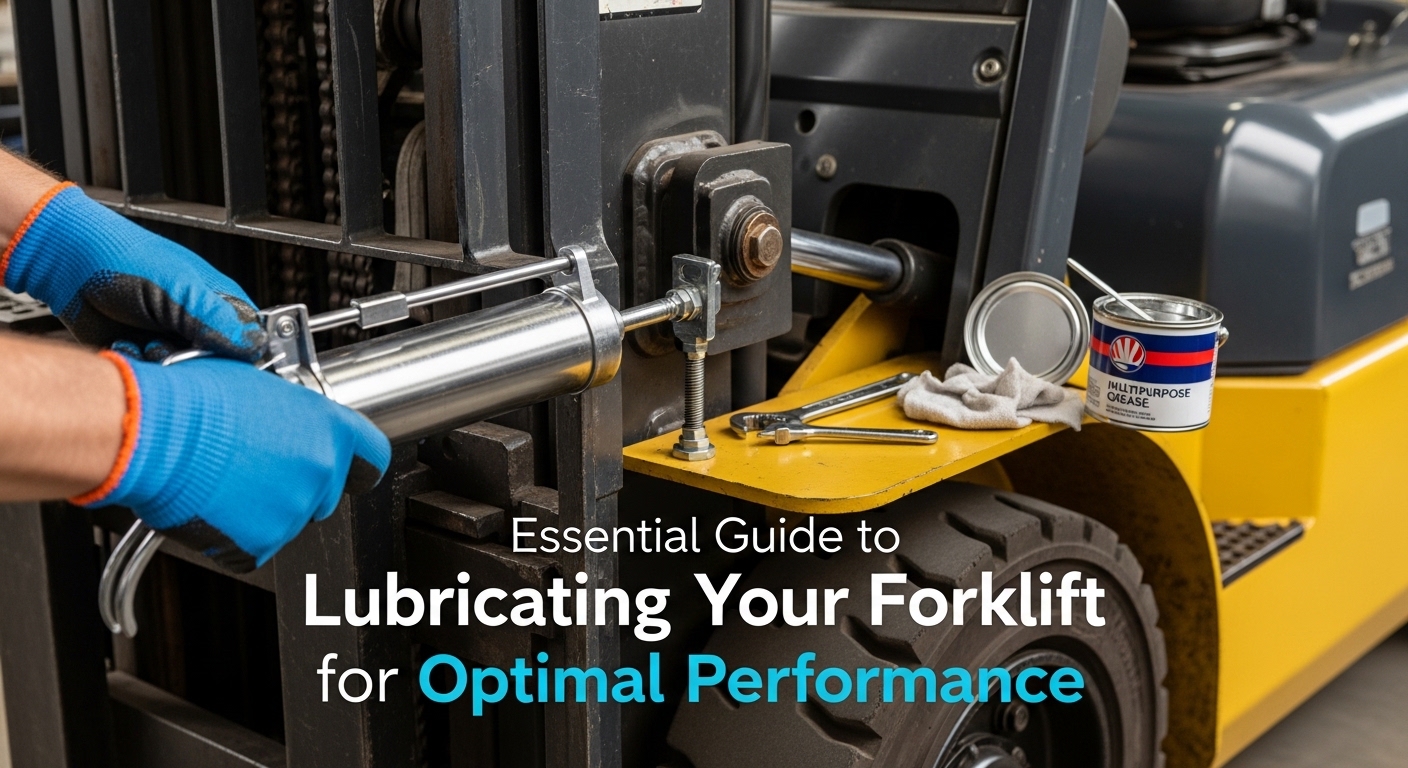
Introduction
Every warehouse manager understands that proper forklift lubrication keeps machines running efficiently and safely. Moreover, consistent lubrication dramatically reduces costly repairs and unexpected downtime on the job. Forklifts endure heavy loads, constant movement, and extreme operating conditions daily. Therefore, a well-structured lubrication routine directly protects both your equipment investment and your team’s safety. This guide walks you through every essential step to lubricate your forklift correctly and confidently.
Why Lubrication Matters More Than You Think
The Role of Friction in Equipment Wear
Metal parts grind against each other whenever machinery operates without proper lubrication coverage. Consequently, this friction generates heat, accelerates wear, and shortens the lifespan of critical components significantly. Furthermore, unlubricated parts can seize completely, causing sudden, dangerous mechanical failures during operation.
Financial Impact of Neglected Lubrication
Replacing a damaged mast assembly costs thousands of dollars more than routine lubrication supplies. In addition, breakdowns during peak warehouse shifts create serious productivity losses that affect overall business performance. Therefore, investing thirty minutes in regular lubrication saves operators from expensive, time-consuming repairs later on.
Understanding the Types of Lubricants
Grease vs. Oil: Knowing the Difference
Grease suits high-load, slow-moving components that need thick, long-lasting protection between service intervals. On the other hand, oil works best for fast-moving parts requiring continuous, flowing lubrication throughout operation. Using the wrong type causes premature failure, so always check the manufacturer’s specifications first.
Choosing the Right Lubricant Grade
Heavy-duty forklifts typically require NLGI Grade 2 grease for most chassis and wheel bearing applications. Similarly, hydraulic systems demand ISO VG 46 or ISO VG 68 hydraulic fluid depending on your operating environment. Additionally, always verify temperature ratings because cold storage forklifts need specially formulated low-temperature lubricants for reliable performance.
Key Lubrication Points on Your Forklift
Mast Assembly and Lift Chains
The mast channels guide the carriage up and down during every single lifting operation performed. As a result, these channels need a thin coat of chain lube or light oil applied regularly. Furthermore, lift chains stretch and corrode quickly without adequate lubrication, creating a serious safety hazard for operators.
Tilt Cylinder Pivot Pins
Pivot pins connect the tilt cylinders to the mast and require grease fittings to stay functional. Specifically, each pivot pin needs two to three pumps of fresh grease every 250 operating hours. Otherwise, pins wear unevenly and develop excessive play, making steering unpredictable and difficult for the operator.
Steering Axle and Wheel Bearings
Wheel bearings carry the entire weight of the loaded forklift across rough warehouse floors constantly. Therefore, technicians must repack these bearings with fresh grease at every major service interval without exception. In addition, the steering axle king pins need greasing every 500 hours to maintain responsive, safe directional control.
Drive Axle Components
The drive axle transfers engine power to the wheels and endures enormous rotational stress each shift. Consequently, drive axle oil must meet GL-5 gear oil specifications to handle extreme pressure effectively. Furthermore, technicians should drain and replace this oil every 1,000 operating hours to prevent contamination buildup.
Hydraulic System
The hydraulic system powers the lift, tilt, and attachment functions the operator uses constantly. Therefore, maintaining clean hydraulic fluid at the correct level ensures smooth, responsive control throughout every shift. Additionally, a clogged hydraulic filter forces the pump to work harder, accelerating wear on expensive system components.
Step-by-Step Lubrication Procedure
Step 1: Gather Your Supplies Before Starting
Always collect all necessary tools, lubricants, rags, and safety equipment before beginning the lubrication process. Specifically, you need a grease gun, the correct grease cartridge, clean lint-free rags, and protective gloves. Moreover, keeping supplies organized prevents interruptions and ensures you complete every point without missing anything important.
Step 2: Park and Secure the Forklift
Lower the forks completely to the ground and engage the parking brake firmly before starting work. In addition, turn off the engine and remove the key to prevent accidental startup during the lubrication process. Furthermore, place wheel chocks behind the rear tires as an extra safety precaution during maintenance work.
Step 3: Clean All Grease Fittings
Wipe every grease fitting thoroughly with a clean rag before attaching the grease gun nozzle. This step prevents dirt and debris from entering the component along with fresh grease during application. Otherwise, contaminated grease acts like sandpaper inside bearings, dramatically accelerating wear and reducing component lifespan.
Step 4: Apply Grease Methodically
Work from front to back, lubricating each fitting with the specified number of grease gun pumps. Additionally, watch for old grease purging from seals, which indicates the component now contains fresh lubrication. However, never over-grease sealed bearings because excess pressure can damage seals and allow contamination inside.
Step 5: Lubricate the Mast Channels
Apply a thin, even coat of chain lube directly to the inner and outer mast channels with a brush. Similarly, spray the lift chains thoroughly and wipe away any heavy drips that could attract dirt and debris. Consequently, well-lubricated mast channels allow smooth, quiet, and efficient carriage movement during every lifting cycle.
Step 6: Check and Top Off Hydraulic Fluid
Remove the hydraulic reservoir cap and check the fluid level against the dipstick or sight glass indicator. Furthermore, add only the manufacturer-approved hydraulic fluid type to avoid contamination and system damage over time. In addition, inspect the fluid color carefully because dark or milky fluid indicates contamination requiring immediate attention.
Step 7: Document Everything You Did
Record the date, operating hours, lubricants used, and any observations in your maintenance logbook immediately. Therefore, complete records help technicians identify patterns and schedule future service intervals accurately and efficiently. Moreover, documentation provides proof of proper maintenance, which protects you during warranty claims or liability situations.
Common Lubrication Mistakes to Avoid
Using the Wrong Lubricant
Substituting an incorrect lubricant because the correct one is unavailable creates more harm than temporary dry operation. Instead, always order the specified product and wait rather than risk damaging expensive drivetrain components unnecessarily. Furthermore, mixing incompatible greases causes chemical reactions that destroy lubrication properties and damage internal surfaces.
Skipping Hard-to-Reach Fittings
Technicians sometimes skip inconvenient fittings located in tight spaces beneath the forklift chassis during routine service. However, these overlooked points often experience the greatest wear because operators ignore them most frequently over time. Therefore, always use a flexible grease gun extension to reach every fitting without missing any location.
Over-Greasing Sealed Components
Pumping excessive grease into sealed bearings blows out the seals and exposes internal components to contamination. Consequently, damaged seals allow water, dirt, and debris inside the bearing, causing rapid deterioration and early failure. As a result, always follow the manufacturer’s specified pump count precisely and stop immediately when resistance increases.
Lubrication Schedule Recommendations
Daily Checks (Every Shift)
Operators should visually inspect the mast channels and lift chains for adequate lubrication before each shift starts. In addition, a quick check of the hydraulic fluid level prevents damage from low fluid during demanding operations. Furthermore, reporting any unusual sounds during operation helps technicians identify emerging lubrication issues early.
Weekly Maintenance Tasks
Technicians should inspect all visible grease fittings and apply fresh grease to any points showing dryness. Similarly, the steering linkage and tilt cylinder pins benefit greatly from weekly attention in high-use environments. Moreover, cleaning accumulated dirt from around fittings prevents contamination during the next lubrication application.
Monthly and Annual Service Intervals
A complete lubrication service covering every chassis fitting, wheel bearing, and drive axle suits monthly intervals. Additionally, hydraulic fluid and filter replacement typically falls within an annual or 2,000-hour service schedule. Furthermore, annual service presents the perfect opportunity to inspect hoses, seals, and fittings for wear or damage.
Signs That Your Forklift Needs Immediate Lubrication
Squeaking, grinding, or unusual vibrations during operation indicate dry, metal-on-metal contact somewhere in the drivetrain. Additionally, stiff steering that requires extra effort suggests the steering axle components need immediate lubrication attention. Furthermore, slow or jerky mast movement points directly to inadequate lubrication in the mast channels or hydraulic system.
Conclusion
A consistent, thorough lubrication routine represents the single most cost-effective investment any forklift operator makes regularly. Moreover, well-lubricated machines operate more safely, last significantly longer, and require far fewer expensive emergency repairs. Therefore, follow this guide consistently, document every service, and always use the manufacturer-recommended lubricants for best results. Consequently, your forklift delivers reliable, efficient performance that keeps your entire operation running smoothly every single day.