
 By Kathryn Roqueeto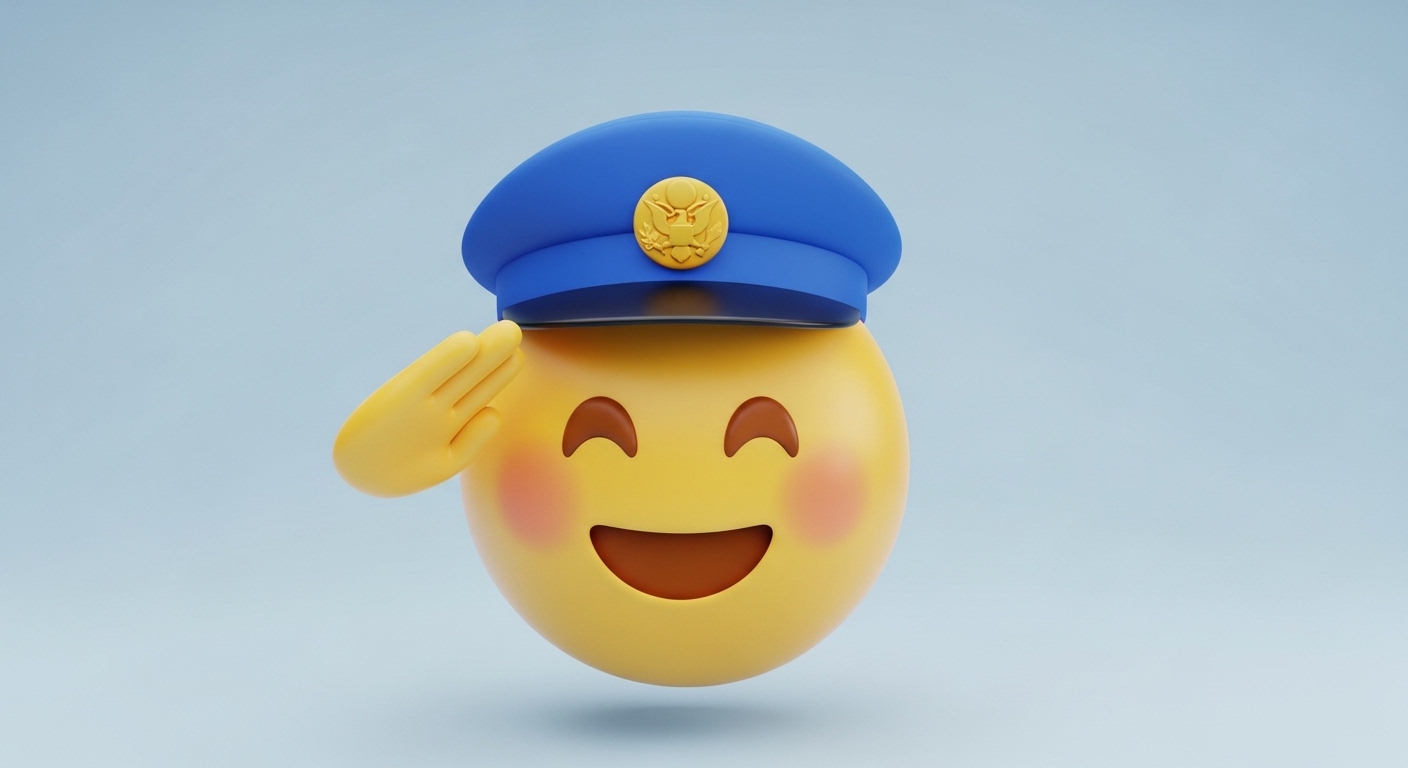
Introduction to the Salute Emoji
The salute emoji entered digital communication as a fun and expressive way to convey respect, acknowledgment, and playful agreement online. People across different cultures quickly adopted this symbol to add personality and nuance to their everyday text conversations. Furthermore, this small digital icon carries surprising depth, representing everything from military respect to sarcastic compliance in modern messaging. Whether you use it seriously or humorously, understanding this emoji helps you communicate more effectively with others.
What Does the Salute Emoji Actually Look Like
The Official Design Description
The saluting face emoji shows a yellow face holding one hand flat against its forehead in a classic salute gesture. Additionally, the expression typically appears neutral or slightly serious, reinforcing the gesture’s respectful and attentive undertones naturally. Moreover, Apple, Google, Samsung, and other platform designers each interpret the base design with subtle stylistic differences. Nevertheless, every version maintains the core saluting hand position that makes this emoji instantly recognizable worldwide.
Platform Design Variations
Apple renders the emoji with soft shading and a warm yellow tone that feels friendly and approachable to users. On the other hand, Google’s version uses a flatter design style consistent with their broader Material Design visual philosophy. Furthermore, Samsung adds slightly more expressive facial features that give their version a distinctly animated and energetic quality. Therefore, the same emoji can feel slightly different depending on which device your conversation partner uses daily.
The History and Origin of This Emoji
When Unicode Added the Saluting Face
Unicode officially added the saluting face to the emoji standard in 2022 as part of the Emoji 14.0 release update. Consequently, billions of smartphone users gained access to this expressive symbol almost simultaneously across major operating systems. Additionally, the relatively recent addition explains why older users sometimes encounter missing symbol boxes on unupdated devices. Moreover, Unicode’s decision to include it reflected growing demand for more expressive and gesture-based communication symbols.
Why Emoji Designers Created This Symbol
Emoji designers recognized that digital communication desperately needed more ways to express respect, compliance, and acknowledgment clearly. Therefore, the saluting gesture translated naturally into emoji form because almost every global culture understands its fundamental meaning instantly. Furthermore, the gesture’s military origins gave it an air of formality that works effectively across professional and casual conversations alike. As a result, this emoji filled a genuine gap in the existing emotional expression toolkit available to communicators.
Common Meanings Behind the Salute Emoji
Showing Respect and Honor
People use this emoji most straightforwardly to express genuine respect toward someone they admire or appreciate deeply. Additionally, users send it when acknowledging impressive achievements, brave decisions, or commendable actions that deserve recognition and praise. Moreover, the military connotation adds weight to the respect it conveys, making it feel more formal than a simple thumbs-up. Therefore, many users reserve it specifically for moments that genuinely deserve sincere acknowledgment and honor.
Expressing Sarcastic Compliance
Internet culture embraced this emoji enthusiastically as a tool for expressing exaggerated or sarcastic obedience to instructions. Consequently, someone replying to an unreasonable request with this emoji communicates reluctant compliance with a hint of eye-rolling attitude. Furthermore, the contrast between the emoji’s formal gesture and informal digital context creates comedic tension that many users enjoy exploiting. This sarcastic application actually represents one of the most popular ways younger users deploy this symbol today.
Acknowledging a Task or Order
Many people use this emoji to confirm they received instructions and plan to carry them out without further discussion. Therefore, it functions similarly to saying “yes sir,” “understood,” or “consider it done” in a visually engaging way. Additionally, workplaces with casual digital cultures often see employees using this emoji to confirm task assignments from managers. Moreover, it adds personality to otherwise bland acknowledgment messages that might feel cold or robotic without visual expression.
Sending Playful Military Vibes
Some users adopt this emoji purely for fun, roleplaying military scenarios or joking about following strict rules humorously. As a result, gaming communities frequently use it when teammates acknowledge a squad leader’s tactical instructions during online play. Furthermore, groups of friends use it when jokingly establishing hierarchies or playfully ordering each other around in group chats. This lighthearted application keeps the emoji feeling fun rather than overly serious or intimidating in casual contexts.
How Different Generations Use This Emoji
Gen Z and Millennial Usage Patterns
Younger generations overwhelmingly gravitate toward the sarcastic and ironic interpretations of this emoji in their daily communication. Consequently, they deploy it most frequently when someone gives them obvious advice, unnecessary instructions, or overly detailed directions. Additionally, Gen Z users often combine it with other emojis to create layered meanings that require cultural context to understand fully. Furthermore, meme culture regularly incorporates this saluting face into humor formats that spread rapidly across social media platforms.
Older Generations and Formal Interpretations
Older users more commonly interpret and use this emoji through its traditional lens of respect and sincere acknowledgment. Therefore, they tend to send it during genuinely appreciative moments rather than ironic or humorous conversational exchanges. Moreover, veterans and military families sometimes use it specifically to honor service members, fallen soldiers, or patriotic occasions meaningfully. As a result, the same emoji carries fundamentally different emotional weight depending entirely on the sender’s generational background.
Using the Salute Emoji in Different Contexts
Professional Communication Settings
Using this emoji in workplace messaging apps like Slack or Teams adds personality without crossing professional boundaries inappropriately. Nevertheless, context matters enormously, and sending it to a senior executive might feel flippant rather than respectfully playful. Furthermore, team members who share an established rapport can use it effectively to confirm tasks or acknowledge important announcements quickly. Additionally, remote work culture has normalized emoji use in professional settings more than traditional office environments ever did before.
Social Media and Content Creation
Content creators on TikTok, Instagram, and Twitter regularly use this emoji in captions, comments, and responses to followers. Therefore, it signals appreciation for kind comments, responds to challenges, or acknowledges criticism with graceful good humor and composure. Moreover, influencers use it to appear relatable and communicative while keeping their social media presence feeling fresh and engaging. Consequently, the emoji appears constantly in comment sections whenever creators respond to audience interactions or questions.
Gaming Communities Online
Online gaming communities treat this emoji as natural vocabulary within their communication styles across multiple platforms. Additionally, Discord servers dedicated to competitive games frequently see this emoji confirming callouts, strategies, and team leader decisions. Furthermore, streamers receive this emoji from viewers who want to acknowledge particularly impressive plays or important announcements during live broadcasts. As a result, the gaming world has fully integrated this symbol into its unique digital communication culture.
Personal Relationships and Friendships
Friends use this emoji to playfully mock each other, respond to ridiculous requests, or acknowledge completely obvious statements with exaggerated formality. Consequently, close friend groups develop their own specific contexts and running jokes around how they deploy this particular emoji. Moreover, romantic partners sometimes use it humorously when one person gives unnecessary reminders or overexplains familiar situations repeatedly. Therefore, personal relationships transform this emoji into a shared vocabulary item with meanings unique to each specific friendship dynamic.
Combining the Salute Emoji With Other Emojis
Popular Emoji Combinations
Pairing the saluting face with a flexing arm emoji creates a message that combines respect with confidence and strength simultaneously. Additionally, combining it with a laughing emoji immediately signals that the sender means their salute sarcastically rather than seriously. Furthermore, users add flag emojis alongside the salute to create patriotic tributes on national holidays and commemorative occasions. Moreover, pairing it with a thinking face creates an amusing combination suggesting reluctant contemplation of someone’s questionable suggestion or idea.
Creating Emoji Stories and Sequences
Creative users build entire micro-narratives using this emoji as a key character within longer emoji sequences and stories. Consequently, a sequence showing a boss emoji, followed by this saluting face, tells a complete story about workplace hierarchy humorously. Additionally, emoji artists incorporate the saluting face into elaborate arrangements that require no words to communicate their intended message. Therefore, mastering emoji combinations unlocks a surprisingly rich creative language that transcends traditional written communication entirely.
Cultural Significance of the Saluting Gesture
Military Origins of the Salute
The physical saluting gesture carries centuries of military tradition across armies, navies, and air forces worldwide throughout history. Furthermore, different military branches and nations developed distinct saluting styles that reflect their specific cultural and institutional values. Additionally, the gesture traditionally signals respect between ranks, acknowledges superior officers, and demonstrates disciplined professionalism within military organizations. Therefore, the emoji inherits this powerful cultural weight even when users deploy it in completely non-military casual conversations.
Global Cultural Interpretations
While Western cultures primarily associate saluting with military service, other cultures connect the gesture to respect and deference more broadly. Consequently, users from different backgrounds bring their own cultural understanding to how they interpret incoming salute emojis. Moreover, in some contexts the gesture connects to formal ceremonies, greeting customs, or expressions of gratitude beyond military associations. Therefore, senders should consider their audience’s cultural background when choosing this emoji for cross-cultural digital communication.
The Psychology Behind Emoji Use in Communication
Why People Choose Visual Symbols
Human brains process visual information dramatically faster than written text, which explains the universal appeal of emoji communication. Additionally, emojis restore emotional context that plain text strips away, preventing misunderstandings in tone-sensitive conversations. Furthermore, using expressive symbols like this saluting face makes digital communication feel warmer and more authentically human to recipients. Consequently, people who use emojis thoughtfully often build stronger digital relationships than those who communicate with plain text exclusively.
How Emojis Convey Tone Effectively
This particular emoji solves one of digital communication’s most persistent problems: conveying respectful acknowledgment without sounding robotic or dismissive. Therefore, a simple text reply of “okay” carries ambiguity, while the same message with this emoji immediately signals positive and engaged compliance. Moreover, tone carries enormous communicative weight, and emojis serve as digital substitutes for the vocal inflections we use in face-to-face conversations. As a result, skilled communicators who master emoji usage actually communicate more clearly than those who avoid them entirely.
Tips for Using the Salute Emoji Effectively
Reading the Room Before Sending
Always consider your relationship with the recipient before deploying any emoji, especially in ambiguous professional or formal situations. Additionally, evaluate whether the conversation tone supports playful emoji use or demands straightforward and serious written communication instead. Furthermore, observing how your conversation partner uses emojis gives you valuable clues about their communication preferences and comfort levels. Therefore, mirroring someone’s emoji usage style often produces the most natural and well-received conversational exchanges overall.
Avoiding Misinterpretation
Clarify your intention when using this emoji in new relationships where the recipient might not know your communication style yet. Consequently, adding a brief word or phrase alongside the emoji removes ambiguity and ensures your message lands exactly as intended. Moreover, avoid using it in contexts where the recipient might perceive sarcasm when you genuinely mean sincere respect and appreciation. Therefore, thoughtful emoji use requires the same situational awareness that thoughtful word choice demands in all human communication.
Fun Facts About the Salute Emoji
Usage Statistics and Trends
This emoji surged dramatically in popularity shortly after its 2022 release, quickly appearing in millions of daily messages globally. Furthermore, social media analytics platforms tracked sharp spikes in its usage whenever viral memes featuring the gesture circulated widely online. Additionally, the sarcastic compliance trend particularly drove adoption among younger users who embraced it as an ironic response tool enthusiastically. Consequently, despite its recent introduction, this emoji already ranks among the more recognizable and frequently used symbols available today.
Famous Moments in Salute Emoji Culture
Several viral social media moments specifically catapulted this emoji into mainstream digital consciousness among internet users everywhere. Moreover, popular content creators adopted it as part of their signature communication style, exposing massive audiences to its various uses. Additionally, meme formats built around this emoji spread across platforms, cementing its place in contemporary internet culture permanently. Therefore, these cultural moments accelerated adoption far faster than the emoji’s natural organic discovery rate would have achieved alone.
How to Type or Find the Salute Emoji
Finding It on Mobile Devices
iPhone users can find this emoji by opening the emoji keyboard and searching “salute” in the search bar directly. Additionally, Android users follow a similar process through Google’s Gboard or Samsung’s native keyboard emoji search functionality. Furthermore, frequently used emojis appear in the recently used section, making retrieval faster once you start using it regularly. Consequently, the more you use this symbol, the more accessible your device makes it through predictive and recent emoji suggestions.
Using It on Desktop Platforms
Windows users access emoji panels by pressing the Windows key plus the period key simultaneously on their keyboards. Moreover, Mac users open the emoji picker through Control plus Command plus Space on their Apple keyboards quickly. Additionally, most web browsers and messaging platforms now include built-in emoji pickers that support searching by keyword or description. Therefore, regardless of your device or operating system, inserting this emoji requires only a few seconds of simple navigation.
Conclusion
The salute emoji proves that small digital symbols can carry remarkable communicative power across diverse contexts and cultures globally. Throughout this guide, we explored its origins, meanings, generational interpretations, and practical applications in modern digital communication. Furthermore, understanding how to use this symbol effectively makes you a more expressive, nuanced, and engaging communicator in digital spaces. Ultimately, mastering even small tools like this emoji helps you connect more authentically with the people you communicate with every day.