
 By admin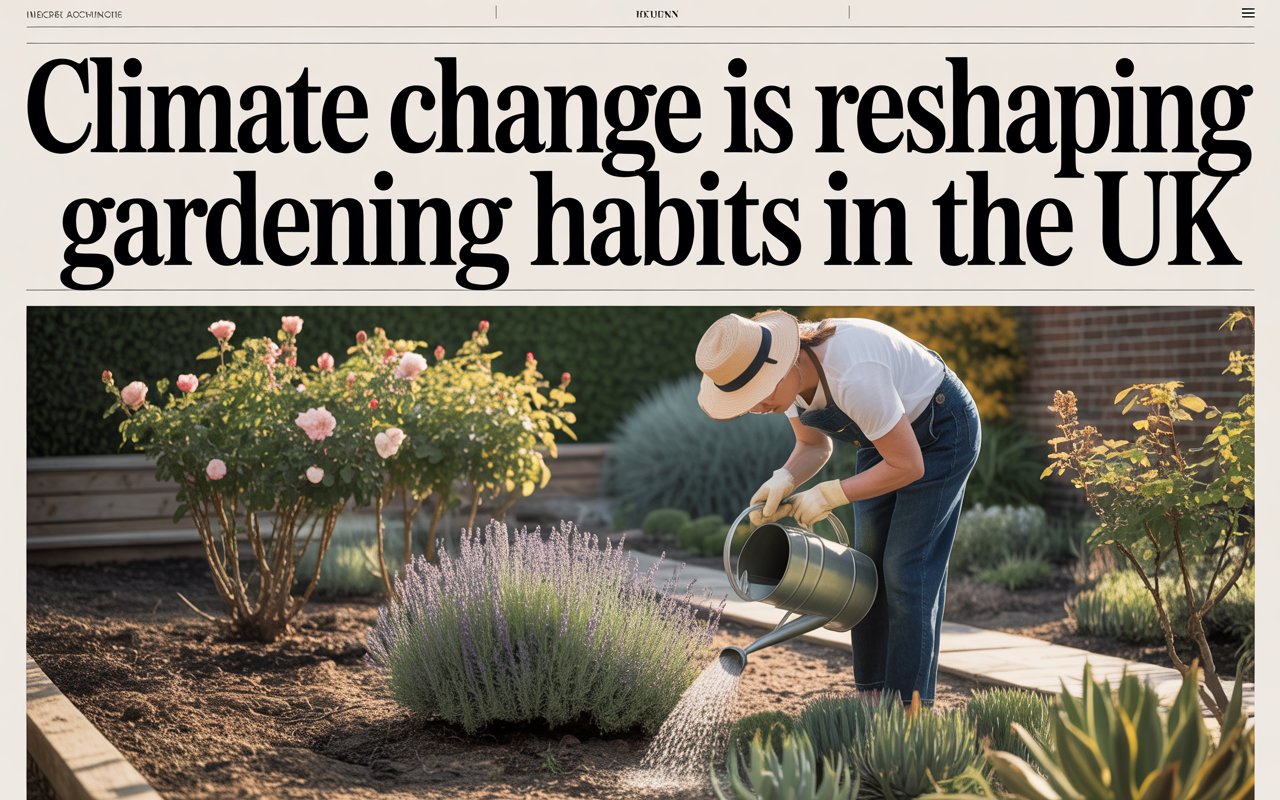
British gardeners are a stoic bunch. We’ll happily stand knee-deep in a cold drizzle, debating whether the soil is ‘workable’ while our tea goes cold and our boots double in weight. But even the most stubborn amongst us have had to admit: the weather has changed quite a bit.
So, if you’ve noticed that your gardening routine no longer works the way it used to, you’re not imagining things. Just keep reading to find out what’s actually happening and what you can do about it.
Warmer Winters
Not so long ago, you could set your watch by the British gardening year. You’d get the first frost before Christmas, snowdrops would show up in February, and you wouldn’t dream of planting out until that final frost cleared in May.
It was simple, predictable, and, dare we say it, a bit boring. Now? It’s a guessing game.
Winters have become milder in large parts of the UK, which sounds lovely until your tulip bulbs rot because the ground never got cold enough to trigger dormancy.
On the bright side, we now have a significantly longer growing season. If you’re gardening in the south, you’ve basically been gifted an extra month of usable time compared to 20 years ago.
Even the Royal Horticultural Society (RHS) has updated its guidance to reflect these changes. So, don’t rely blindly on the instructions that come on seed packets. Instead, check your local frost dates each season and adjust as you go.
Drought and Heatwaves
Remember the summer of 2022? Lawns turned to dust, reservoirs dropped, and half the country was googling ‘Is my grass actually dead?’ Sadly, that wasn’t just a one-off. It was more of a cinematic trailer for the future of summers in the UK.
Heatwaves are arriving more frequently, and traditional lawns are struggling to cope. Grass that turns brown under two weeks of sun isn’t exactly the manicured dream most homeowners had in mind.
So, what’s changed? Our plant choices mostly. More people are swapping in varieties that actually like these conditions: lavender, rosemary, salvias, and cistus.
The same goes for sedum and ornamental grasses, which handle dry spells far better than classic lawn setups ever could.
Sudden Storms
Intense downpours are becoming the new norm, and they’re exposing every flaw in our garden layouts. That lush lawn? It’s now a temporary lake. Those borders you painstakingly planted on a slope? They’re currently migrating toward your neighbour’s driveway.
Even raised beds can quickly turn into soggy graves for your plants if they don’t have enough drainage to handle a flash flood.
And then there’s wind. Storms are showing up at odd times now, catching plants before they’ve had enough time to establish.
So, what can you actually do about that? Start thinking about drainage as part of your outdoor space’s design, not an afterthought. For example, French drains and permeable paving have become common in many gardens.
You don’t have to opt for those fancy solutions, though. Even something as simple as moving a raised bed so it isn’t sitting directly in a natural runoff channel can save you a world of heartbreak.
Water Restrictions
Hosepipe bans used to feel like a dramatic overreaction. Now, they’re a regular part of summer in the UK, right up there with warm cans of lager and someone burning the sausages at a BBQ.
Several water companies have introduced restrictions during recent dry spells, and this is likely to become more routine as rainfall patterns change.
And while you may be tempted to give your parched hydrangeas a quick ‘under-the-radar’ blast with the hose, remember that it can land you a fine.
Luckily, you don’t need to overhaul everything. Water butts are the obvious starting point and have become so popular that Wilko and B&Q can barely keep them in stock during spring.
Just hook one up to a downpipe, and you’ll be surprised how much you can collect when it rains.
Want a smarter solution? Look into drip irrigation or soaker hoses. These systems deliver water directly to the roots, where it’s actually needed, instead of letting half of it evaporate off the leaves in the afternoon sun.
Pests and Diseases
This is the part that no one wants to hear, but we have to face it: the warmer weather isn’t just great for your prize-winning lavender. It’s basically a VIP invitation for every tiny freeloader in the area.
In the good, old days, biting British winters acted like a natural reset button, reliably killing off the stragglers so we could start fresh in spring.
Now, slugs, aphids, and vine weevils are waking up earlier, staying out for longer, and generally treating our borders like an all-you-can-eat buffet.
We’re also seeing some unwelcome tourists making themselves at home. Box tree caterpillar, barely known here a decade ago, has spread quickly thanks to milder winters.
So, if you feel like you’re dealing with unfamiliar bugs that seem to belong in tropical forests, you aren’t alone. Services that specialise in climate change gardening are reporting an uptick in clients dealing with pests they’ve never encountered before.
To keep those invaders at bay, keep a closer eye on things in early spring and pick disease-resistant varieties. You can also let nature do some of the work for you by planting marigolds and chives.
Wildlife-Friendly Gardens
Between the loss of meadows and hedgerows, bees and butterflies are basically making do with whatever they can find. And your garden is part of that network, whether you planned it that way or not.
To help wildlife, plant native wildflowers that support local pollinators or add a shrub that produces berries so birds have something to come back to in winter. While you’re at it, you can leave a log pile or a slightly messy corner for hedgehogs and beetles, too.
Still on the fence? Here’s a bonus: wildlife-friendly gardens also handle the weather better, since the specimens that tolerate dry spells are exactly what local insects are adapted to.
So, instead of chasing a perfect, short-lived look, you can end up with a polished space that helps the planet—sounds like a win-win, right?
Conclusion
Forget the grand, expensive master plans. Your next step is a small one: pick one thing from these ‘new rules’ and give it a go this season.
Maybe that means installing a water butt so your neighbours can stop side-eyeing you during hosepipe bans or swapping out a thirsty petunia for some sun-loving lavender. After all, if our plants can learn to be this resilient, we probably can, too.