
 By admin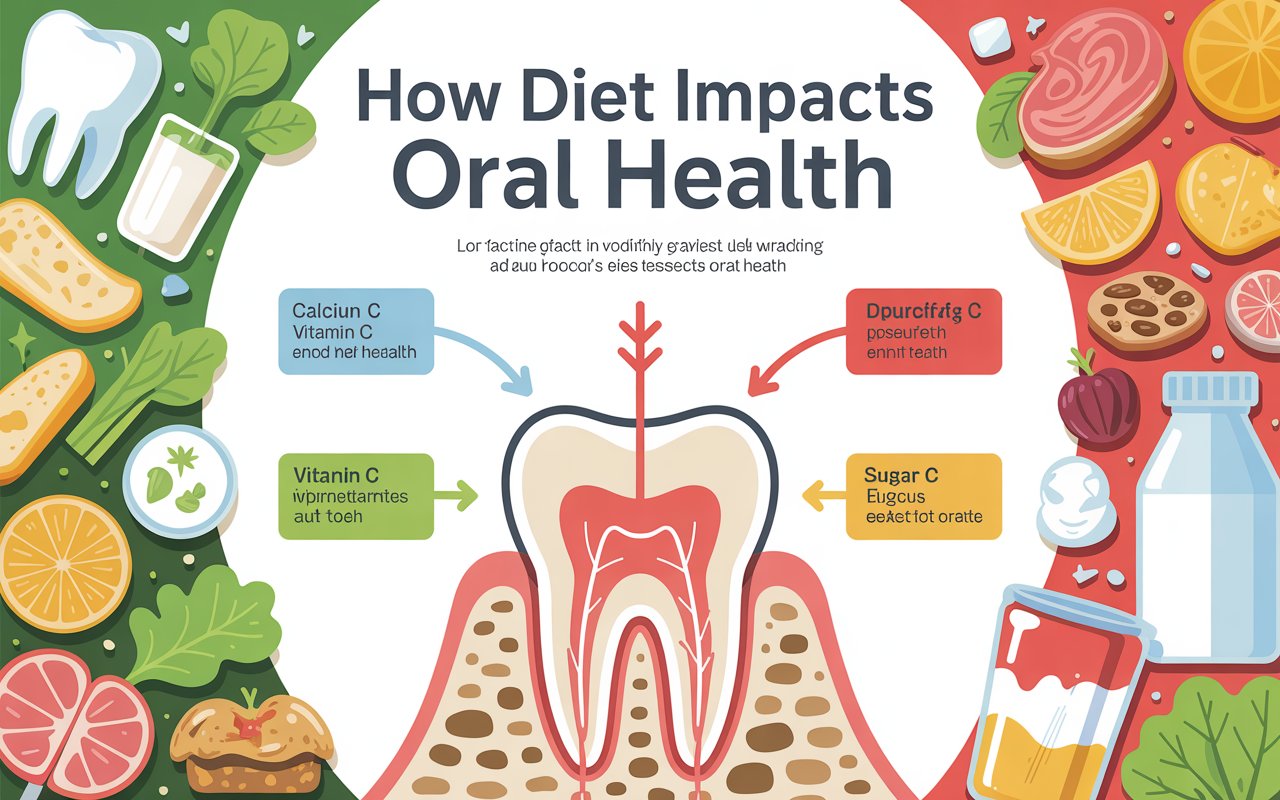
What you eat and drink every day plays a far greater role in your oral health than many people realise. Beyond brushing and flossing, your diet directly affects the strength of your teeth, the health of your gums, and your risk of decay, erosion, and gum disease. Understanding how different foods and drinks interact with your mouth can help you make smarter choices that support a healthier smile for life.
In the early stages of good oral care, professional guidance matters just as much as daily habits. Practices like Clover Dental often emphasise that prevention starts not only in the bathroom, but also in the kitchen. By aligning your diet with good oral hygiene, you give your teeth and gums the best possible foundation.
The Link Between Food and Tooth Decay
Tooth decay occurs when bacteria in the mouth feed on sugars and carbohydrates, producing acids that attack tooth enamel. Every time you consume sugary or starchy foods, this acid attack begins, weakening enamel and increasing the risk of cavities.
Common culprits include:
- Lollies, chocolates, and baked goods
- Soft drinks and sports drinks
- Sweetened teas and coffees
- Refined carbohydrates like white bread and chips
Frequent snacking is often more damaging than eating sugary foods occasionally, as it repeatedly exposes teeth to acid without giving saliva enough time to neutralise it.
Acidic Foods and Enamel Erosion
Even foods that seem healthy can contribute to enamel erosion if they are highly acidic. Citrus fruits, tomatoes, vinegar-based dressings, and wine can soften enamel, making teeth more vulnerable to wear and sensitivity.
This doesn’t mean you need to avoid these foods altogether. Instead:
- Consume acidic foods as part of meals rather than on their own
- Rinse your mouth with water afterwards
- Wait at least 30 minutes before brushing to avoid damaging softened enamel
Sugar, Saliva, and Dry Mouth
Saliva is one of your mouth’s strongest natural defences. It helps wash away food particles, neutralise acids, and provide minerals that strengthen enamel. Diets high in sugar and processed foods can disrupt saliva flow, increasing the risk of dry mouth. Drinks like alcohol and caffeinated beverages can also reduce saliva production. Staying well hydrated and limiting sugary drinks helps maintain a healthy balance in the mouth.
Foods That Support Strong Teeth and Gums
A tooth-friendly diet is rich in nutrients that strengthen enamel and support gum health. Some of the best foods for oral health include:
- Dairy products such as milk, cheese, and yoghurt, which are high in calcium and phosphate
- Leafy green vegetables that provide vitamins and minerals essential for gum health
- Crunchy fruits and vegetables like apples, carrots, and celery that stimulate saliva and help clean teeth naturally
- Lean proteins including fish, eggs, and legumes, which support tissue repair and immune function
Cheese, in particular, is known to help neutralise acids in the mouth, making it a smart choice after meals.
The Hidden Impact of Sugary Drinks
Sugary drinks are one of the biggest contributors to poor oral health. Soft drinks, fruit juices, flavoured waters, and energy drinks often combine high sugar content with acidity, creating a double threat to enamel. Even “no added sugar” options can be acidic enough to cause erosion. Water remains the best choice for both oral and overall health, especially between meals.
Timing Matters as Much as Choice
It’s not just what you eat, but when you eat it. Grazing throughout the day keeps your teeth under constant acid attack. Structured meals, followed by water, allow saliva to do its job and help protect enamel. If you do snack, choosing tooth-friendly options like cheese, nuts, or vegetables can significantly reduce the impact on your teeth.
Diet as Part of a Complete Oral Care Routine
A balanced diet works best alongside regular brushing, flossing, and professional dental care. No amount of good nutrition can fully offset poor oral hygiene, but the right food choices can greatly reduce your risk of dental problems over time.
By being mindful of how diet impacts oral health, you can make everyday decisions that protect your teeth and gums, support long-term wellbeing, and keep your smile strong and healthy at every stage of life.