
 By Kathryn Roqueeto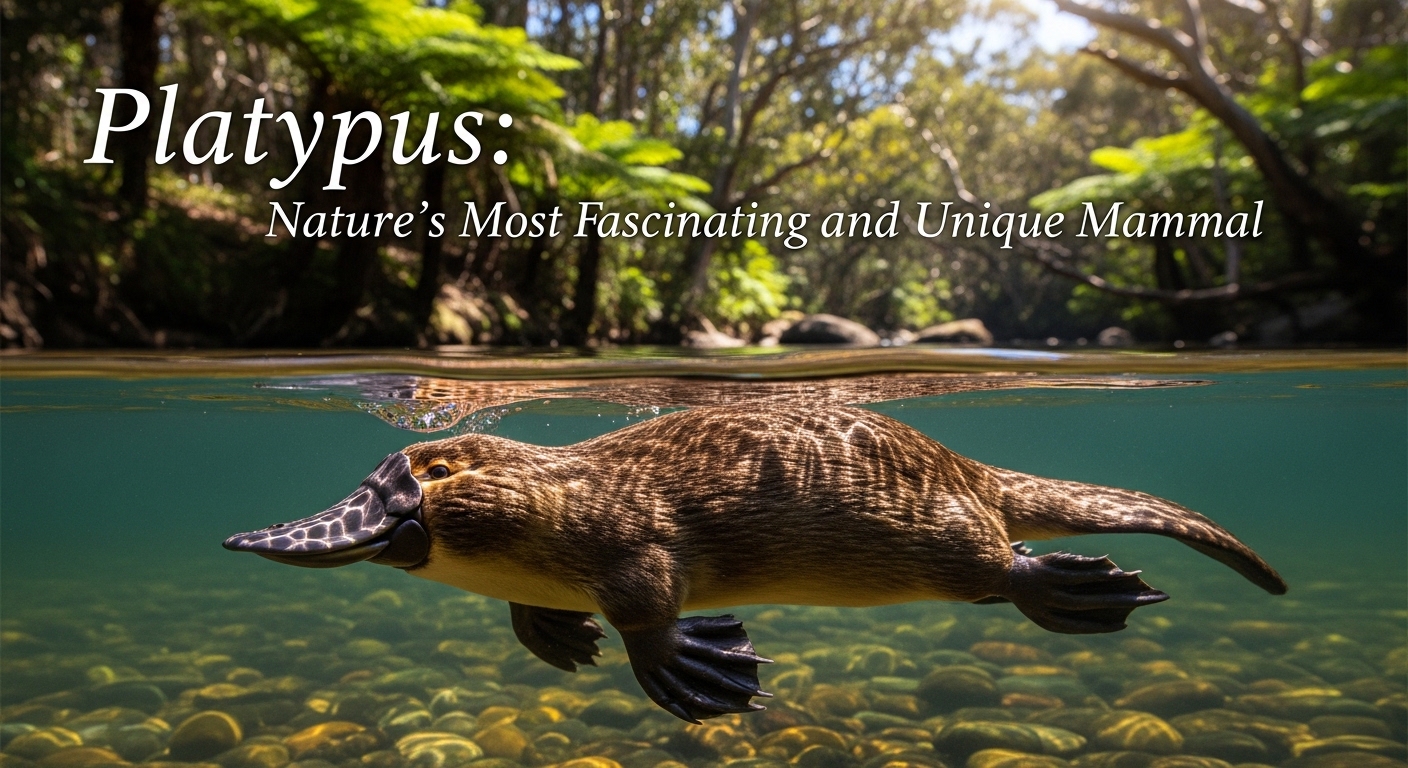
Introduction to the Platypus
The duck-billed platypus stands as one of nature’s most genuinely bizarre and captivating creatures alive today. Furthermore, this remarkable animal combines features from multiple species in ways that continue baffling scientists worldwide. Many researchers consider this semi-aquatic mammal a living example of evolutionary innovation at its absolute finest. Additionally, the platypus challenges everything people think they know about mammalian biology and classification.
What Exactly Is a Platypus?
Scientific Classification and Background
Scientists classify the platypus under the order Monotremata, making it one of very few egg-laying mammals. Therefore, it shares this rare classification with only four echidna species found across Australia and New Guinea. Moreover, its scientific name, Ornithorhynchus anatinus, translates roughly to “duck-like bird snout,” which perfectly describes its appearance. Consequently, this creature occupies a completely unique branch on the evolutionary tree of life.
Physical Appearance and Distinctive Traits
The platypus sports a broad, flat bill resembling a duck’s, attached to a dense, beaver-like body. Furthermore, it carries a wide, flat tail that stores fat reserves the animal uses during food-scarce periods. Additionally, its four short legs end in webbed feet that make it an exceptionally strong and agile swimmer. Therefore, every physical feature this animal carries serves a specific and important biological purpose effectively.
Where Does the Platypus Live?
Natural Habitat and Geographic Range
The platypus calls eastern Australia and Tasmania its permanent home, thriving in freshwater environments throughout the region. Furthermore, it favors clean rivers, streams, and lakes where it finds abundant food sources easily. Moreover, the animal builds burrows along riverbanks, using these sheltered spaces for resting and breeding purposes. Consequently, healthy waterways with stable banks represent the most critical habitat component for platypus survival.
Habitat Preferences in Detail
The platypus actively seeks waterways surrounded by dense vegetation that provides cover from predators. Additionally, it prefers areas with soft, sandy banks where it can excavate its characteristic long, winding burrows. Furthermore, water temperature matters greatly, as the platypus thrives in cool, well-oxygenated streams with abundant invertebrate prey. Therefore, environmental degradation directly threatens platypus populations by destroying the precise conditions this species requires.
The Biology of the Platypus
Egg-Laying: A Mammal That Breaks the Rules
The platypus lays eggs rather than giving birth to live young, which completely defied early scientific expectations. Furthermore, females typically lay one to three leathery eggs per breeding season inside specially constructed nesting burrows. Moreover, the mother curls around her eggs to incubate them for approximately ten days before they hatch. Consequently, this reproductive strategy makes the platypus one of the most scientifically significant mammals on Earth.
Electroreception: A Sixth Sense
The platypus uses electroreception through specialized cells in its bill to detect prey underwater with precision. Furthermore, this extraordinary ability allows it to hunt successfully even with its eyes and ears completely closed. Moreover, the bill detects tiny electrical signals that prey animals generate through muscle movements underwater. Therefore, this sophisticated sensory system makes the platypus one of the most effective aquatic hunters in Australia.
Venom: The Surprising Defense Mechanism
Male platypuses carry venomous spurs on their hind legs, making them one of few venomous mammals. Furthermore, the venom causes intense pain in humans and can incapacitate smaller animals during confrontations. Moreover, researchers believe males primarily use these spurs during competition with rival males for mating rights. Consequently, the venom gland becomes more active during breeding season, reflecting its role in reproductive competition.
Platypus Feeding Habits and Diet
What the Platypus Eats
The platypus feeds primarily on aquatic invertebrates, including worms, insect larvae, freshwater shrimp, and crayfish. Furthermore, it forages actively along stream and river bottoms, using its sensitive bill to detect food. Moreover, a single platypus consumes roughly its own body weight in food during every twenty-four hours. Therefore, access to invertebrate-rich waterways directly determines whether a platypus population thrives or declines.
Hunting Techniques Underwater
The platypus dives beneath the water surface and uses its electroreceptive bill to locate hidden prey items. Furthermore, it stores captured food in cheek pouches and returns to the surface to consume everything. Additionally, it uses hardened grinding pads instead of teeth to process tougher food items efficiently. Consequently, this highly specialized feeding strategy represents millions of years of evolutionary refinement working perfectly.
Platypus Reproduction and Life Cycle
Mating Season and Courtship
The platypus breeds between June and October, with males actively pursuing females through elaborate underwater chasing. Furthermore, males grab the female’s tail during courtship, and the pair swim together in circles repeatedly. Moreover, the male contributes nothing to raising offspring after mating, leaving all parental duties to the female. Therefore, the female platypus bears complete responsibility for egg incubation and raising her young alone.
Raising Platypus Young
After hatching, platypus young cling to their mother and feed on milk that seeps through specialized skin patches. Furthermore, the mother lacks nipples, so milk oozes directly through pores in her skin for the young. Moreover, the young remain in the burrow for three to four months before they venture outside independently. Consequently, this unusual nursing method further reinforces the platypus’s status as a biologically extraordinary mammal.
Lifespan and Development
The platypus typically lives between ten and seventeen years in the wild under favorable environmental conditions. Furthermore, young platypuses reach sexual maturity at around two years of age in their natural habitat. Moreover, captive platypuses sometimes live longer due to consistent food supply and absence of natural predators. Therefore, habitat quality plays the most significant role in determining how long wild populations survive.
Threats Facing the Platypus Today
Habitat Destruction and Water Pollution
Human activity threatens platypus populations through habitat destruction, water pollution, and significant river modification. Furthermore, agricultural runoff introduces chemicals and sediment into waterways, reducing the invertebrate populations platypuses depend upon. Moreover, dam construction and water extraction alter river flows in ways that devastate platypus habitat permanently. Consequently, addressing water quality issues represents the single most important step toward protecting this iconic species.
Climate Change Impacts
Climate change increasingly threatens platypus survival by reducing rainfall and intensifying drought conditions across Australia. Furthermore, lower water levels concentrate animals in smaller areas, increasing competition and disease transmission risks. Moreover, rising water temperatures reduce oxygen levels and harm the aquatic invertebrates that platypuses rely upon. Therefore, scientists consider climate change one of the most serious long-term threats facing platypus populations today.
Introduced Predators and Other Threats
Introduced predators like foxes and feral cats prey on platypuses when they emerge from the water. Furthermore, fishing nets and yabby traps accidentally capture and drown platypuses in many Australian waterways regularly. Moreover, land clearing along riverbanks removes the vegetation and stable soil platypuses need for burrowing. Consequently, multiple simultaneous threats make platypus conservation a genuinely complex and urgent challenge for Australian wildlife managers.
Conservation Efforts for the Platypus
Government and Scientific Initiatives
Australian authorities actively fund research programs that monitor platypus populations across the continent’s river systems. Furthermore, scientists use environmental DNA sampling to detect platypus presence in waterways without disturbing the animals. Moreover, conservation groups advocate strongly for stronger water quality regulations that directly benefit platypus habitat. Therefore, collaborative efforts between government, scientists, and communities give platypus conservation the best chance of succeeding.
What Individuals Can Do
Everyday citizens can help protect platypuses by supporting clean waterway initiatives in their local communities. Furthermore, responsible land management near rivers prevents erosion and maintains the bank integrity platypuses require. Moreover, removing yabby traps and modified fishing gear from waterways eliminates a significant and preventable mortality source. Consequently, individual actions collectively create meaningful positive change for platypus populations across Australia.
Fascinating Platypus Facts You Probably Never Knew
Surprising Scientific Discoveries
Scientists discovered that platypus fur glows a blue-green color under ultraviolet light, surprising the entire research community. Furthermore, the platypus genome contains elements resembling both reptile and mammal genetics, reflecting its ancient evolutionary origins. Moreover, researchers found that platypuses dream during REM sleep, displaying the same rapid eye movements humans experience. Therefore, every new study reveals additional layers of complexity hiding within this already extraordinary animal.
Cultural Significance in Australia
The platypus holds deep cultural significance for many Indigenous Australian communities throughout its native range. Furthermore, it appears on the Australian twenty-cent coin, cementing its status as a national symbol of pride. Moreover, the platypus served as the mascot for the 2000 Sydney Olympics alongside the echidna and kookaburra. Consequently, this remarkable animal occupies a cherished place in both scientific literature and Australian cultural identity.
Conclusion
The platypus remains one of the most scientifically important and culturally cherished animals on our entire planet. Furthermore, its unique combination of mammalian, reptilian, and bird-like traits makes it truly irreplaceable in the natural world. Moreover, growing threats from habitat loss and climate change demand urgent and sustained conservation attention from everyone. Therefore, understanding and appreciating this extraordinary creature represents the first vital step toward ensuring its long-term survival.